
Discover the Top 5 Industrial Plants Examples Transforming Modern Manufacturing
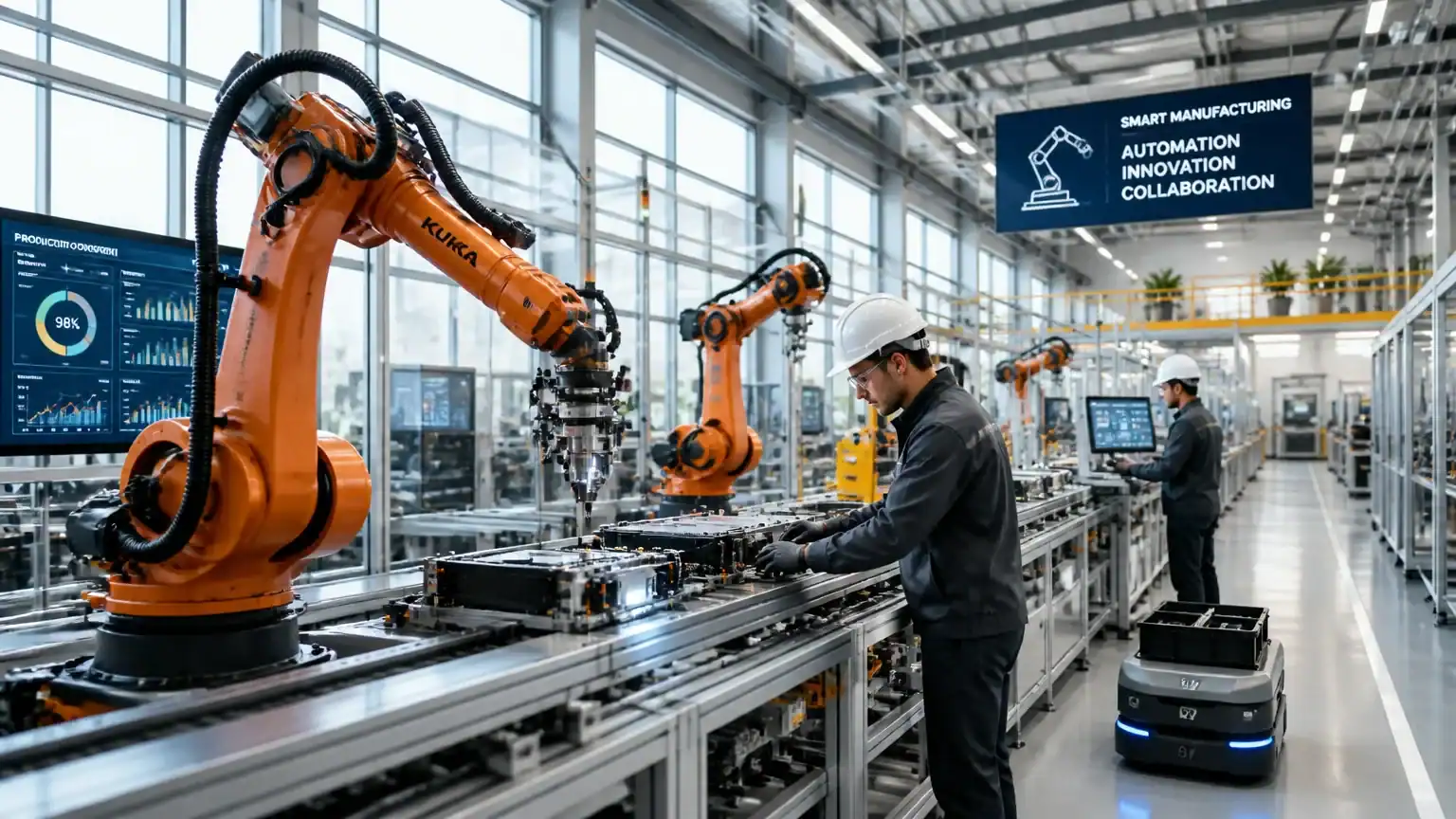
In the fast-paced world of manufacturing, industrial plants examples are leading the charge in transforming how products are made and delivered. These cutting-edge facilities leverage advanced technologies like AI and automation to streamline operations and enhance productivity. Imagine robots working alongside humans, optimizing tasks in real-time—this is not science fiction; it’s the new reality in modern manufacturing.
Efficiency and innovation are no longer optional; they’re essential for survival in a competitive market. Companies that embrace these advancements can reduce costs, improve quality, and respond faster to consumer demands. With the right tools and strategies, industrial plants can turn challenges into opportunities, paving the way for a sustainable future.
In this article, we’ll explore five remarkable industrial plants that exemplify this revolution. Each one showcases unique applications of technology that not only elevate their operations but also inspire the entire manufacturing sector. Get ready to dive into a world where innovation reigns supreme and discover how these plants are shaping the future of industry!
1. Tesla Gigafactory: Pioneering Sustainable Energy Production
When you think of industrial plants examples that are changing the game, Tesla’s Gigafactory stands out like a shiny new electric vehicle in a sea of gas guzzlers. Located in Nevada, this massive facility is not just about size; it’s about smart, sustainable manufacturing.
At the heart of the Gigafactory’s operation is a commitment to renewable energy. Tesla has integrated solar panels and energy storage systems to power the plant, striving to create a net-zero energy facility. This means that the energy used in production comes from renewable sources, significantly reducing the carbon footprint associated with electric vehicle manufacturing.
But it’s not only about being green. Automation plays a crucial role in the assembly lines at the Gigafactory. Robotics and AI streamline processes, ensuring that vehicles and batteries are produced with precision and speed. This technological wizardry allows Tesla to scale production rapidly, meeting the soaring demand for electric vehicles. Imagine robots working alongside humans, like a well-choreographed dance that boosts efficiency while minimizing errors.
The impact of the Gigafactory on the electric vehicle market is monumental. By ramping up production of batteries, Tesla is not just fueling its cars; it’s fueling a movement towards sustainable transportation. The more batteries they produce, the more affordable electric vehicles become, paving the way for widespread adoption.
In essence, Tesla’s Gigafactory serves as a beacon of innovation in the manufacturing landscape. It combines advanced technology with eco-friendly practices, making it a prime example of how industrial plants can lead the charge toward a sustainable future.
2. Amazon Robotics: Enhanced Warehouse Operations
Amazon has revolutionized warehouse operations through its innovative use of robotics and automation. Imagine a bustling hive where robots and humans work seamlessly together to fulfill orders at lightning speed. This integration of technology not only enhances efficiency but also transforms how inventory is managed.
At the heart of Amazon’s operations is artificial intelligence (AI), which plays a crucial role in inventory tracking and logistics. AI algorithms analyze data in real-time, ensuring that products are stocked efficiently and orders are fulfilled with precision. This smart system reduces the chances of overstocking or running out of popular items, making the entire operation smoother and more responsive.
The efficiency gains from robotics are staggering. With automated guided vehicles (AGVs) zipping around the warehouse floor, the speed of order fulfillment has skyrocketed. These robots can navigate complex layouts, transport goods, and even assist in packaging, allowing human workers to focus on more intricate tasks. Picture a team of robots whizzing past, each one working like a well-oiled machine to keep the flow of goods constant.
This robotic revolution significantly impacts supply chain management as well. By streamlining processes, Amazon can respond to customer demands faster than ever. It also reduces labor costs and minimizes human error, offering a competitive edge in a market where speed is king. The result? A more agile and responsive supply chain that can adapt to changing consumer preferences.
As we explore other industrial plants examples, Amazon Robotics stands out as a shining model of how automation and smart technology can redefine manufacturing and logistics. By integrating AI and robotics, Amazon not only sets new standards for efficiency but also highlights key features and benefits of innovative platforms that can inspire other industries to follow suit.
3. Siemens Amberg Electronics Plant: Smart Manufacturing
Nestled in the heart of Bavaria, Siemens’ Amberg Electronics Plant stands as a prime example of smart manufacturing. This facility uses the Internet of Things (IoT) to weave a digital tapestry that enhances production efficiency and product quality. Imagine a factory where machines talk to each other, sharing data in real-time. That’s precisely what happens at Amberg.
At this plant, IoT technology enables real-time monitoring of equipment and processes. Sensors collect data on everything from machine performance to environmental conditions. This constant flow of information allows for immediate adjustments, optimizing operations on the fly. Think of it as having a personal trainer for each machine, pushing them to perform at their best.
Data-driven decision-making is at the core of Amberg’s success. With comprehensive data analytics, managers can identify trends and potential issues before they become costly problems. For instance, if a particular machine shows signs of wear, the system alerts operators to take action. This proactive approach not only minimizes downtime but also enhances overall productivity.
Moreover, the emphasis on quality control is evident throughout the facility. By integrating IoT, Siemens ensures that every product meets the highest standards. Real-time checks during the manufacturing process catch defects early, reducing waste and saving resources. This focus on quality not only benefits Siemens but also sets a benchmark for other industrial plants.
Siemens’ Amberg Electronics Plant showcases how smart manufacturing can revolutionize the industry. By leveraging IoT, the plant not only enhances efficiency but also fosters a culture of continuous improvement. It’s a shining example of how technology can transform traditional manufacturing into a sleek, data-driven powerhouse.
4. BMW Leipzig Factory: Mass Customization and Efficiency
The BMW Leipzig factory stands out as a remarkable example of how industrial plants can embrace mass customization without sacrificing efficiency. This facility seamlessly blends customer preferences with high-tech production, creating vehicles tailored to individual tastes while maintaining streamlined operations.
At the heart of this innovation is BMW’s use of modular production systems. This approach allows for flexible assembly lines where different models can be produced side by side. Picture a buffet where you can customize your plate—each vehicle is assembled with specific options chosen by the customer, from color to features, all while keeping production speed at a premium.
Customer-centric manufacturing processes are another cornerstone of the Leipzig factory. Here, the emphasis is on understanding what drivers desire. BMW collects data on customer preferences and trends, which informs the design and production choices. This strategy not only enhances customer satisfaction but also helps the company stay ahead of market demands.
Yet, what truly sets the Leipzig facility apart is its ability to balance customization with operational efficiency. The plant employs advanced technologies, such as robotics and AI, to streamline workflows. These tools help minimize waste and reduce production times, ensuring that even with a multitude of options, the factory remains highly efficient.
Moreover, the factory’s layout is designed to facilitate quick adjustments. If a sudden spike in demand for a specific model occurs, the modular system allows for rapid reconfiguration. This agility makes the Leipzig factory a model for other industrial plants aiming to incorporate customization while keeping efficiency in check.
In essence, the BMW Leipzig factory is a shining example of how embracing innovation can transform manufacturing. By prioritizing customization and efficiency, it sets a benchmark for the automotive industry and beyond.
5. Foxconn Zhengzhou: Scale and Innovation
The Foxconn plant in Zhengzhou, often dubbed the “iPhone City,” is a titan in smartphone manufacturing. With the capacity to produce millions of devices each month, this facility exemplifies high-volume production processes that few can rival. Imagine a factory floor buzzing with activity, where thousands of workers and machines harmoniously collaborate to keep pace with global demand.
What sets Foxconn apart is its innovative integration of artificial intelligence (AI) for workforce management. By utilizing AI-driven systems, the plant optimizes scheduling and resource allocation, ensuring that every cog in the machine runs smoothly. This means fewer delays, reduced waste, and ultimately, a more efficient production line. Picture a conductor leading an orchestra; the AI ensures every instrument plays in perfect harmony, creating a symphony of productivity.
However, it’s not all smooth sailing at Foxconn. The sheer scale of operations brings its own set of challenges, including labor relations and the need for constant technological upgrades. As the demand for smartphones continues to evolve, so too must Foxconn adapt to maintain its competitive edge. This includes investing in automation and enhancing worker training programs, which can be a balancing act between human and machine labor.
Looking ahead, the future of the Foxconn plant hinges on its ability to innovate while addressing these challenges. As the industry shifts towards sustainability and smarter manufacturing practices, Foxconn is at a crossroads. Will it continue to lead the charge in smartphone production, or will it face obstacles that could impede its growth? Only time will tell, but one thing is certain: Foxconn Zhengzhou remains a pivotal player in the landscape of industrial plants today.
The Future of Manufacturing: Embracing Innovation and Efficiency
The industrial plants we’ve explored demonstrate the dynamic evolution of manufacturing. Each example highlights the crucial role technology plays in enhancing efficiency and sustainability. From Tesla’s eco-friendly practices to Amazon’s smart automation, these plants inspire others to adapt and innovate.
As the manufacturing landscape continually shifts, businesses must embrace these technological changes. By doing so, they not only improve their operations but also contribute to a more sustainable future.
For those looking to stay ahead, consider delving into AI solutions. They offer transformative potential, as discussed in our guide on Adapting content to current trends. The future is bright for those ready to embrace this wave of innovation!
Related Articles

Exploring the Types of SaaS: A Comprehensive Guide You Need
Software as a Service (SaaS) has become a game-changer in many industries, transforming how businesses operate. With the shift towards cloud-based solutions,…
Read more
Exploring the Types of System Software and Their Key Functions
System software serves as the unsung hero of your computer, acting as a bridge between hardware and application software. It’s the magic glue that ensures ev…
Read more
Unlock Efficiency: Top ERP Systems for Manufacturing Success
In the bustling world of manufacturing, finding the right tools to streamline operations is crucial. Enter the top ERP systems for manufacturing—your secret …
Read more