
Effects of Advertising on Consumer Behavior Will Surprise You
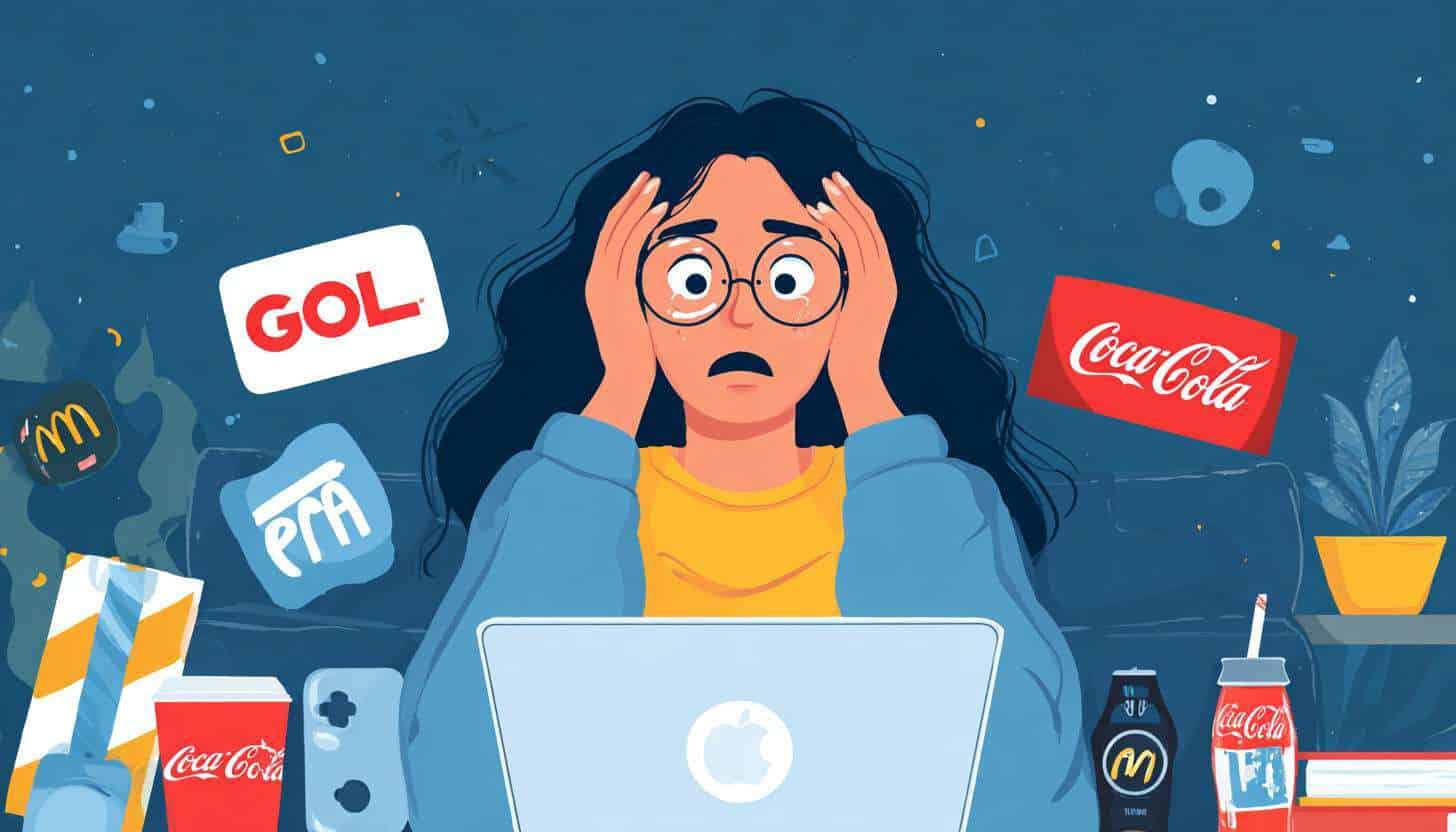
Advertising is one of the most powerful forces shaping how people think, feel, and spend. Every day, consumers are exposed to hundreds of messages designed to influence their decisions. Understanding the effects of advertising on consumer behavior is not just an academic exercise ; it is a strategic necessity for any brand that wants to grow.
How Advertising Shapes Consumer Perception
Perception is the foundation of every purchase decision a consumer makes. Before a customer ever walks into a store or clicks “buy,” advertising has already framed how they see a product. It assigns meaning, value, and desirability to something that may have otherwise gone unnoticed.
Advertising works by repeatedly associating a product with specific emotions, lifestyles, or outcomes. Over time, these associations become deeply embedded in the consumer’s memory. This is why brands invest heavily in consistent messaging across all channels and platforms.
Research has shown that consumers who are familiar with a brand are significantly more likely to choose it over an unknown competitor. Familiarity reduces perceived risk, which is a major barrier to purchase. This is the foundation of brand recall and its direct impact on buying behavior.
The Psychological Mechanisms Behind Advertising Influence
Advertising does not just inform; it persuades by tapping into core psychological principles. Concepts such as social proof, scarcity, authority, and reciprocity are commonly embedded in advertising messages. These triggers bypass logical reasoning and speak directly to emotional and instinctive responses.
One of the most studied effects is the mere exposure effect, where people develop a preference for things simply because they have encountered them before. This is why repetition in advertising is a deliberate strategy and not an accident. The more a consumer sees a brand, the more comfortable and favorable their attitude toward it becomes.
Conducting a thorough consumer needs analysis is an essential step before launching any advertising campaign. Understanding what motivates, frustrates, or delights your target audience allows you to craft messages that resonate on a deeper level. Advertising that speaks to real needs is exponentially more effective than generic promotional content.
Advertising and the Decision-Making Process
The consumer decision-making process follows a recognizable path: problem recognition, information search, evaluation of alternatives, purchase decision, and post-purchase behavior. Advertising has the power to intervene at every single stage of this journey. Brands that understand this process can design campaigns that guide consumers smoothly toward a favorable outcome.
At the awareness stage, advertising introduces a product and plants the first seed of consideration. At the evaluation stage, it differentiates one option from another. Exploring product differentiation methods can help brands articulate what makes them uniquely valuable in a crowded market.
Post-purchase advertising also plays a critical role in reducing buyer’s remorse and reinforcing loyalty. When consumers feel validated in their choice, they are more likely to return and recommend the brand to others. This is how advertising extends its influence far beyond the initial transaction.
The Role of Emotional Advertising in Consumer Behavior
Emotions are the primary drivers of consumer behavior, and advertising that evokes strong feelings consistently outperforms purely rational messaging. Whether the emotion is joy, nostalgia, fear, or aspiration, it creates a memorable connection between the consumer and the brand. This emotional bond is what sustains long-term customer relationships.
Brands that lead with storytelling and emotional resonance tend to generate stronger loyalty and word-of-mouth referrals. The importance of creativity in marketing cannot be overstated when it comes to emotional advertising. A creative, emotionally compelling campaign can outlast any promotional discount in the mind of a consumer.
However, emotional advertising must still be grounded in truth and relevance. Consumers today are highly perceptive and quick to reject messaging that feels manipulative or inauthentic. Brands that strike the right balance between emotion and honesty build the deepest and most durable consumer trust.
Key Effects of Advertising on Consumer Behavior
To summarize the primary ways advertising influences what consumers think, feel, and do, consider the following documented behavioral effects:
- Brand Awareness and Recall: Consistent advertising increases the likelihood that consumers will remember and consider a brand when making a purchase decision.
- Attitude Formation: Repeated positive exposure shapes favorable attitudes toward a product, even before a consumer has tried it.
- Purchase Intent: Well-targeted advertising directly increases the probability that a consumer will plan to buy a product in the near future.
- Brand Loyalty: Ongoing advertising reinforces the value of staying with a familiar brand rather than switching to a competitor.
- Social Influence: Advertising normalizes behaviors and products by depicting them as widely accepted or aspirational, encouraging consumers to follow suit.
- Price Perception: Premium advertising can make consumers willing to pay more, while discount-heavy messaging can devalue a brand over time.
Audience Segmentation and Advertising Effectiveness
Not all advertising works equally well for all consumers. The effectiveness of any campaign depends heavily on how well it is aligned with the values, habits, and preferences of the intended audience. This is why audience segmentation is one of the most critical disciplines in modern marketing.
When advertisers segment their audience properly, they can deliver personalized messages that feel relevant rather than intrusive. A message crafted for a young urban professional will look and sound completely different from one designed for a suburban parent. Both may be advertising the same product, but the framing, tone, and visuals must speak directly to the life experience of each segment.
The rise of digital advertising has made segmentation more precise and more accessible than ever before. Data from browsing behavior, purchase history, and social media activity can all be used to deliver the right message to the right person at the right time. This level of precision dramatically increases the return on advertising investment.
Consistency as a Multiplier of Advertising Impact
A single advertisement rarely changes behavior on its own. It is the accumulation of consistent, coherent messaging over time that builds the mental structures needed to influence consumer decisions. Understanding the importance of consistency in marketing is fundamental to running campaigns that deliver lasting results.
Inconsistent advertising confuses consumers and undermines brand trust. When a brand’s visual identity, tone of voice, and core message remain stable across channels, consumers develop a clear and reliable mental image of what the brand represents. This clarity makes it easier for consumers to choose that brand when the moment of purchase arrives.
Consistency also compounds over time. Each new advertisement builds on the memory and associations created by previous ones, making each successive campaign more effective than the last. This is the compounding power of long-term brand advertising versus short-term tactical promotions.
Advertising’s Influence on Consumer Trust and Credibility
Trust is one of the most valuable currencies a brand can earn, and advertising plays a direct role in building or eroding it. Consumers tend to trust brands that communicate transparently, deliver on their promises, and maintain a stable and credible presence in the market. Advertising that overpromises or misleads may generate short-term attention but causes long-term damage to brand equity.
Credibility in advertising comes from a combination of consistency, social proof, and substantiated claims. Featuring real customer testimonials, third-party endorsements, or verifiable data points makes advertising significantly more persuasive. When consumers see that others have had positive experiences with a brand, the barrier to their own purchase decision is substantially lowered.
The most credible brands are those that align their advertising with their actual product experience. When the reality of a product matches or exceeds what was advertised, consumers feel respected and validated. This alignment between promise and delivery is the single most reliable path to building a loyal customer base through advertising.
The Digital Era and Evolving Consumer Responses
Digital advertising has fundamentally transformed the relationship between brands and consumers. Unlike traditional media, digital channels allow for two-way interaction, immediate feedback, and highly personalized targeting. Consumers are no longer passive recipients of advertising messages; they are active participants who can engage, share, ignore, or reject what they see.
This shift demands that advertisers evolve their strategies to prioritize relevance, transparency, and value. Leveraging AI-assisted writing tools can help marketers produce high-quality, audience-specific content at scale without sacrificing authenticity. Technology is now a critical partner in crafting advertising that connects meaningfully with modern consumers.
For brands looking to explore a broader ecosystem of tools that can enhance their advertising and content strategies, resources like AIVolut offer curated directories of AI-powered solutions. Having the right tools in your marketing stack can significantly improve both the efficiency and impact of your advertising efforts. The brands that embrace intelligent technology will be best positioned to influence consumer behavior in the years ahead.
Ethical Considerations in Advertising and Consumer Behavior
As advertising becomes more targeted and data-driven, the ethical dimensions of its influence deserve serious attention. Consumers are increasingly aware of how their data is collected and used to shape the messages they receive. Brands that handle this responsibility with transparency and respect will earn a meaningful competitive advantage.
Ethical advertising respects the autonomy of the consumer rather than attempting to manipulate through deception or psychological exploitation. This means being honest about product capabilities, avoiding harmful stereotypes, and ensuring that vulnerable populations are never targeted in ways that could cause harm. Ethical boundaries in advertising are not just a legal consideration but a reflection of a brand’s values.
Brands that demonstrate a genuine commitment to ethical advertising tend to attract consumers who share those values. In an era where brand reputation is shaped publicly and rapidly through social media, the cost of unethical advertising practices can be swift and severe. Responsible advertising is therefore both the right approach and the smart business strategy.
In Summary
The effects of advertising on consumer behavior are profound, measurable, and enduring. From shaping initial perceptions to driving repeat purchases, advertising touches every stage of the consumer journey. Brands that study these effects and apply them with creativity, consistency, and empathy will consistently outperform those that treat advertising as a secondary concern.
Understanding your audience, maintaining a consistent brand voice, and leveraging data-driven insights are not optional strategies but the foundation of advertising that actually works. As the marketplace grows more competitive and consumers grow more discerning, the quality and intentionality of your advertising will determine whether your brand thrives or fades.
The brands that commit to learning, iterating, and connecting authentically will always find a way to influence consumer behavior for the better. Invest in understanding these behavioral effects deeply, and your advertising will become one of your most enduring and impactful business assets.
Related Articles

Unlock Startup Success: Harnessing an AI Business Plan Generator
In today’s fast-paced world, an **AI business plan generator** can be your secret weapon for crafting a startup strategy that stands out. Think of it as your…
Read more
What Jobs Are Safe from AI? Top Resilient Careers for 2026
As we dive into the evolving job landscape, one question looms large: what jobs are safe from AI? With artificial intelligence rapidly transforming industrie…
Read more
Are Your Brand Loyalty Initiatives Actually Working?
Brand loyalty goes beyond repeat purchases—it’s built on emotional connection, trust, and value. Learn how to design initiatives that create lasting customer re…
Read more