
Find Favorite Book Genres You’ll Obsess Over
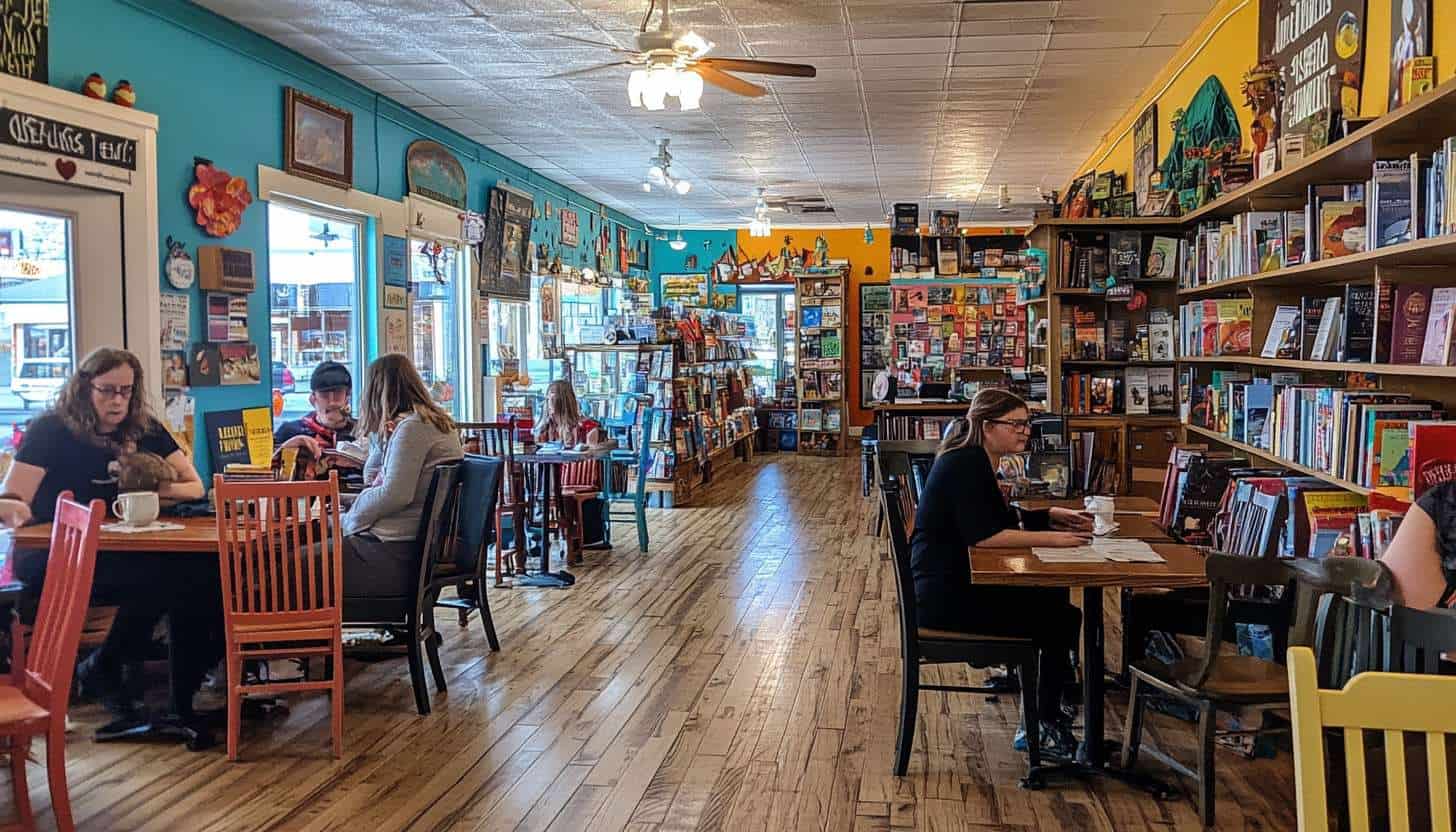
Discovering your favorite book genres is a journey that can transform your reading life. Each genre offers a unique lens through which to explore stories, ideas, and emotions.
Understanding the nuances of different genres allows readers to connect with books that resonate deeply. By uncovering your favorite book genres, you can find captivating book recommendations tailored to your interests. This exploration not only enhances your reading experience but also broadens your literary horizons.
What Are Book Genres?
Book genres are categories that group literature based on similar themes, styles, or content. They play a crucial role in literature by helping readers navigate the vast world of books. Understanding these classifications can enhance your reading experience and guide you to your favorite book genres.
There are numerous categories of book genres, each offering a unique perspective. Common classifications include fiction genres like romance, mystery, and fantasy, as well as non-fiction genres such as biographies and self-help. Each genre serves a different purpose, catering to various interests and preferences among readers.
Genres can significantly help readers find books that resonate with them. For instance, if you enjoy thrilling narratives, exploring mystery genres may lead you to captivating stories. Similarly, if you're drawn to imaginative worlds, fiction genres like fantasy can provide an escape into new realms.
Fiction: The World of Imagination
Fiction is a vast realm filled with endless possibilities. It includes various subgenres, such as literary fiction, historical fiction, and science fiction. Each of these categories offers unique narratives that can transport readers to different times, places, or even entirely new worlds.
In literary fiction, you might encounter profound themes and complex characters. Notable titles include "The Great Gatsby" by F. Scott Fitzgerald and "To Kill a Mockingbird" by Harper Lee. Historical fiction allows readers to step into the shoes of characters from the past, with books like "The Book Thief" by Markus Zusak and "All the Light We Cannot See" by Anthony Doerr captivating audiences with rich historical detail.
Science fiction expands our imaginations with futuristic concepts and advanced technologies. Classics such as "Dune" by Frank Herbert and "Neuromancer" by William Gibson challenge our understanding of reality. The emotional connection readers often have with fiction can be profound, as stories evoke feelings of joy, sadness, or nostalgia, making them relatable and memorable.
By diving into the world of fiction, readers not only escape their daily lives but also experience the depth of human emotion. This genre invites readers to explore their imaginations and reflect on their own experiences. Whether through literary works or thrilling sci-fi adventures, fiction remains an essential part of our reading journey.
Non-Fiction: Learning Through Literature
Non-fiction encompasses a wide range of writing that seeks to inform, educate, and inspire readers. This genre includes biographies, self-help books, memoirs, and essays. Each type serves a unique purpose, allowing readers to explore real-life experiences and insights that can shape their understanding of the world.
Biographies like "The Diary of a Young Girl" by Anne Frank offer intimate glimpses into remarkable lives. Self-help books such as "Atomic Habits" by James Clear provide practical advice for personal growth. Memoirs, like Michelle Obama's "Becoming", share powerful stories that resonate with readers' emotions and experiences.
Non-fiction has the ability to educate readers on various topics, from history to psychology. It can inspire change and encourage personal reflection through compelling narratives and factual information. Engaging with non-fiction allows readers to connect with ideas and learn from the experiences of others, making it a vital part of their journey in discovering their favorite book genres.
By exploring non-fiction literature, readers can uncover profound truths and gain new perspectives. This genre not only satisfies curiosity but also fosters a deeper understanding of life’s complexities. As you delve into non-fiction, you may find that it complements your exploration of other genres, including mystery, enhancing your overall reading experience.
Fantasy: Escaping to Other Realms
Fantasy literature is defined by its imaginative elements and magical settings. It often includes mythical creatures, epic quests, and worlds that exist beyond our own. This genre invites readers to escape reality and immerse themselves in extraordinary adventures filled with wonder and excitement.
Popular fantasy series like "The Lord of the Rings" by J.R.R. Tolkien and "Harry Potter" by J.K. Rowling have captivated millions. Standalone novels such as "The Night Circus" by Erin Morgenstern also showcase the genre's potential for enchanting storytelling. Each of these works offers unique worlds where anything is possible, making them beloved among fantasy enthusiasts.
World-building is a crucial aspect of fantasy literature, as it creates immersive experiences for readers. Authors meticulously craft their settings, complete with intricate histories, cultures, and rules that govern their worlds. This detailed construction allows readers to escape into realms where they can explore the unknown, enhancing their emotional connection to the story.
Escapism is a significant draw for fans of fantasy books. It provides a temporary refuge from everyday life, allowing readers to explore themes of courage, love, and friendship through fantastical lenses. In addition to thrilling adventures, many fantasy tales also weave in elements of romance, adding depth and relatability to the characters’ journeys.
Mystery and Thriller: The Art of Suspense
Mystery and thriller genres are defined by their focus on suspenseful plots that engage readers’ curiosity. These genres often involve a central enigma, such as a crime or a secret, that needs to be solved. The pacing is typically fast, filled with twists and turns that keep readers on the edge of their seats, eager to uncover the truth.
Some engaging titles in the mystery and thriller genres include "Gone Girl" by Gillian Flynn and "The Girl with the Dragon Tattoo" by Stieg Larsson. Both novels masterfully blend suspense with deep character development, making them stand out in this category. Readers will find themselves captivated by the unfolding mysteries and intricate plotlines, which are hallmarks of their favorite book genres.
The psychological aspects of why people enjoy these stories are fascinating. Many readers are drawn to the thrill of uncertainty and the adrenaline rush that comes from solving puzzles alongside the characters. The immersive experience allows readers to step into the shoes of detectives or protagonists, creating a strong connection to the narrative that enhances their overall reading adventure.
In addition to gripping plots, mystery and thriller novels often explore deeper themes, such as morality, trust, and human nature. This complexity adds layers to the story and keeps readers engaged long after they’ve turned the last page. Whether you are a fan of classic whodunits or contemporary psychological thrillers, these genres offer something for every reader seeking excitement and intrigue in their literary journey.
Romance: The Power of Love Stories
Romance literature is rich with various subgenres that cater to diverse tastes. Contemporary romance focuses on modern relationships, exploring themes of love in today's world. Historical romance transports readers to different eras, blending love stories with historical events, while paranormal romance introduces elements of fantasy, such as vampires or witches, creating magical connections between characters.
Some beloved romance novels have captured the hearts of many readers. "Pride and Prejudice" by Jane Austen remains a timeless classic, showcasing the intricate dance of love and social expectations. More recently, "The Hating Game" by Sally Thorne offers a fun enemies-to-lovers story that resonates with many readers today, proving that love can blossom in unexpected places.
Romance literature has a unique ability to connect with readers' emotions and experiences. It often reflects real-life struggles and joys of love, allowing readers to see their own stories within the pages. This emotional connection is why romance remains a popular genre, offering comfort and escapism through tales of love and passion.
As readers dive into romance novels, they discover that love stories can be both relatable and transformative. Each subgenre presents different facets of love, allowing readers to explore their feelings while enjoying compelling narratives. Whether it's contemporary, historical, or paranormal romance, there is always a story waiting to spark joy and reflection.
Young Adult (YA): Relatable Tales for Teens and Beyond
Young Adult (YA) literature is a vibrant genre that captures the complexities of adolescence. This genre often explores themes such as identity, friendship, love, and the transition into adulthood. YA novels provide unique perspectives that resonate with both teens and adult readers, making them some of the most popular favorites among book genres.
Some popular YA books have left a significant impact on readers. Titles like "The Fault in Our Stars" by John Green and "The Hate U Give" by Angie Thomas tackle real-life issues, such as illness and social injustice. These stories not only entertain but also encourage discussions about important topics, making them relatable to readers of all ages.
What makes YA fiction particularly appealing is its ability to connect emotionally with readers. The characters often face challenges that mirror the struggles many experience in their own lives. As a result, these narratives can inspire empathy and understanding, fostering a sense of community among readers who share similar experiences or feelings.
In addition to engaging storytelling, YA literature often includes elements from other genres. For example, some YA novels may incorporate aspects of historical fiction, providing insights into different eras while still appealing to younger audiences. This blend of genres allows readers to explore their favorite book genres while discovering new themes and stories that resonate with them.
Finding Your Favorite Genres
Exploring different book genres is a thrilling journey for any reader. Start by setting aside time each week to read a variety of genres, including young adult literature. This practice can help you identify which styles resonate with you the most.
Joining a book club can be an excellent way to discover new genres. Many clubs focus on specific themes, allowing members to dive deep into their interests. Online reading communities, like Goodreads, also provide personalized recommendations based on your reading habits.
Keep an open mind when trying new genres. You might be surprised by how much you enjoy a genre you thought was not for you. For instance, someone who typically reads young adult novels might find themselves captivated by a gripping mystery or a heartwarming romance.
Don’t hesitate to ask friends or family for suggestions as well. Sharing your discoveries with fellow book lovers can enhance your reading experience. By exploring different genres, you will uncover your favorites and enrich your literary adventure.
Embrace Your Literary Journey
Knowing your favorite book genres is essential for a fulfilling reading experience. It helps you choose books that resonate with you and enrich your literary journey. By exploring various genres, you can discover new favorites that inspire and excite you.
As you embark on this reading adventure, share your findings with fellow book lovers. Discussing your favorite book genres can create deeper connections and enhance your understanding of literature. Remember, the joy of reading multiplies when shared with others who share your passion.
Related Articles

How to Monetize Writing in 7 Surprising Ways
Figuring out how to monetize writing doesn’t mean you’re selling out—it means you’re getting paid for your talent. Most writers only know abou…
Read more
AI Book Writing Software That Actually Works
Can AI book writing software really help you finish that novel or non-fiction project? The answer might surprise you. While some tools produce generic garbage, …
Read more
The Best Book Summary Websites for Busy Readers
Short on time but still want to learn? Check out the best book summary websites that deliver powerful insights in minutes.
Read more