
Generative Art Platforms for Bold Digital Designs
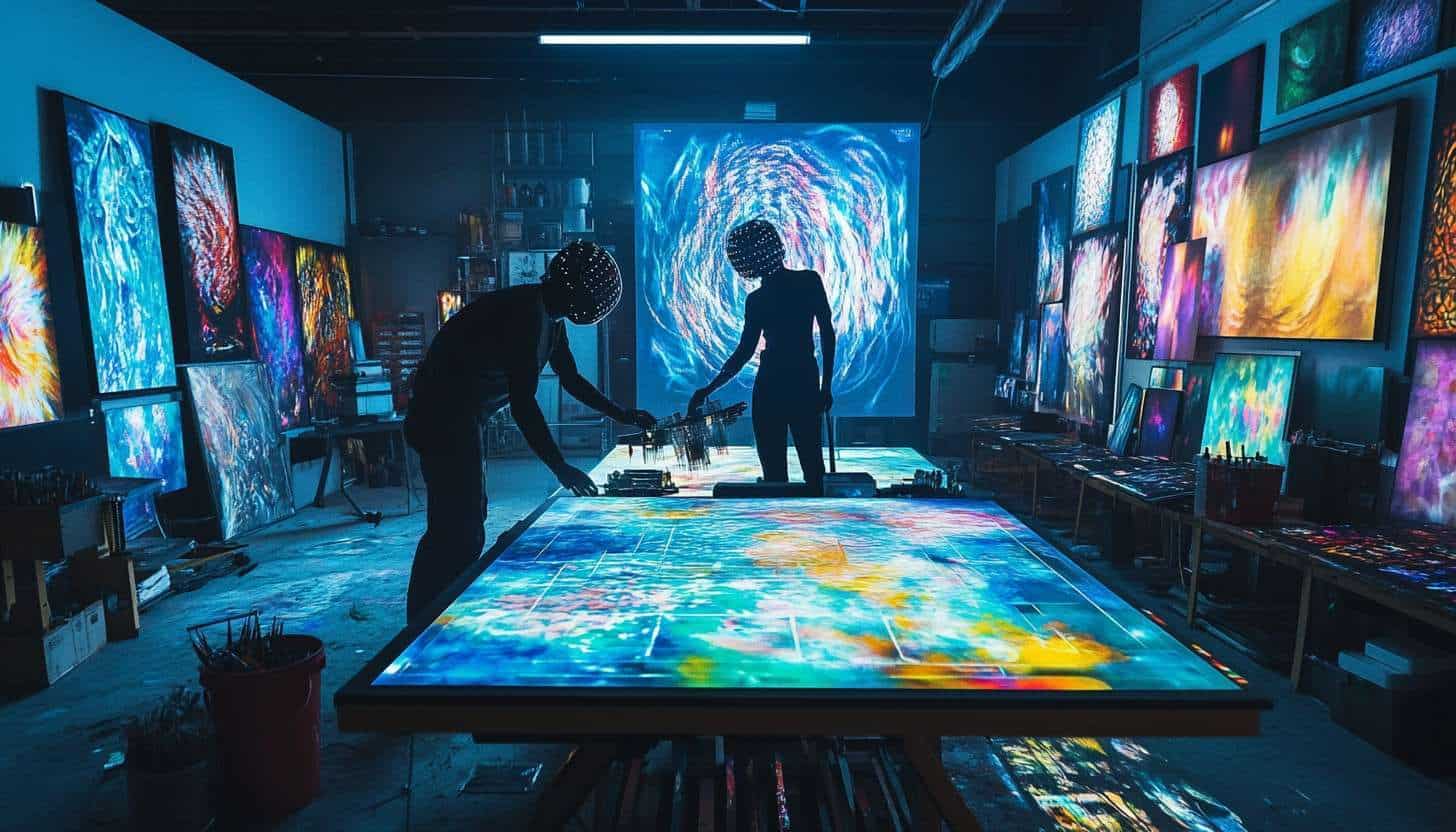
Generative art is an exciting field that blends creativity with technology. It allows artists to create stunning visuals through coding and algorithmic design, pushing the boundaries of traditional art forms. In recent years, list of AI tools websites have become valuable resources for artists looking to explore various generative art platforms.
In recent years, generative art platforms have gained popularity among artists and enthusiasts alike. These platforms offer tools that transform artistic expression, enabling creators to explore new dimensions of their work. Your journey with generative art platforms can lead to innovative discoveries and unique creations.
What is Generative Art?

Generative art refers to artworks created through algorithms and automated processes. This form of art relies on predefined rules set by the artist, allowing technology to play a significant role in the creative process. It combines programming with traditional artistic elements, making it a unique blend of creativity and technology.
Key characteristics of generative art include its ability to produce endless variations from a single set of instructions. Artists can create dynamic pieces that evolve over time or respond to user interactions. This unpredictability makes generative art platforms particularly appealing to both creators and audiences, as no two pieces are ever exactly the same.
Notable generative artists have made significant contributions to the field, pushing the boundaries of digital art creation. One example is Casey Reas, who co-created Processing, a popular programming language for artists. His work emphasizes the importance of code in the artistic process, encouraging others to explore this intersection between art and technology.
Another influential figure is Manfred Mohr, known for his algorithmic approach to art. His pieces often focus on geometric forms and complex patterns generated through algorithms. These examples illustrate how generative art platforms have enabled artists to innovate and redefine what art can be in the digital age.
Getting Started with Coding

To dive into the world of generative art, you need to understand basic coding languages. Two of the most popular languages are Processing and p5.js. Processing is an open-source graphical library that makes it easy to create visual art through code.
P5.js is a JavaScript library that builds on Processing’s concepts and allows for web-based projects. Both platforms are beginner-friendly and perfect for those looking to blend art and technology. Many creators also utilize AI image generator tools to complement their coded art pieces with AI-generated elements.
There are plenty of resources available to help you learn the basics of creative coding. Online platforms like Codecademy and Khan Academy offer interactive tutorials specifically for beginners.
YouTube is also a treasure trove of video tutorials where experienced artists share their knowledge of coding in a fun and engaging way. These resources can guide you through the fundamentals and help you gain confidence in your coding skills.
As you start learning, consider working on small projects to practice what you’ve learned. Creating simple shapes or animations can be an excellent way to understand how code translates into visual art. Experimenting with different coding techniques will enhance your understanding of generative art and inspire your creativity.
Remember, the journey from code to canvas begins with mastering the basics of coding, so take your time and enjoy the process. Many artists find that combining traditional coding with machine learning visuals creates fascinating hybrid works that showcase both human creativity and computational intelligence.
Choosing the Right Generative Art Platform
Selecting the right generative art platform is crucial for your creative journey. Popular options include Processing, OpenFrameworks, and TouchDesigner. Each of these generative art platforms offers unique features that cater to different artistic needs and skill levels.
Processing is an excellent starting point for beginners. It has a user-friendly interface that simplifies coding for artists. OpenFrameworks, on the other hand, provides more flexibility and is suited for those who have a grasp of C++. TouchDesigner stands out for its visual programming capabilities, making it ideal for interactive art installations.
When choosing a platform, consider factors like ease of use and community support. Platforms with strong communities often have abundant resources and tutorials available.
This support can be invaluable as you navigate challenges in your generative art projects. Ultimately, the right choice will empower you to express your creativity through generative art platforms effectively. Some artists also incorporate automated graphic design tools into their workflow to enhance their generative art projects with structured design elements.
Understanding Algorithmic Design
Algorithms are essential tools in the realm of generative art. They provide a set of rules or instructions that dictate how an artwork is created. By using algorithms, artists can generate unique visuals that change with each execution, creating an endless variety of outcomes.

For beginners, simple algorithmic techniques can serve as a great starting point. For example, using random number generation in p5.js allows artists to create patterns that vary every time the code runs. Another technique is to utilize loops to repeat certain shapes or colors, which can lead to interesting designs that evolve as parameters change.
Processing.js and p5.js are popular libraries that make it easier for artists to implement algorithmic design. Both libraries offer accessible functions for drawing shapes and manipulating colors. By experimenting with these libraries, newcomers can gain a deeper understanding of how algorithms influence their art.
As you explore algorithmic design, try combining different techniques to see how they interact. For instance, layering multiple algorithms can create complex visual effects. This experimentation will not only enhance your skills but also deepen your appreciation for the role of algorithms in generative art.
The integration of AI-based photo editing techniques with algorithmic design has opened new creative pathways for artists working with generative art platforms. This combination allows for unique transformations of photographic material within code-based artistic frameworks.
Step-by-Step Tutorials for Beginners
Getting started with generative art can feel overwhelming, but simple projects can help you ease into the process. Generative art platforms like Processing and p5.js offer excellent environments for beginners to experiment with code and visuals. You might start by creating a basic shape that responds to user input, such as a circle that changes color when clicked.
As you work on your projects, you may encounter common issues like syntax errors or unexpected results. A helpful tip is to break your code into smaller sections and test each part individually. This approach not only makes troubleshooting easier but also helps you understand how each component contributes to the final artwork.
Another project idea is to create a dynamic pattern generator using loops and random functions in your chosen online art tools. Experimenting with different parameters can lead to unique and unexpected designs. Don’t hesitate to share your work with the community, as receiving feedback can inspire further creativity and improvement.
Remember that practice is key in mastering generative art platforms. Each small project builds your skills and confidence, making the next one easier and more enjoyable. Embrace the learning journey and let your creativity flow as you explore the possibilities of generative art.
Some beginners find it helpful to utilize an AI image generation comparison to understand different algorithmic approaches before implementing them in their own generative art projects. This helps them visualize potential outcomes and refine their artistic direction.
Exploring Creative Techniques
Blending traditional art techniques with generative methods can yield fascinating results. For instance, an artist could start with a hand-painted canvas and then use a generative art platform to overlay digital patterns. This combination of media creates a dialogue between the physical and digital realms, enhancing the overall aesthetic of the artwork.

Incorporating randomness into your generative art can lead to unexpected and intriguing outcomes. For example, using random number generators in your code can create variations in color or shape that change each time you run the program. This element of surprise not only adds depth to your work but also reflects the chaotic beauty found in nature.
Interactivity is another exciting aspect of generative art. By allowing viewers to influence the artwork through their actions, you can create a dynamic experience. For instance, an installation could respond to audience movements or inputs, generating unique visuals based on their interactions.
These creative techniques encourage artists to push boundaries and experiment with new ideas. Embracing both traditional and generative practices can lead to innovative artwork that captivates viewers. As you explore these methods, remember that the journey from code to canvas is about discovery and expression.
Many artists are now incorporating automatic photo editing capabilities into their generative art platforms to create works that blend photography with algorithmic manipulation. This hybrid approach enables a fascinating dialogue between captured reality and computational transformation.
Showcasing Your Work
Presenting your creations is an essential step in your journey with generative art platforms. Start by curating a digital portfolio that highlights your best pieces. Use high-quality images and include descriptions to give context to your work. This helps viewers understand your artistic vision and the techniques you employed.
Social media is an excellent way to share your generative art with a broader audience. Platforms like Instagram, Twitter, and Behance allow artists to showcase their work visually. Engage with your audience by sharing behind-the-scenes content, such as coding snippets or process videos, to create a connection with them.
Communities dedicated to generative art platforms can also serve as valuable spaces for showcasing your work. Websites like ArtStation and DeviantArt offer platforms tailored for visual artists. Joining forums or groups on platforms like Discord can help you get feedback and connect with other artists who share your passion.
Don’t forget to participate in online exhibitions and challenges specific to generative art platforms. These events can provide exposure and help you build credibility in the art community. Remember, sharing your work is not just about visibility; it’s about joining a dialogue and inspiring others through your unique perspective.
Remember, sharing your work is not just about visibility; it’s about joining a dialogue and inspiring others through your unique perspective. Some artists enhance their portfolio presentations with artificial intelligence visual effects in animation to demonstrate the dynamic capabilities of their generative art pieces.
Staying Inspired and Evolving as an Artist
Maintaining creativity in generative art can be a rewarding challenge. One effective strategy is to set aside regular time for experimentation. This dedicated time allows you to explore new techniques and ideas without the pressure of creating a final piece.

Engaging with other artists can also reignite your passion for generative art. Joining online forums or local art groups provides a platform for sharing your work and receiving feedback. Participating in art challenges can push you out of your comfort zone, inspiring fresh concepts and methods.
Another way to stay inspired is by studying different art forms. Look at traditional painting, sculpture, or digital design for ideas that can be integrated into your generative projects. This cross-pollination of styles can lead to innovative outcomes that reflect your unique artistic voice.
Remember that evolution is part of the artistic journey. Embrace the learning process and celebrate small victories along the way. By continuing to grow and adapt, you will find joy in your explorations within the generative art space.
In Summary
Your journey from code to canvas in generative art has been filled with exploration and creativity. Generative art platforms provide a unique opportunity to blend technology with artistic expression. As you continue to experiment, remember that each creation enhances your skills and deepens your understanding of generative art.
Embrace the challenges and triumphs along the way. The world of generative art platforms is vast and inspiring, offering endless possibilities for growth. Keep pushing your creative boundaries and stay connected with fellow artists as you navigate this exciting artistic journey.
Related Articles
Is Character AI Generative AI? How It Works and What It Creates
Is Character AI generative AI? Yes. It creates original text responses from your prompts, conversation context, and patterns learned during training. Instead…
Read more
Best AI Image Generator: How to Choose the Right Tool for Creative Work
Choosing the best ai image generator is harder than ever. Many platforms now produce polished results, but quality, speed, pricing, control, and licensing ca…
Read more
AI for Landscape Design: Tools, Workflows, and Real-World Examples
A client wants a polished garden concept by Friday, but you have only a rough sketch, a few site photos, and a stubborn deadline. This is where AI for landsc…
Read more