
How Machine Learning for Marketers Drives Engagement
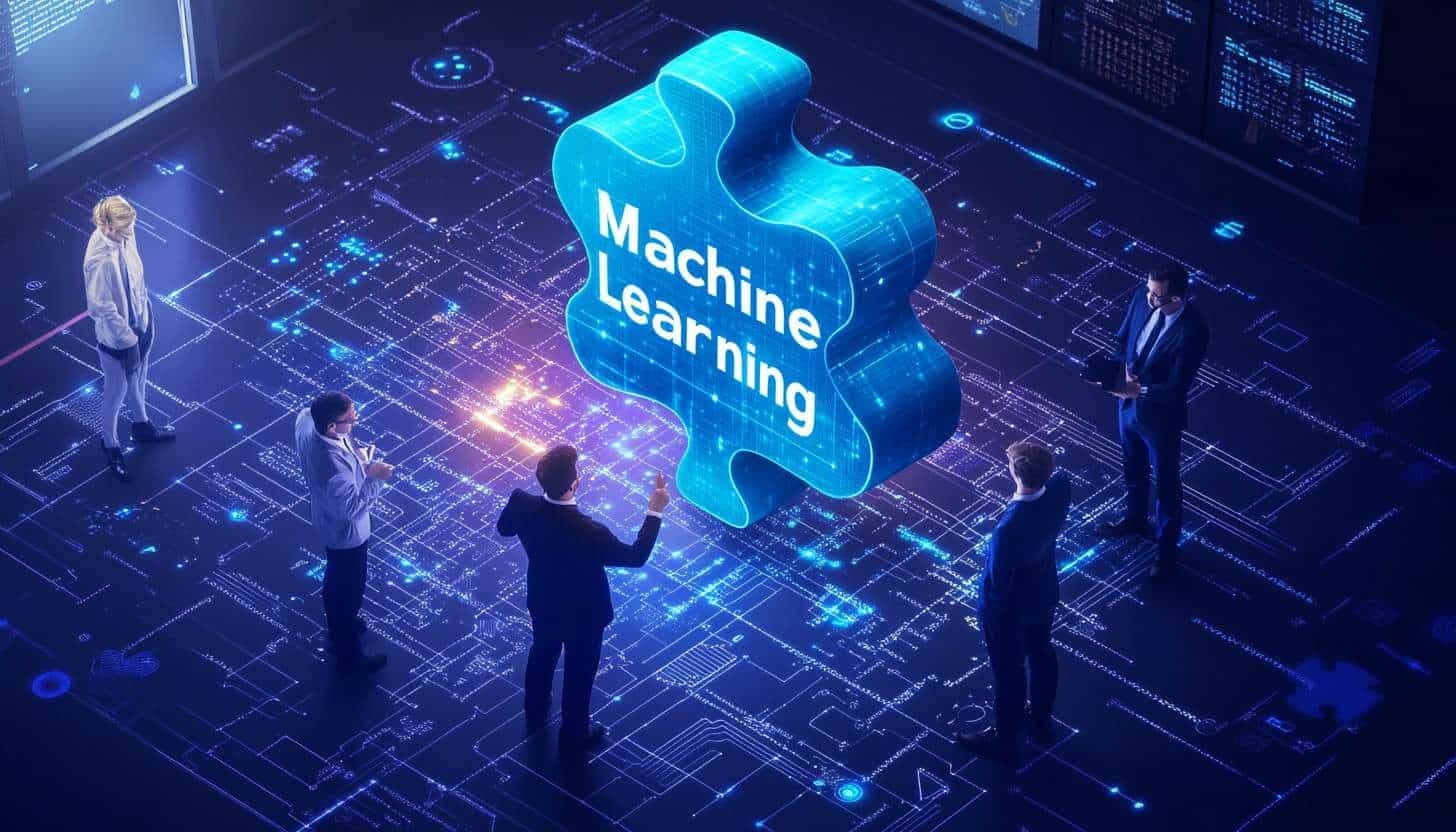
In today’s fast-paced digital landscape, machine learning for marketers is becoming essential. This technology enables brands to analyze vast amounts of data quickly, a capability also seen in machine learning for SEO to optimize online visibility. It helps identify customer preferences and predicts future behaviors, making marketing more effective than ever.
Enhancing customer engagement is a critical goal for any business. With machine learning for marketers, businesses can create personalized experiences that resonate with their audience. By leveraging insights from data, marketers can tailor messages and offers, leading to deeper connections and higher satisfaction rates.
As we explore the various applications of machine learning for marketers, you will discover how this technology can transform your strategies. From automation tools to personalized messaging, the possibilities are exciting. Join us on this journey to unlock new potential in your marketing efforts!
Understanding Machine Learning for Marketers
Machine learning, a subset of AI, allows systems to learn from data without explicit programming. Marketers use this technology to analyze customer data, identifying patterns and trends for informed decision-making. For those exploring AI further, resources like the best AI tools directory provide valuable insights into tools and strategies to enhance marketing efforts.
Key benefits include predicting customer behavior based on past interactions, such as online retailers identifying likely purchases from browsing history. Consequently, this results in better-targeted promotions and recommendations, enhancing engagement rates significantly. Overall, machine learning empowers marketers to refine their approaches and improve customer interactions.
Machine learning enhances marketing by automating processes like data analysis and customer segmentation, improving efficiency. Companies can precisely segment audiences based on purchasing habits, leading to tailored messaging and increased conversion rates.
Additionally, machine learning enables continuous strategy improvement through real-time data analysis, allowing marketers to quickly adjust campaigns based on automated insights. This ongoing performance analysis helps refine approaches, ultimately boosting customer satisfaction and engagement.
The Role of Chatbots in Customer Interactions
Chatbots are revolutionizing business-customer communication by offering instant responses to common questions. This immediacy improves user satisfaction and enables marketers to tackle more complex issues. Many companies explore the best chatbot platforms to find the right tools for delivering seamless and efficient customer service.
Chatbots enhance customer service by providing quick responses to inquiries, improving trust and shopping experiences. They allow marketing teams to use resources more effectively and operate 24/7, catering to global audiences. Machine learning enables swift replies, fostering ongoing conversations that boost engagement and sales.
Overall, chatbots are essential for optimizing customer interactions and operational efficiency, offering seamless service that leaves a lasting impression. By utilizing machine learning, businesses can elevate communication strategies and experience the numerous benefits of AI in ecommerce, from enhanced personalization to improved customer retention.
Automation in Marketing: A Game Changer
Machine learning automation tools are revolutionizing digital marketing by analyzing data to enhance efficiency. Software such as HubSpot and Marketo automate lead scoring, enabling marketers to quickly identify high-quality leads. This allows them to concentrate on prospects with the highest conversion potential, streamlining their marketing efforts.
Automation, particularly through machine learning, greatly enhances marketing efficiency and effectiveness. It allows campaigns to adjust in real-time based on consumer interactions, leading to increased engagement and higher returns on investment.
Additionally, automation reduces operational costs by up to 30%, enabling teams to focus on strategy and creativity rather than repetitive tasks. As businesses adopt these technologies, they improve customer engagement and maintain a competitive edge.
Overall, integrating automation into marketing strategies is essential for operational efficiency and fostering growth in a budget-conscious environment.
Personalized Marketing through Data-driven Insights
Personalized marketing strengthens customer relationships by using machine learning to analyze data. This creates tailored experiences that align with individual preferences, such as product recommendations from online retailers based on past behavior, ultimately boosting satisfaction and sales.
Personalization in marketing boosts engagement and conversion rates by making customers feel valued. Tailored offers, such as personalized emails, enhance brand perception.
Marketers require tools to analyze customer behavior effectively, with machine learning enabling efficient data processing. Platforms like Google Analytics provide valuable insights into user interactions, while CRM tools track preferences over time. This data-driven approach allows brands to anticipate customer needs instead of reacting afterward.
Implementing machine learning enhances personalization, ensuring marketing efforts target impactful areas.
Enhancing User Experience with AI Technology
Artificial Intelligence enhances user experience by streamlining customer journeys through data analysis. Machine learning helps marketers anticipate customer needs, exemplified by Amazon’s product recommendations based on browsing and purchase history. This personalization boosts satisfaction, encourages repeat visits, and increases conversion rates.
Real-time feedback mechanisms optimize user experiences by utilizing machine learning to analyze consumer feedback. Companies like Netflix effectively adjust marketing strategies based on viewer preferences, enhancing customer understanding and loyalty.
To integrate AI into user experience design, marketers should prioritize clarity, consistently test tool effectiveness, and maintain transparency about data use. Following these principles allows machine learning to create engaging environments that resonate with audiences.
As more brands adopt machine learning approaches, it becomes increasingly imperative for marketers to keep a keen eye on emerging trends in this space. Those who do will not only enhance engagement but also solidify their positions in competitive markets.
Automated Email Responses: Timely Communication at Scale
Automated email responses are crucial for effective email marketing, ensuring timely communication and engagement. Using tools like WordHero, businesses can craft compelling messages that resonate with their audience, streamlining the creation process for maximum impact. Combined with machine learning, these emails address common inquiries quickly, fostering trust and enhancing customer relationships.
Segmenting your audience by demographics and behavior is essential for personalized automated messaging. For instance, a welcome email for new subscribers should differ from follow-ups for abandoned carts. Implementing email campaign optimization ensures that these tailored messages reach the right audience at the right time, driving better results.
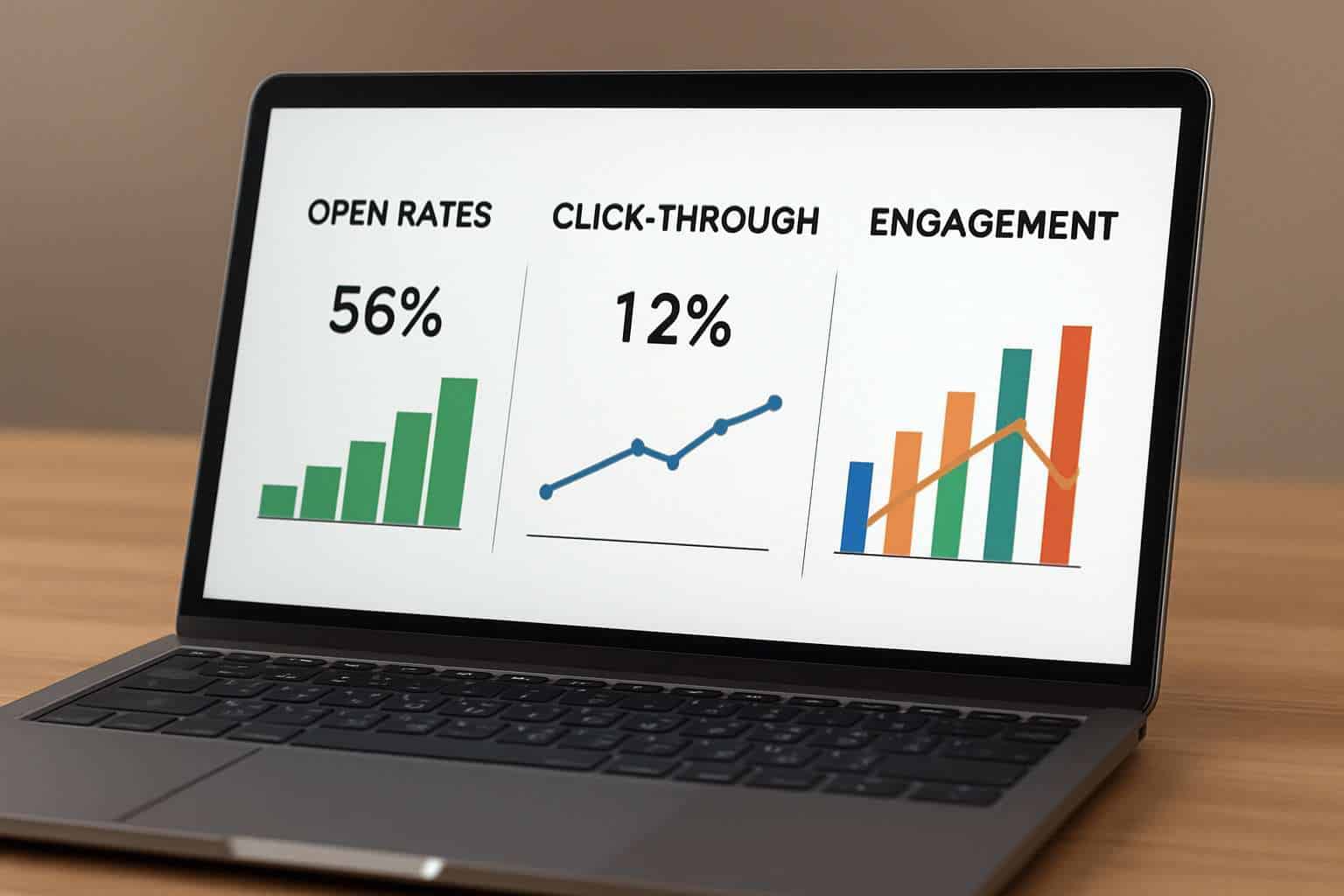
Personal touches, like addressing recipients by name or suggesting relevant products, boost communication effectiveness. Monitoring key metrics—open rates, click-through rates, and conversion rates—is critical for improvement. Analyzing customer feedback and engagement post-email helps gauge resonance.
Machine learning empowers marketers to refine strategies based on these insights, enhancing overall marketing effectiveness. As more businesses adopt such technology, staying ahead with innovative approaches will ensure companies maintain a competitive edge in reaching their customers effectively.
Marketing Technology Trends Shaping the Future
Emerging technologies in machine learning, like natural language processing and predictive analytics, are transforming marketing. NLP helps brands understand customer sentiments from social media, providing real-time insights. Predictive analytics forecasts customer behavior using historical data, guiding marketing strategies and enhancing engagement.
Looking ahead, we can anticipate innovations such as advanced personalization algorithms that fine-tune recommendations based on individual user preferences. Machine learning will likely enable marketers to create hyper-targeted advertising campaigns that resonate deeply with potential buyers.
Furthermore, advancements in AI-driven content generation could result in creating customized marketing materials at scale, saving both time and resources for teams.
Staying ahead requires embracing these new technologies proactively. Organizations that integrate these machine learning for marketers trends into their operations will likely see substantial benefits over those who resist change. Marketers must view technology as an opportunity rather than a hurdle; adopting innovative tools can lead to improved efficiency and more meaningful interactions with customers.
The ability to harness these trends will be crucial in navigating the ever-competitive marketing environment of the future. By leveraging machine learning effectively, brands can not only enhance their engagement but also build stronger relationships with their audiences. It’s essential for current marketing professionals to stay informed and adaptable to ensure long-term success in this dynamic field.
In Summary
Machine learning for marketers has transformed how businesses engage with customers. By leveraging data-driven insights, marketers can create tailored experiences that enhance user interactions and satisfaction. From chatbots to personalized email responses, the applications of machine learning are broad and impactful.
Incorporating machine learning for marketers isn’t just beneficial; it is essential for staying competitive in today’s market. As technology continues to evolve, embracing these innovations will lead to improved customer relationships and business success.
Marketers should take the initiative to explore and adopt these cutting-edge tools for a brighter future in engagement strategies.
Related Articles
Transform Your Marketing with Email Engagement Metrics
Turn your emails into results. Learn how engagement metrics reveal what works and how to make your campaigns more powerful than ever.
Read more
The Secrets Behind Perfect Customer Engagement Emails
Your emails can do more than inform—they can connect. Discover the proven secrets to writing emails that your customers actually love.
Read more
7 Digital Marketing Strategies to Sell More
In today’s competitive market, establishing a strong author brand is crucial for success. Author branding helps you stand out and connect with readers, ma…
Read more