
Transform Your Marketing with Email Engagement Metrics
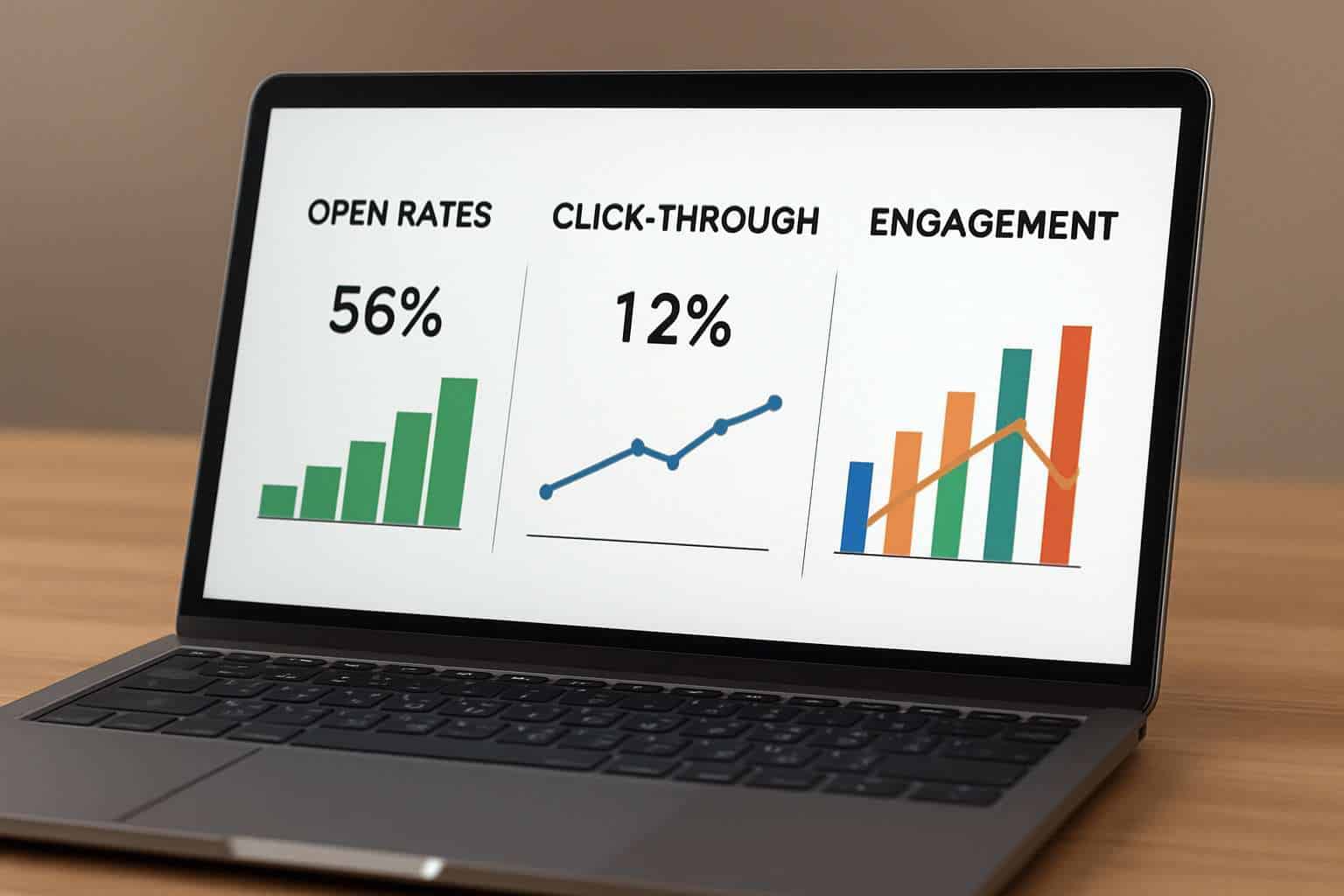
In today’s fast-paced digital world, understanding email engagement metrics is crucial for effective marketing. These metrics provide valuable insights into customer behavior, helping businesses tailor their strategies for better results. Tracking key figures like open rates can illuminate what resonates with your audience.
Using these metrics, you can create personalized email campaigns that speak directly to individual preferences and boost overall engagement. With the right approach and AI writing assistant tools, you can transform raw data into actionable insights. Leveraging a comprehensive directory of AI tools can further enhance your marketing capabilities.
Understanding Email Engagement Metrics
Email engagement metrics provide valuable insights into how well your campaigns are performing. Key metrics include open rates, click-through rates, and conversion rates. Open rates reveal the percentage of recipients who opened your email.
Click-through rates indicate how many clicked on links within the email. Conversion rates measure the percentage of users who completed a specific action, such as making a purchase or signing up for a newsletter. Each of these metrics plays a significant role in assessing your campaign’s effectiveness.
For instance, a high open rate suggests that your subject lines resonate with your audience. However, if your click-through rate is low, it may indicate that your content needs improvement. Understanding these nuances helps marketers refine their strategies and make data-driven decisions.
Take an example of a small e-commerce business that sells handmade jewelry. If their email campaign has an open rate of 30%, it shows decent interest. Yet, if the click-through rate is only 2%, they may need to rethink their email content or calls-to-action.
By closely monitoring these email engagement metrics, businesses can uncover areas for improvement and boost overall performance. Lead nurturing emails can help guide prospects through the customer journey effectively. According to Campaign Monitor, understanding industry benchmarks helps set realistic goals for your campaigns.
Finally, conversion rates are crucial for determining revenue impact. A campaign with a 5% conversion rate shows that the email effectively drives sales. This metric helps clarify whether the email content fulfilled its intended purpose.
Tracking these metrics helps marketers create tailored strategies that enhance user experience and ultimately drive growth. Proper email campaign optimization ensures you’re maximizing every opportunity. Mailchimp’s research provides valuable industry insights for benchmarking your performance.
Analyzing Open Rates
Open rates serve as a crucial indicator of how effectively your email campaigns capture attention. Several factors can influence these rates, including sender reputation, timing, and audience segmentation. For instance, emails sent on weekends may see lower open rates compared to those sent on weekdays.
Understanding these factors can help refine strategies that lead to higher engagement and ultimately enhance conversion rates. One of the most effective ways to boost open rates is through subject line optimization. Crafting compelling subject lines can significantly determine whether subscribers choose to open your email.
Use actionable language and personalization to create a sense of urgency. For example, instead of a generic subject line like “Sale Now On,” try “Last Chance: 20% Off Just for You!” Such tactics not only attract attention but also align with the interests of your audience.
Another effective strategy is A/B testing different subject lines to see which performs better. By comparing two variations, such as one that includes a question versus one that states a benefit, you can learn what resonates with your audience. This method not only enhances your understanding of what drives open rates but also helps in crafting future emails that boost overall engagement and conversion rates.
Consider the importance of sending time. Analyzing engagement data can help identify optimal sending times for your specific audience. Testing different time slots may reveal patterns in subscriber behavior.
Utilizing this insight ensures that your emails land in inboxes when subscribers are most likely to engage. By focusing on these strategies, you can significantly improve open rates and pave the way for better overall campaign performance. Successful email newsletters often incorporate these best practices to maximize reader engagement.
Conversion Rates and Their Impact
Conversion rates are a vital measure of success in email marketing. They indicate the percentage of recipients who take a desired action, such as making a purchase or signing up for a newsletter. This metric sits at the bottom of the sales funnel and reflects how effectively your emails motivate subscribers to engage further with your brand.
To enhance conversion rates, targeted content is crucial. Tailoring your emails to specific audience segments can significantly boost effectiveness. For instance, a clothing retailer might send personalized recommendations based on past purchases.
This creates a sense of audience connection, making recipients feel valued and understood. Personalized email content is essential for building meaningful relationships with subscribers. HubSpot’s data shows that personalized emails deliver higher transaction rates.
Another effective technique is offering exclusive deals or incentives. Promotions like “20% off your next purchase” can motivate hesitant subscribers to act. Additionally, clear calls-to-action (CTAs) guide recipients toward the next step.
Phrasing such as “Shop Now” or “Get Your Discount” can lead to higher engagement and conversion. Improving conversion rates requires strategic planning. By focusing on targeted content and compelling offers, marketers can effectively drive subscribers down the sales funnel.
This not only enhances conversion rates but also fosters lasting relationships with the audience. Customer engagement emails play a critical role in maintaining these valuable connections.
The Role of A/B Testing
A/B testing is a vital tool for enhancing your email marketing strategy. It allows marketers to compare two versions of an email to see which performs better based on specific goals. By analyzing the results, businesses can optimize their email engagement metrics.
This data-driven approach leads to improved open rates, click-through rates, and ultimately, higher conversion rates. There are several elements you can test in your email campaigns. For example, you can experiment with subject lines to determine which one attracts more opens.
Another area to consider is the layout and design of your email. Testing different images, button placements, and color schemes can provide insights into what resonates most with your audience. Additionally, you can test the content itself.
By sending out variations of the body copy, you can gauge which messages engage readers better. Whether it’s a different call-to-action or a personalized message, small tweaks can make a significant impact. Integrating A/B testing into your regular email marketing process can lead to continuous improvement.
Regularly monitoring email engagement metrics after each test will provide valuable insights. These insights can shape your future email campaigns, ensuring they are as effective as possible. Click-through rate optimization strategies can significantly benefit from systematic A/B testing approaches.
Personalization Through Metrics
Personalization is essential for enhancing customer engagement in email marketing. By analyzing engagement metrics, marketers can create tailored email experiences that resonate with their subscribers. For instance, if a user frequently clicks on emails about fitness products, segmenting that subscriber group allows you to send specialized offers that align with their interests.
This targeted approach not only improves engagement but also fosters a stronger connection with your audience. Understanding subscriber behavior is key to effective personalization. Metrics like open rates and click-through rates can reveal insights about what content captivates your audience.
For example, if certain subject lines generate higher open rates, you can use similar language to create more engaging titles. Similarly, if certain products receive more clicks, it indicates a preference that can guide future marketing efforts. Tailored content leads to more meaningful interactions.
Subscribers appreciate when their preferences are acknowledged, which boosts loyalty and retention. Personalized recommendations based on past purchases or content engagement can significantly enhance conversion rates. As a result, when customers feel understood, they are more likely to engage with your brand and make purchases.
Regularly reviewing and adjusting your email strategy is crucial. Engagement metrics should guide your content and offers continuously, ensuring you meet evolving customer needs. By proactively adapting to the insights gained from these metrics, you can create a more appealing and personalized email experience that drives ongoing engagement and sales.
Tools for Tracking Email Engagement Metrics
In today’s marketing landscape, the right tools can make a significant difference in understanding email engagement metrics. Popular software options, like HubSpot and Mailchimp, offer comprehensive solutions for measuring essential metrics. These platforms help marketers track open rates, click-through rates, and conversion rates.
Such insights are crucial for evaluating campaign effectiveness. When selecting tracking tools, consider their ability to provide real-time analytics. Tools should offer detailed reports on individual subscriber behavior.
Moreover, features like A/B testing integration can enhance your metrics analysis. This allows you to experiment with different elements in your campaigns and see what resonates most with your audience. Another key feature to look for is user-friendly dashboards.
A clear visual representation of your email engagement metrics makes it easier to interpret data quickly. Software that provides segmentation options can also enhance your understanding of engagement. You can tailor your approach to different audience segments based on their behavior and preferences.
Consider tools that offer automation capabilities. Automated options enable you to send personalized emails based on engagement metrics seamlessly. This can lead to higher user engagement and better campaign performance overall.
By leveraging the right tools, you can transform how you approach email marketing and drive greater results. Exploring a comprehensive directory of AI tools can help you discover innovative solutions for your marketing needs.
Common Mistakes to Avoid
Interpreting email metrics can be tricky. Often, marketers make the mistake of focusing on vanity metrics, like high open rates, without considering their actual impact on marketing success. For instance, a high open rate might look impressive, but if it doesn’t lead to conversions, it’s not helping your bottom line.
Focus on metrics that truly reflect your campaign’s effectiveness, such as click-through rates and conversion rates. Another common pitfall is relying solely on one metric to make important decisions. Suppose your click-through rates are high, but your conversion rates are low.
This disconnect may indicate that while people are interested in your content, they are not finding it compelling enough to take the desired action. Evaluate multiple metrics together to get a fuller picture of your email campaign’s effectiveness. Ignoring segmentation can also lead to mistakes in interpreting engagement metrics.
For example, if you’re sending campaigns to a broad audience without considering their preferences, your metrics may suffer. Tailoring your messages to specific segments can improve engagement and results significantly. Confusion can arise when comparing metrics from different campaigns or timeframes without context.
Each campaign is unique, and many factors can affect results. Always consider the specific goals of each campaign to make accurate comparisons and adjustments. Avoiding these common mistakes will help sharpen your email marketing strategy and drive marketing success.
In Summary
Email engagement metrics are essential for understanding the effectiveness of your campaigns. By focusing on open rates, click-through rates, and conversion rates, marketers can create more personalized and impactful email strategies. To improve your email marketing efforts, adopt the strategies discussed throughout this article.
Regularly analyze your metrics and stay committed to continuous improvement for better results.
Related Articles

Monetizing Newsletters the Right Way in 2026
Newsletters are one of the most powerful revenue assets in digital marketing. Discover how to turn your audience into consistent income with smart strategies.
Read more
What Are the Best Email Subject Lines That Get Opened?
Your email might never get opened without the right hook. Best subject lines for emails make the difference between ignored and clicked. A strong subject line d…
Read more
How Automated Email Testing Can Transform Your Campaigns
Guessing what works in email marketing is risky. Automated email testing helps you find winning strategies faster.
Read more