
Personalized Email Templates to Build Customer Loyalty
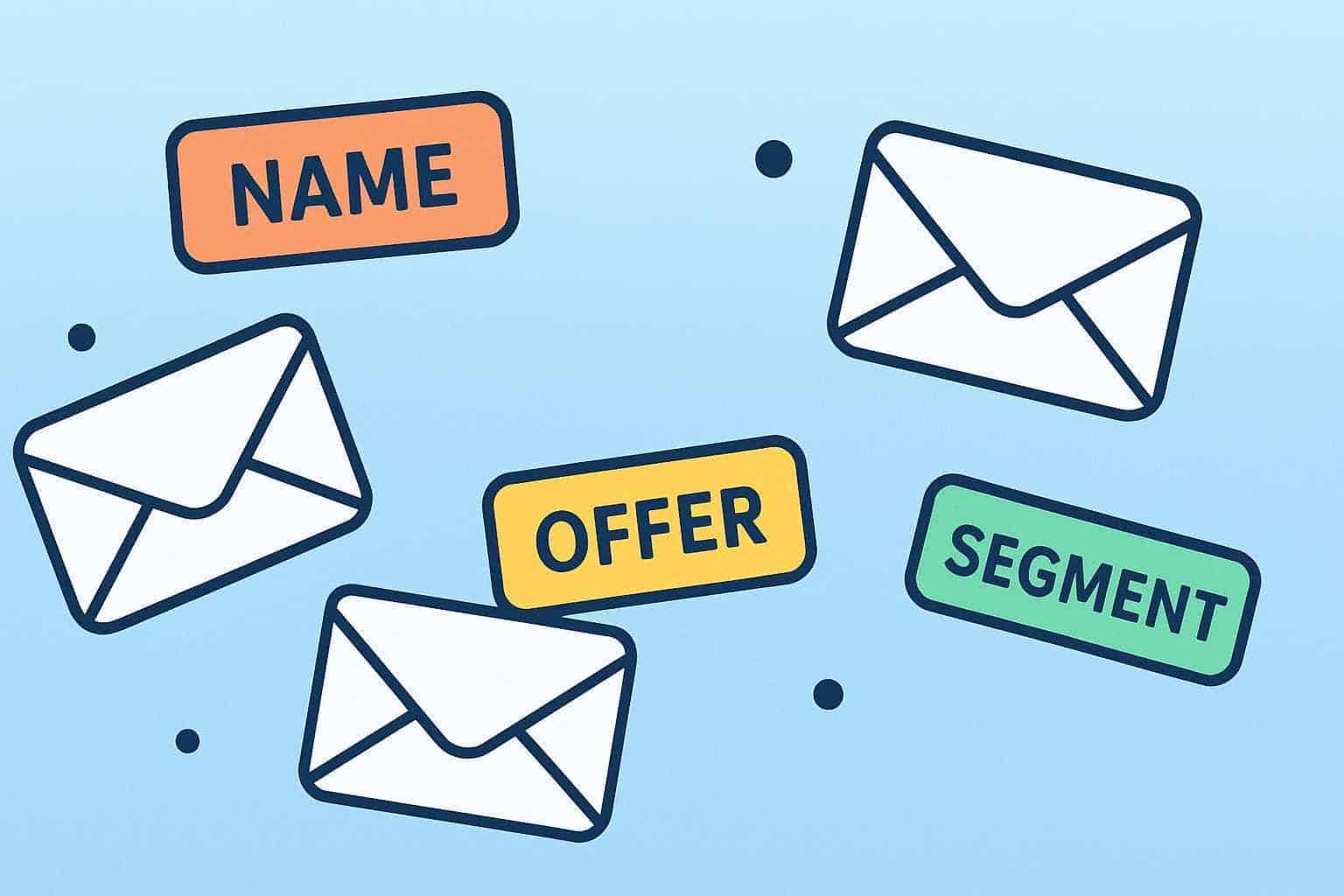
In today’s competitive market, personalized communication is more crucial than ever. Customers expect brands to understand their needs and preferences, making effective engagement a key to success. Personalized email templates are a powerful tool to achieve this goal.
By tailoring messages to specific customers, businesses can significantly enhance customer satisfaction and boost retention rates. Personalized email automation streamlines this process while maintaining authenticity. This approach creates meaningful connections that drive long-term business growth.
The Impact of Personalization on Customer Experience
Personalized email templates play a crucial role in improving customer satisfaction. When customers receive tailored messages, they feel valued and understood. This connection fosters a sense of trust and loyalty towards the brand.
For example, a simple acknowledgment of a customer’s birthday with a special offer can make them feel appreciated. This enhances their overall experience and strengthens brand affinity. Personalized email content transforms standard communications into memorable interactions.
Moreover, there is a strong correlation between personalization and customer retention rates. Businesses that employ personalized email templates in their email marketing strategies often see higher retention. A report from McKinsey & Company indicates that personalized communication can improve retention rates by up to 50%.
This increase not only boosts profits but also creates a more loyal customer base. Customer engagement emails help brands actively connect with their audiences. These strategies build lasting relationships that drive repeat business.
Statistics further highlight the effectiveness of personalized email templates in emails. Research shows that personalized email campaigns generate six times higher transaction rates compared to non-personalized messages. Additionally, emails with personalized subject lines are 26% more likely to be opened according to Experian.
These figures illustrate that customers are more likely to engage when they receive relevant and personalized digital communication. Personalized email templates help brands stand out in a crowded marketplace. This approach not only builds trust but also makes a brand more memorable.
Case Studies: Success Stories in Personalization
One prominent example comes from a well-known retail brand that harnessed the power of personalized email templates to boost sales significantly. By using customer purchase history, they crafted tailored messaging that highlighted items similar to previous purchases. This approach not only made customers feel valued but also resulted in a 25% increase in sales during targeted campaigns.
The strategic alignment between customer preferences and promotional content created a strong connection. Lead nurturing emails like these encourage repeat purchases through targeted messaging. This demonstrates how personalized email templates drive measurable business results.
A small business also demonstrated the effectiveness of personalization through strategic email campaigns. By leveraging customer data, they crafted compelling emails specifically addressing individual interests and preferences. This tailored approach led to a remarkable 40% increase in engagement rates.
Customers responded positively to the custom content, fostering a community and customer loyalty. This translated directly into higher sales figures and repeat visits. Personalized email templates help businesses of all sizes compete effectively.
An e-commerce platform showcased how tailored recommendations can enhance engagement and customer satisfaction. By analyzing browsing behavior, they sent automated emails featuring products tailored to what customers previously viewed. This timely and relevant outreach led to higher click-through rates and improved customer retention.
Case studies like these illustrate the potential of personalized email templates to transform customer interactions. They foster long-lasting relationships that benefit both customers and businesses. These success stories highlight the importance of personalized email marketing for driving revenue and reinforcing customer loyalty.
Measuring Success: KPIs for Personalized Email Campaigns
To gauge the effectiveness of personalized email templates, focusing on key performance indicators (KPIs) is essential. Open rates measure how many recipients opened your email, while click-through rates (CTR) indicate how many engaged with the content. High open rates suggest that your subject lines are resonating with user preferences.
Meanwhile, a strong CTR reveals that the email content is compelling and relevant. Email engagement metrics provide valuable insights into campaign performance. Analyzing this data helps refine personalization strategies for better results.
For instance, if certain demographics show higher engagement, you can tailor future campaigns based on this information. Tools like Google Analytics or email marketing platforms can offer detailed insights. These insights will allow businesses to understand what works and what doesn’t, ensuring ongoing improvements in marketing strategies.
A/B testing is invaluable in optimizing personalized email templates. By sending two variations of an email to a small segment of your audience, you can identify which version performs better. For example, businesses can test different subject lines or calls to action.
Click-through rate optimization through testing leads to more effective campaigns. This iterative process enhances customer loyalty over time. Tracking KPIs, analyzing data, and utilizing A/B testing are vital for measuring success in personalized email campaigns.
Overcoming Common Challenges in Personalization
Addressing privacy concerns is crucial when using personalized email templates. Customers today are wary of how their data is utilized. To handle this ethically, businesses must ensure transparency about data collection practices.
Clearly communicate how customer information will be used, and always offer an easy way to opt out. Building trust here can significantly enhance customer loyalty. Email campaign optimization includes respecting customer privacy preferences.
Maintaining a balance between automation and a personal touch can be tricky. Automated emails save time but can feel impersonal. One effective strategy is to incorporate personal elements even in automated messages.
For example, businesses can add recipient names or reference previous purchases. This small detail can create a more human connection while streamlining processes. Personalized email templates bridge the gap between efficiency and authenticity.
Dealing with low engagement rates, even after tailoring emails, requires a strategic approach. Regularly analyze the performance of personalized email templates to determine what resonates best with your audience. If certain segments show low engagement, consider re-evaluating your content or frequency.
Additionally, involving customers through surveys can provide insights into their preferences. Avoiding common pitfalls in email campaign optimization helps refine email strategies. This feedback-driven approach improves future campaign performance.
Incorporating feedback loops is another way to boost engagement. Prompt customers to share their opinions on the emails they receive. This not only helps improve future content but also promotes a sense of community.
Engaged customers feel valued and are more likely to remain loyal. This ultimately strengthens your brand through better personalized email templates. Best AI writing tools can help streamline content creation while maintaining personalization.
Best Practices for Ongoing Engagement
Continuous improvement in email marketing strategies is key to maintaining customer loyalty. Regularly analyzing campaign performance can reveal valuable insights about your personalized email templates. For instance, consider adjusting subject lines or testing new content formats.
This keeps your emails fresh and relevant to your audience. Successful email newsletters demonstrate the power of consistent, quality communication. Evolution and adaptation are essential for long-term email marketing success.
Feedback loops are crucial for adapting to customer preferences. Encourage your audience to share their thoughts through surveys or quick polls. If a customer suggests a new product feature, following up on that feedback shows you value their opinion.
For example, a clothing retailer that asks customers which styles they prefer may see higher engagement rates. This happens when they incorporate that feedback into their personalized email templates. Creating this dialogue strengthens the customer-brand relationship.
Building a community through follow-up emails is also valuable. After a purchase, send personalized thank-you emails along with exclusive offers. This not only makes customers feel appreciated but also invites them to engage with your brand further.
Creating special events, like VIP sales, can enhance this sense of community and encourage loyalty. The directory of AI applications can help automate these personalized touchpoints. Consider segmenting your audience based on engagement levels for maximum impact.
Tailor your communication strategies for highly engaged customers versus those who may need a gentle nudge. This personalized approach with customized email templates helps ensure your marketing resonates. Effective segmentation boosts retention and fosters a loyal customer base.
In Summary
Personalized email templates can significantly boost business growth by enhancing customer interactions. They foster loyalty and satisfaction, making customers more likely to return and engage with your brand. The data clearly shows that personalization drives measurable improvements in engagement and revenue.
Businesses should embrace personalized approaches in their email marketing strategies. Start by implementing personalized email templates that speak directly to individual customer needs and preferences. As we move forward, the future of customer loyalty will largely depend on how well companies can harness the power of personalization in their communications.
Related Articles

Monetizing Newsletters the Right Way in 2026
Newsletters are one of the most powerful revenue assets in digital marketing. Discover how to turn your audience into consistent income with smart strategies.
Read more
What Are the Best Email Subject Lines That Get Opened?
Your email might never get opened without the right hook. Best subject lines for emails make the difference between ignored and clicked. A strong subject line d…
Read more
How Automated Email Testing Can Transform Your Campaigns
Guessing what works in email marketing is risky. Automated email testing helps you find winning strategies faster.
Read more