
Subject Line Optimization for Email Marketing
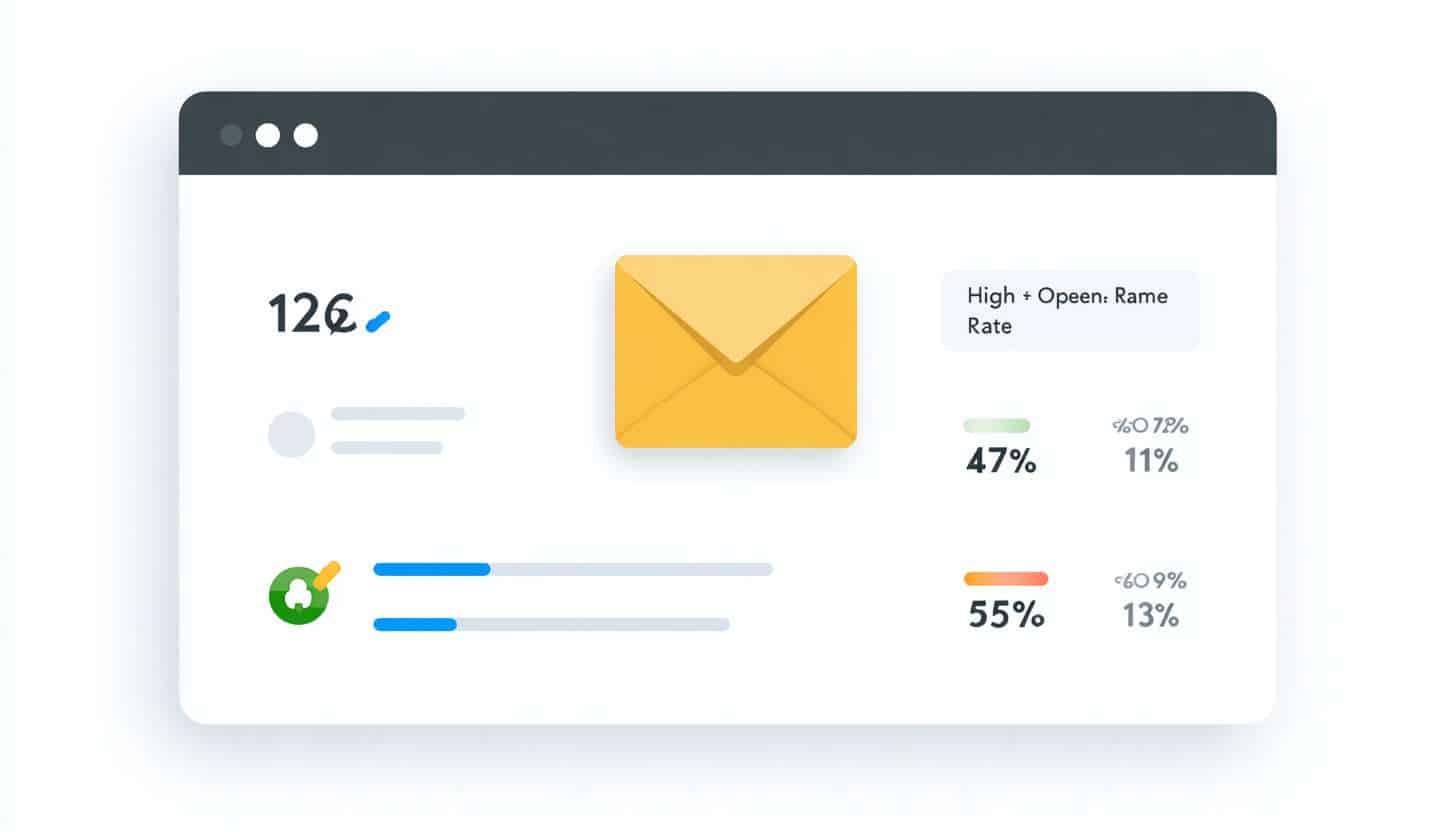
Email marketing success starts before your message is even opened. The subject line determines whether your carefully crafted content gets read or ignored. Subject line optimization is the strategic process of refining these critical first words to maximize open rates and engagement.
Why Subject Lines Matter More Than Ever
Your subject line competes with dozens of other emails in crowded inboxes. Studies show that 47% of recipients decide to open emails based solely on the subject line. A weak subject line wastes all the effort you put into creating valuable content inside.
The average person receives over 120 emails daily, making attention a scarce resource. Your subject line has mere seconds to capture interest and spark curiosity. Getting this right transforms your email marketing performance dramatically.
The Psychology Behind Effective Subject Lines
Understanding what makes people click requires insight into human psychology. Curiosity, urgency, and relevance are powerful motivators that drive action. When you trigger these emotions strategically, your open rates soar.
People respond to subject lines that promise value or solve problems. Personal connection matters too, as readers prefer messages that feel tailored to them. The most effective subject lines balance these psychological triggers without feeling manipulative.
Essential Elements of High-Converting Subject Lines
Great subject lines share several key characteristics that make them irresistible. Clarity ensures readers immediately understand what your email offers. Brevity respects their time while working within mobile preview limits.
Personalization makes each recipient feel the message was written for them. Relevance connects your offer to their needs and interests. Action-oriented language motivates immediate opens rather than postponement.
Length Guidelines That Actually Work
Subject line length directly impacts how much text displays across devices. Aim for 40-50 characters to ensure full visibility on mobile screens. Shorter isn’t always better if you sacrifice clarity or impact.
Test different lengths to find what resonates with your specific audience. Some industries perform better with ultra-short subject lines of 20-30 characters. Others need the full 50-60 character range to properly convey value.
Personalization Techniques That Boost Opens
Adding a recipient’s name increases open rates by an average of 26%. Beyond names, use location, purchase history, or behavior data for deeper personalization. The more relevant you make each subject line, the better your results.
Dynamic content allows you to create multiple versions targeting different segments. This approach works brilliantly when combined with lead nurturing emails that guide prospects through your funnel. Personalization shows you understand your audience’s unique needs.
Creating Urgency Without Being Pushy
Time-sensitive language motivates action when used appropriately and honestly. Phrases like “24 hours left” or “Limited spots available” work when they reflect reality. False urgency damages trust and hurts long-term relationships.
Scarcity triggers fear of missing out, a powerful psychological motivator. Use this technique sparingly to maintain credibility with your audience. Reserve urgent language for genuinely time-sensitive offers and opportunities.
Question-Based Subject Lines That Intrigue
Questions engage readers by prompting mental responses before they even open. “Ready to double your sales?” creates curiosity about the answer inside. This technique works especially well for educational or problem-solving content.
The best questions address specific pain points your audience experiences. Avoid generic questions that could apply to anyone in any industry. Make your questions so relevant that ignoring them feels impossible.
Numbers and Lists That Command Attention
Subject lines with numbers stand out in text-heavy inboxes. “5 Ways to Improve Your Marketing” provides clear expectations about content structure. Numbers suggest easily digestible, actionable information inside.
Odd numbers often perform better than even numbers in testing. Single digits (3, 5, 7) are particularly effective for subject lines. This approach pairs well with comprehensive email campaign optimization strategies.
Emoji Usage in Modern Email Marketing
Emojis add visual interest and personality when used strategically. A well-placed emoji can increase open rates by up to 56% in some industries. However, overuse makes your emails look unprofessional or spammy.
Test emojis with your specific audience to gauge receptiveness. B2B audiences often respond differently than B2C consumers to emoji usage. Choose emojis that reinforce your message rather than distract from it.
A/B Testing Your Subject Lines
Testing removes guesswork by showing what actually works with your audience. Compare two subject line variations to identify the stronger performer. Even small improvements compound over time into significant results.
Test one variable at a time to isolate what drives performance changes. Subject line testing should be an ongoing practice, not a one-time effort. Your audience’s preferences evolve, requiring continuous optimization and refinement.
Avoiding Spam Triggers and Filters
Certain words and patterns trigger spam filters that prevent delivery. ALL CAPS, excessive exclamation marks, and words like “FREE” raise red flags. Getting flagged as spam means zero opens regardless of subject line quality.
Maintain a healthy balance between engaging language and professional tone. Avoid using multiple spam trigger words in the same subject line. Remember that deliverability precedes optimization in importance.
Timing Your Emails for Maximum Impact
Subject line effectiveness varies based on when emails land in inboxes. Tuesday and Thursday mornings often see higher open rates across industries. However, your specific audience may have different patterns worth discovering.
Test send times systematically to find your optimal windows. Consider time zones when sending to geographically dispersed audiences. The best subject line still underperforms if sent at the wrong time.
Segmentation for Targeted Subject Lines
Different audience segments respond to different messaging approaches. New subscribers need different subject lines than long-time customers. Segmentation allows you to craft personalized email content that resonates with each group.
Behavioral segmentation based on past engagement patterns works particularly well. Purchase history, website activity, and email interactions guide subject line strategy. More relevant subject lines naturally achieve higher open rates.
Mobile Optimization Considerations
Over 60% of emails are opened on mobile devices first. Mobile screens display fewer characters, making every word count. Front-load the most important information to ensure visibility.
Preview text complements your subject line on mobile devices. Together, these elements create a compelling reason to open. Optimize both components as a unified message to mobile users.
Learning from Email Engagement Metrics
Open rates provide immediate feedback on subject line performance. However, email engagement metrics tell a more complete story about success. Monitor clicks, conversions, and unsubscribes to assess true impact.
A high open rate means nothing if recipients immediately delete your email. Track how subject line variations affect downstream metrics like click-through rates. This comprehensive view guides better optimization decisions over time.
Power Words That Drive Action
Certain words consistently outperform others in subject line testing. “You,” “Free,” “New,” “Proven,” and “Results” grab attention effectively. Action verbs like “Discover,” “Learn,” and “Get” motivate immediate opens.
Combine power words strategically without sounding like clickbait. Authenticity matters more than stuffing every power word into one subject line. Choose words that accurately represent your email content and brand voice.
Storytelling in Subject Lines
Brief narrative hooks create emotional connections before the email opens. “The mistake that cost me $10,000” promises a valuable lesson inside. Story-based subject lines tap into our natural love of narratives.
Keep story elements concise while maintaining intrigue and clarity. The subject line introduces the story; the email body delivers the payoff. This technique works brilliantly for customer engagement emails that build relationships.
Exclusivity and VIP Treatment
Making recipients feel special increases open rates and brand loyalty. “Exclusive offer for our top customers” triggers positive feelings of recognition. VIP language works especially well for loyalty programs and repeat customers.
Ensure your exclusive offers actually provide unique value to maintain trust. Empty promises of exclusivity quickly breed cynicism and unsubscribes. Deliver on the special treatment your subject lines promise.
Leveraging Social Proof
References to popularity and social validation build credibility and interest. “Join 10,000 marketers who opened this” creates compelling peer pressure. Social proof subject lines work best when numbers are genuinely impressive.
Testimonial snippets in subject lines can intrigue without giving everything away. “Sarah increased sales 200% with this strategy” promises valuable insights. This approach naturally leads to higher click-through rate optimization inside your emails.
Industry-Specific Best Practices
Different industries require different subject line approaches for maximum effectiveness. E-commerce often benefits from direct promotional language and scarcity messaging. B2B service providers typically need more educational, value-focused subject lines.
Research successful subject lines in your specific industry for inspiration. Adapt proven formulas to your unique brand voice and audience. What works in retail may fall flat in financial services.
Tools and Resources for Optimization
Subject line testing tools provide data-driven insights into performance. Many email marketing platforms include built-in A/B testing features. Dedicated subject line analyzers predict open rates based on historical data.
For comprehensive optimization across all email elements, explore this list of AI tools website that streamlines your workflow. These resources help you test faster and implement winning formulas. Automation tools can even generate subject line variations for testing.
Common Mistakes to Avoid
Misleading subject lines damage trust even if they temporarily boost opens. Promising content you don’t deliver leads to immediate unsubscribes. Always ensure your subject line accurately represents email contents.
Being too clever or vague frustrates readers who value their time. Clarity should never be sacrificed for creativity or wordplay. Test unconventional approaches carefully before rolling them out widely.
Creating Templates for Consistency
Developing personalized email templates includes subject line frameworks that maintain quality. Templates ensure brand consistency while allowing customization for specific campaigns. Document what works to build your optimization playbook.
Create swipe files of your best-performing subject lines organized by type. Reference these when crafting new campaigns to maintain high standards. Templates speed up creation without sacrificing effectiveness.
Integrating Automation
Automated email sequences need optimized subject lines at every touchpoint. Automated email writing tools can suggest subject line variations based on performance data. However, human judgment remains essential for final approval.
Set up automated A/B tests that run continuously across campaigns. Use winning formulas automatically while still testing new approaches. Automation handles repetitive optimization work, freeing you for strategy.
Measuring ROI of Optimization Efforts
Track how subject line improvements affect overall email marketing revenue. Better open rates should translate to more clicks and conversions. Calculate the revenue lift from optimization to justify continued investment.
Compare performance before and after implementing optimization practices systematically. Document specific changes and their impact on key metrics. This data proves the value of ongoing subject line refinement.
Continuous Improvement Strategies
Email marketing excellence requires consistent testing and refinement over time. Set a schedule for regular subject line audits and optimization reviews. Stay current with emerging trends while maintaining proven best practices.
Your audience’s preferences shift as markets and technologies evolve constantly. Commit to continuous learning through testing, industry research, and performance analysis. The best email marketers never stop optimizing their subject lines.
Subject line optimization transforms email marketing performance through strategic, data-driven refinement. Master these techniques to dramatically increase opens, engagement, and revenue. Start testing today to discover what resonates most with your unique audience.
Related Articles

Monetizing Newsletters the Right Way in 2026
Newsletters are one of the most powerful revenue assets in digital marketing. Discover how to turn your audience into consistent income with smart strategies.
Read more
What Are the Best Email Subject Lines That Get Opened?
Your email might never get opened without the right hook. Best subject lines for emails make the difference between ignored and clicked. A strong subject line d…
Read more
How Automated Email Testing Can Transform Your Campaigns
Guessing what works in email marketing is risky. Automated email testing helps you find winning strategies faster.
Read more