
The 4 P’s of Branding Every Brand Needs
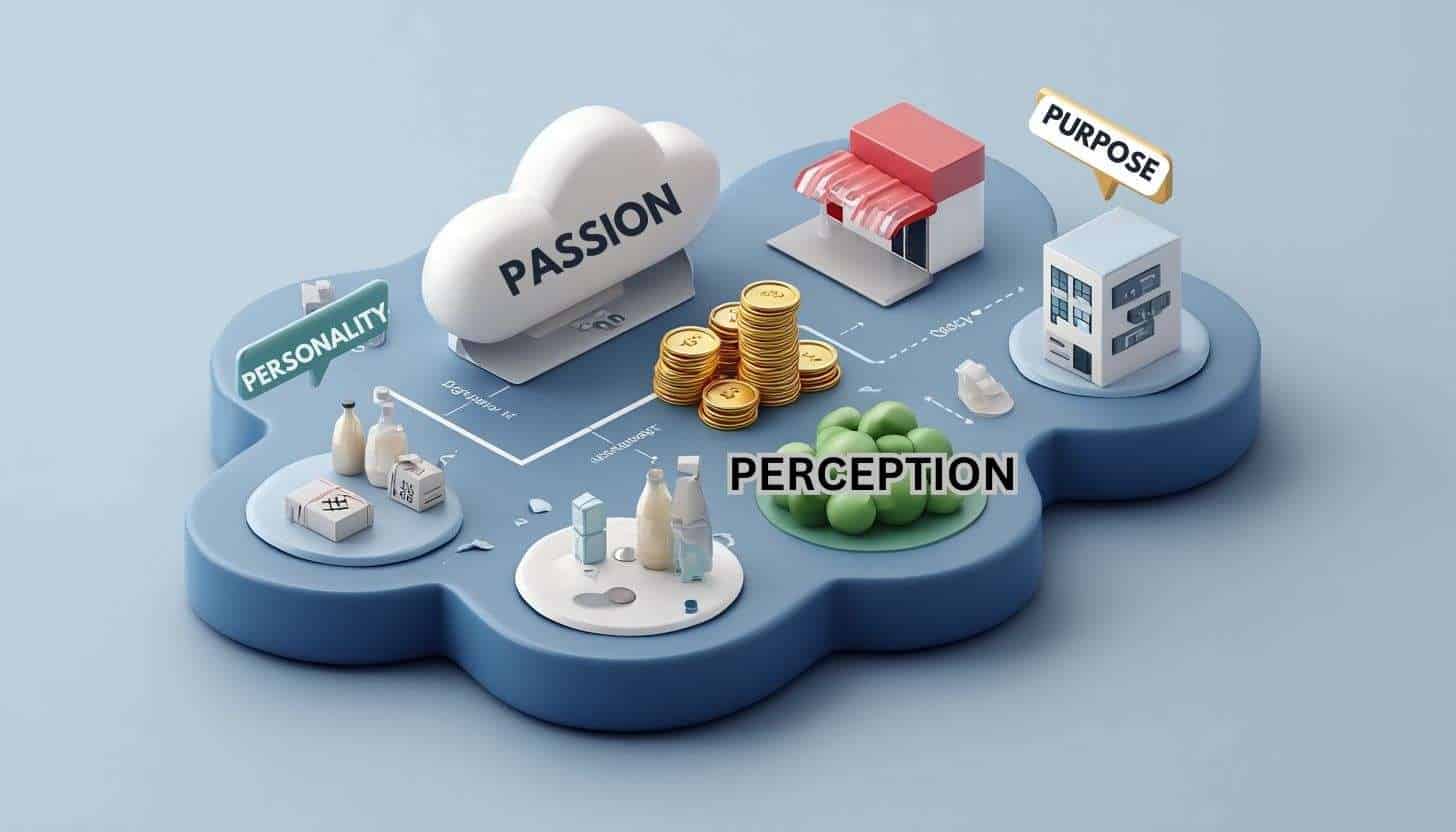
In today’s fast-paced world, personal branding is no longer a luxury; it’s a necessity. With fierce competition in every field, understanding how to differentiate yourself is key to your professional success. The 4 P’s of branding (Passion, Purpose, Personality, and Perception) serve as foundational tools for establishing a memorable personal brand.
Surprisingly, many overlook the power of perception, believing it only stems from their accomplishments. However, how others view you often shapes opportunity more than skills alone. Understanding these core elements can transform how you present yourself professionally.
1. Passion
Passion is the driving force behind a successful brand. It goes beyond mere interest; it connects with your core values and fuels your ambition. By identifying what excites you, you can shape a professional identity that resonates with authenticity.
Consider how Gary Vaynerchuk built his brand around his passion for entrepreneurship and social media. He didn’t just talk about business; he lived it, and this genuine enthusiasm attracted a loyal audience. This demonstrates the power of authentic passion in building brand loyalty advantages.
Understanding how passion influences your branding is crucial. When you align your passion with your unique selling proposition, you create a strong foundation for your brand. This alignment is one of the key effective branding techniques that successful professionals use.
For instance, Marie Forleo turned her love for helping others into a thriving business and personal brand. Her zest for empowering individuals shines through in her content, making her an influential figure in the entrepreneurial space. This alignment not only defines her brand but also inspires others to follow suit.
It’s also important to remember that passion evolves. As you grow personally and professionally, your interests might shift. Regularly exploring what excites you can help keep your brand relevant.
Your passion can guide your decisions, from the projects you take on to the audience you target. This evolution is not just natural; it’s necessary for maintaining a dynamic personal brand. When you focus on your passion, you invite others to share in that enthusiasm.
This engagement is vital for building a community around your brand. People are drawn to authenticity and will likely support a brand that reflects genuine interest. Ultimately, harnessing your passion serves as the first step in mastering the 4 P’s of branding, setting the stage for a powerful professional identity.
2. Purpose
Understanding your purpose is crucial in shaping your brand identity definition. It goes beyond simply identifying what you do; it’s about recognizing the impact you wish to have in your field. For instance, consider a nonprofit leader whose aim is to combat homelessness.
Their purpose fuels their passion and provides a clear direction for their branding efforts, which resonates deeply with their audience. This clarity helps create a compelling narrative that attracts supporters. According to Harvard Business Review, purpose-driven brands achieve stronger customer connections and loyalty.
Aligning your personal attributes with your branding strategy strengthens your overall message. If your core values include empathy and community service, your brand should reflect these traits. An entrepreneur in sustainable fashion, for example, may emphasize eco-friendly practices and social responsibility in their branding.
This alignment creates authenticity, allowing your target audience to connect on a deeper level. Understanding the difference between brand identity vs brand image helps maintain consistency across all touchpoints. Your purpose serves as the foundation for all your branding decisions.
Crafting a mission statement is a vital step in defining your unique purpose. A well-articulated mission statement acts as a compass for your brand’s direction. It should be concise, impactful, and reflective of your vision.
Consider the mission of Coca-Cola, which focuses on making moments of optimism and happiness. This simple yet powerful statement influences their branding and marketing decisions, showcasing a clear purpose that resonates globally. Having a strong sense of purpose not only enhances your personal brand but also differentiates you in a crowded marketplace.
When your audience understands your “why,” they are more likely to support you and become loyal advocates. This connection can elevate your image, making your brand memorable and meaningful in the long run. The benefits of personal branding become evident when purpose drives every action.
3. Personality
Your personality is what makes your brand uniquely yours and sets you apart from competitors. It encompasses your communication style, visual aesthetics, and the overall vibe you project to your audience. Infusing your authentic personality into your brand creates memorable experiences that resonate with people on a human level.
Personality in branding manifests through your choice of words, tone of voice, and even your visual branding elements. Whether you’re witty and playful or serious and professional, consistency in how you express yourself builds recognition. Your personality should shine through in every piece of content you create, from social media posts to email newsletters.
Think about how brands like Wendy’s use a sassy, humorous personality on Twitter to stand out in the fast-food industry. Their bold approach attracts attention and creates a distinctive brand voice that people remember. Similarly, your personal brand should reflect who you truly are, not who you think you should be.
Being authentic with your personality builds trust and creates deeper connections with your audience. People can sense when someone is being genuine versus putting on a facade. Staying true to yourself while being professional creates a brand that feels real and relatable.
Your personality also influences how you interact with your community and handle challenges. Whether you respond to criticism with grace or celebrate wins with enthusiasm, these moments reveal your character. These authentic expressions of personality contribute significantly to how people perceive and remember your brand.
4. Perception
Managing how others view your brand is crucial in today’s digital landscape. A strong perception can open doors to opportunities while a weak image can hinder your progress. Your audience’s perception is often based on their experiences and interactions with you.
Therefore, it’s essential to create a consistent and positive image that resonates with your target demographic. Understanding brand image meaning helps you craft intentional messages that shape how others see you. Every touchpoint with your audience contributes to their overall perception of your brand.
Building a memorable image begins with clarity in your branding strategy. Start by defining what you want your audience to associate with your name. Consider how successful brands like Nike leverage storytelling to create emotional connections.
They don’t just sell products; they sell a lifestyle. You can adopt a similar approach by using your personal experiences to forge deeper connections with your audience. Remember, people relate to stories, so share yours authentically.
Social media offers unique opportunities for enhancing brand perception. Use platforms like Instagram or LinkedIn to showcase your expertise and values. Audience engagement is essential here.
Respond to comments and participate in discussions related to your field. This not only humanizes your brand but also demonstrates that you value your audience’s input. For instance, when Gary Vaynerchuk actively engages with his followers, he reinforces his brand as approachable and knowledgeable.
Regularly assess and adapt your perception strategy to stay relevant. You may find that your audience responds better to certain messaging or visuals. Embrace feedback as an opportunity for growth.
Tools like surveys or social media analytics can provide insights into how well your branding strategy resonates. Over time, refining your perception will help build lasting relationships and enhance your overall brand impact. Forbes reports that actively managing brand perception leads to increased customer trust and business success.
Integrating the 4 P’s
To weave the 4 P’s of branding (Passion, Purpose, Personality, and Perception) into a cohesive strategy, start by mapping out how each element interacts with the others. Begin by aligning your passion with your purpose. This ensures that your work is not only driven by what you love but also reflects a mission that resonates with your audience.
For instance, a fitness coach may be passionate about helping others achieve health goals, which becomes their purpose in promoting a healthier lifestyle. These interconnected elements create a strong foundation for your brand. Understanding the essentials of branding helps you integrate all components effectively.
Next, infuse your personality into every touchpoint of your brand. Share storytelling elements that illustrate your journey. A great example is Oprah Winfrey, who has built a powerful personal brand by combining her passion for storytelling, her purpose of empowering others, and her authentic personality.
Her brand transcends beyond her television show. It resonates through her podcast, books, and philanthropic efforts, showcasing a unified brand narrative built on the 4 P’s of branding. This holistic approach creates a memorable and impactful presence.
As you grow professionally, regularly revisit and refine your brand. Monitor feedback to adapt your branding strategy without losing your core essence. Consider how Richard Branson, founder of the Virgin Group, consistently updates his image while remaining true to his adventurous spirit.
He adeptly manages his perception through social media, sharing both professional triumphs and personal passions, thereby creating a relatable persona. Modern tools can help streamline this process; you can even create a stunning brand identity with AI to enhance your visual consistency. This approach allows you to maintain authenticity while adapting to changing landscapes.
Don’t hesitate to experiment. Branding is not static; it evolves. Practical approaches, like setting quarterly goals to assess how well you’re integrating the 4 P’s of branding, can help streamline your strategy.
Utilize tools like surveys or social media metrics to gather insights and adapt as needed. Embedding the 4 P’s of branding into your identity is an ongoing journey, and each adjustment can further strengthen your unique brand narrative. Exploring a directory of AI applications can provide innovative solutions to enhance your branding efforts.
Actionable Steps
To effectively identify your 4 P’s of branding, start with reflective exercises. Write down your passions and list activities that excite you. Next, consider the impact you want to have in your field.
This will help clarify your purpose. Utilize tools like mind mapping to visualize connections between your interests and values. These exercises create clarity and direction for your branding journey.
Setting goals is essential for any branding journey. Begin with short-term goals, such as creating a personal logo or social media profile. Then, establish long-term goals, like launching a website or publishing content regularly.
This layered approach allows you to build a strong foundation while aiming for growth. Breaking down larger objectives into manageable steps makes the process less overwhelming. Consistent progress leads to meaningful results over time.
Various resources can support your branding efforts. Online courses on platforms like Coursera and LinkedIn Learning offer insights into personal branding strategies. Books like “Building a StoryBrand” by Donald Miller can provide practical frameworks.
Join networking groups or online forums to connect with like-minded individuals who can offer feedback and encouragement. These communities provide valuable support and accountability. Learning from others’ experiences accelerates your own branding development.
Incorporating these actionable steps into your routine will strengthen your brand’s core elements. Regularly revisit and refine your 4 P’s of branding as you grow. Your personal brand is not static; it evolves with you.
Embrace the journey and watch your image elevate in an increasingly competitive landscape. Commitment to continuous improvement ensures long-term success. The effort you invest today shapes the opportunities you’ll have tomorrow.
In Summary
Mastering the 4 P’s of branding (Passion, Purpose, Personality, and Perception) is essential for building a strong personal brand. These elements not only help you define your identity but also shape how others perceive you in a competitive landscape. Taking actionable steps now can set the foundation for long-term success.
Remember, a well-crafted personal brand can open doors, create opportunities, and lead to unexpected connections in your career journey. Embrace the process, and watch how your unique brand can resonate with others in ways you never thought possible. Your commitment to developing these four pillars will distinguish you from the competition and create lasting impact.
Related Articles

Unlock Your Brand Potential with Brandmark AI: The Ultimate Creation Tool
Welcome to Brandmark AI, the future of brand creation! In a world where first impressions matter more than ever, crafting a unique brand identity is crucialR…
Read more
Identity V AI: Transforming Personal Identity in the Digital Age
In today’s digital landscape, the battle of “identity v AI” is more relevant than ever. Our understanding of identity is evolving, influenced …
Read more
What Do the Best Brand Story Examples Have in Common?
The best brand stories go beyond marketing—they create emotional connections that customers remember. By understanding the structure and principles behind succe…
Read more