
The Art of Algorithms: 7 Unique AI Artwork Examples
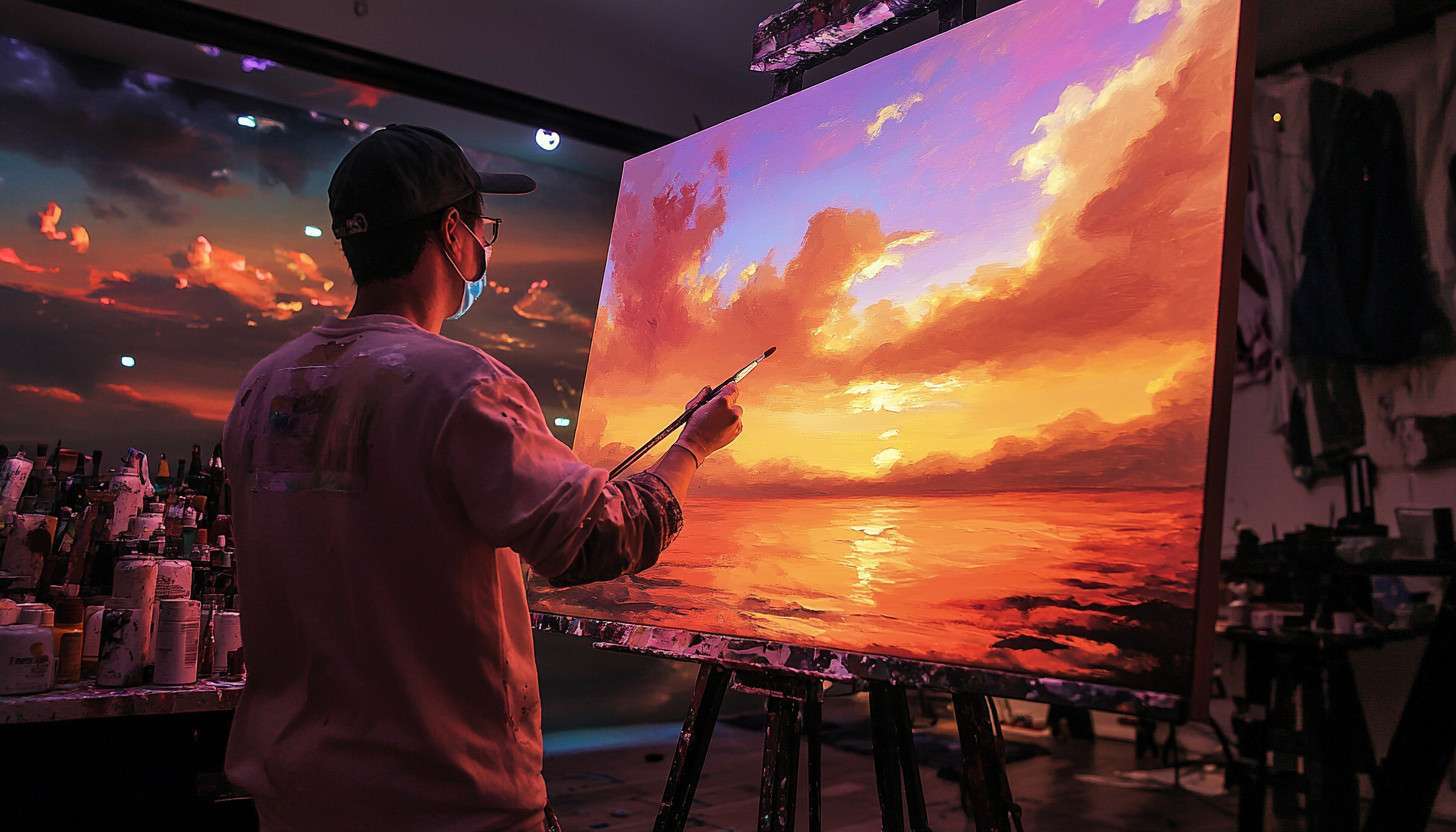
Artificial intelligence is reshaping the art world in fascinating ways. The rise of AI artwork examples showcases how technology and creativity can merge to create stunning pieces through an innovative AI artwork generator. In this evolving landscape, artists are exploring new frontiers with artificial intelligence art.
These innovative works challenge our understanding of creativity and push the boundaries of traditional art forms. Many creators are turning to resources like the best AI tools directory to discover new options for their artistic endeavors. Join us as we delve into seven unique AI artwork examples that highlight this exciting intersection of technology and artistic expression.
The Evolution of AI Art
The journey of AI in the art world began in the 1960s, when computer scientists started experimenting with algorithms to generate art. Early projects like Harold Cohen’s AARON marked the inception of algorithmic art, showcasing how machines could create images autonomously. These initial steps laid the groundwork for the rich landscape of AI artwork examples we see today.

By the 1990s, advancements in machine learning and computational power transformed the possibilities for AI artwork. One significant milestone was the development of generative adversarial networks (GANs) by Ian Goodfellow in 2014. This breakthrough enabled machines to create more sophisticated and realistic images, pushing the boundaries of what algorithmic art could achieve.
As we moved into the 21st century, artists began to embrace these technologies in their creative processes. Notable projects, such as Refik Anadol’s “Archive Dreaming,” showcased how large datasets could be transformed into stunning visual experiences through AI. These developments demonstrate a growing synergy between technology and creativity, paving the way for a new era of artistic expression through AI artwork examples.
Notable Artists Pioneering AI Artwork
Several artists are at the forefront of the AI artwork movement, pushing boundaries through creative coding. One notable figure is Refik Anadol, whose work combines data and machine learning to create stunning visual experiences. His installations often reflect the dynamic nature of data, transforming it into immersive art that captivates audiences worldwide.
Another prominent artist is Mario Klingemann, known for his innovative use of neural networks and algorithms. He explores the relationship between machine learning and creativity, creating pieces that challenge traditional perceptions of art. Klingemann’s work often invites viewers to question the role of the artist versus the algorithm, sparking important discussions about authorship in the digital age.
Anna Ridler also stands out as a pioneer in AI artwork, blending storytelling with technology. She creates unique narratives through her projects, utilizing machine learning to generate visuals that resonate with human emotions. Ridler’s approach highlights how automatic photo editing AI can serve as a tool for deeper expression, showcasing the potential of algorithms in art-making.
These artists exemplify how creative coding can enhance artistic expression while pushing the limits of what art can be. Their unique approaches to integrating algorithms not only redefine the creative process but also invite others to explore the intersection of technology and artistry. As they continue to innovate, their contributions will undoubtedly shape the future of AI artwork.
Case Study: DeepDream by Google
DeepDream is an AI algorithm developed by Google that transforms images into surreal, dream-like visuals. It uses a convolutional neural network to enhance and modify the features it recognizes within images. This results in captivating patterns and shapes that often resemble animals, flowers, or other intricate designs, creating unique AI artwork examples.

One notable application of DeepDream involved a simple landscape photograph. When processed through the algorithm, the image morphed into a vibrant tapestry of swirling colors and abstract forms. The final output resembled a psychedelic interpretation of nature, showcasing how generative art can push the boundaries of traditional photography.
Another fascinating example comes from a portrait created using DeepDream. The algorithm transformed a standard human face into a kaleidoscope of colors and textures, making it appear as if it were part of a fantastical world. Such examples highlight the innovative potential of AI-based photo editing and how technology can inspire new artistic expressions.
Overall, DeepDream exemplifies the exciting intersection of technology and creativity. Its ability to reinterpret visuals allows artists to explore new avenues in generative art. As more creators experiment with this algorithm, we can expect to see even more stunning AI artwork examples emerge in the future.
The Role of Machine Learning in Art Creation
Machine learning in art has become a vital tool for many artists today. It enhances artistic processes by allowing creators to explore new dimensions of creativity. Artists can generate unique visuals that push the boundaries of traditional methods, bringing fresh ideas to life.
One specific technique that artists often employ is neural style transfer. This method uses machine learning algorithms to apply the style of one image to the content of another. For example, an artist can take a photograph and render it in the style of a famous painting, creating a stunning fusion of old and new art forms.
Another exciting application of machine learning in art is generative adversarial networks (GANs). GANs consist of two neural networks that work against each other to create realistic images. Artists have used this technique to produce everything from abstract compositions to lifelike portraits, showcasing the versatility of automated graphic design in contemporary artistic practice.
Machine learning in art opens up endless possibilities for exploration and experimentation. By leveraging advanced algorithms, artists can break free from conventional limitations. This innovative approach not only enriches their work but also invites viewers to engage with art in novel ways.
Collaborative Projects Between Artists and AI
Collaboration between artists and AI has led to some remarkable AI artwork examples. These projects often blend human creativity with machine precision, resulting in unique digital artistry.

One notable collaboration is between artist Mario Klingemann and an AI system called GAN (Generative Adversarial Network). Klingemann used GAN to create mesmerizing portraits that challenge traditional aesthetics, demonstrating the capabilities of AI painting software in producing compelling visual works.
Another exciting example is the project by Refik Anadol, who integrates AI with large data sets to create immersive installations. His work transforms architectural spaces into dynamic canvases, showcasing how AI can enhance visual storytelling. The outcomes of such collaborations are not just visually stunning but also provoke thought about the role of technology in art.
The creative process in these partnerships varies significantly. Artists often guide AI by providing initial inputs or setting parameters that influence the final outcome. This interplay allows for unexpected results, where both the artist and the AI learn from each other, enriching the artistic experience and expanding the boundaries of digital artistry.
The Impact of AI Artwork on Traditional Art Forms
AI artwork significantly challenges conventional notions of art. It questions what it means to be an artist and whether creativity can be replicated by algorithms. This shift has sparked discussions about the essence of art itself, as AI-generated pieces often blur the lines between human creativity and machine learning.
The traditional art community has had mixed reactions to the rise of AI artwork. Some artists embrace these new technologies, seeing them as tools for collaboration that can enhance their creative processes. Others, however, express concern over the authenticity of AI-generated pieces, fearing that it diminishes the value of human-made art.
One notable example is the controversy surrounding the auction of an AI-generated painting titled “Edmond de Belamy.” This piece, created using a collaborative project involving an algorithm, fetched an impressive price at auction, raising eyebrows in the art world. Many traditionalists questioned if a machine could truly create art worthy of such recognition, while proponents pointed to the AI drawing software as simply another medium in the artistic toolbox.
As AI continues to evolve, its impact on traditional art will likely deepen. Artists may find themselves integrating collaborative projects with AI into their practices more frequently. This integration could lead to innovative expressions that challenge our understanding of creativity while preserving the core values of traditional artistry.
Ethical Considerations in AI Art
The rise of AI artwork has sparked significant discussions about copyright and ownership. Many artists worry about who holds the rights to a piece created by an algorithm.

If a machine generates an artwork, is it the programmer, the user, or the AI itself that owns the creation? This complexity raises important questions about the legal framework surrounding innovative technology in art.
Additionally, the authenticity of AI-generated art is a hotly debated topic. Some purists argue that art must come from human experience and emotion, while others embrace AI as a new tool for creative expression.
As AI artwork examples continue to emerge, they challenge traditional notions of what constitutes “real” art and prompt us to reconsider our definitions of creativity. Moreover, this debate extends to the value placed on AI artwork compared to traditional pieces, with many experts highlighting the digital art advantages such as reproducibility, adaptability, and accessibility.
Moreover, this debate extends to the value placed on AI artwork compared to traditional pieces. Collectors and galleries are now faced with the decision of how to evaluate these digital creations. The perception of value may change as society begins to accept AI as a legitimate contributor to the art world, but this shift requires careful navigation of ethical considerations surrounding authorship and originality.
As we explore these ethical implications, it becomes clear that innovative technology in art is reshaping not just how we create but also how we perceive and appreciate art itself. Understanding these nuances will be crucial for artists, collectors, and enthusiasts alike as they engage with this evolving landscape.
Future Trends in AI Artwork
The future of art is poised for significant transformation as AI continues to evolve. Artists are likely to embrace more sophisticated algorithms that can generate artwork with greater complexity and nuance. This evolution will likely enhance creative expression, pushing the boundaries of what art can be.
One exciting trend is the integration of augmented reality (AR) with AI artwork. This combination allows viewers to engage with art in immersive ways, creating interactive experiences. As artists adopt AR technology, the future of art may shift towards installations that merge physical and digital realms, inviting audiences to participate in the artistic process.
Additionally, advancements in generative adversarial networks (GANs) are set to redefine the landscape of AI artwork. These algorithms have shown promise in producing unique styles and compositions that mimic human creativity. As GANs become more refined, they could enable artists to explore new aesthetics and create works that challenge traditional artistic conventions through innovative art transfer techniques.
Moreover, collaboration between AI and human artists will likely become more prevalent. This partnership can lead to innovative approaches, where AI serves as both a tool and a co-creator. As we look to the future of art, these collaborations may yield groundbreaking pieces that inspire and provoke thought about the role of technology in creativity.
In Summary
The exploration of AI artwork examples shows us the transformative power of technology in the art world. AI is not just a tool; it is a partner in creativity that can inspire new ideas and forms of expression. As artists and creators embrace AI artwork examples, they open doors to innovative possibilities and unique creations.
We encourage all artists to experiment with AI as a medium for their work. The journey into AI artwork examples can lead to exciting discoveries and collaborations. Embracing this technology will help shape the future of art in ways we have yet to imagine.
Related Articles
Is Character AI Generative AI? How It Works and What It Creates
Is Character AI generative AI? Yes. It creates original text responses from your prompts, conversation context, and patterns learned during training. Instead…
Read more
I for One Welcome Our AI Overlords: Meaning, Origin, and AI Culture
“I for one welcome our AI overlords” sounds like a joke because it is one—usually. The phrase signals ironic enthusiasm, reluctant acceptance, or humorous su…
Read more
What Are AI Skills? Essential Abilities for Today’s Workplace and Business
If you’ve wondered, what are AI skills, the answer goes beyond coding or building robots. AI skills are the practical abilities to understand what AI can do,…
Read more