
The Ethics of AI Art: Who Owns Your Imagination?
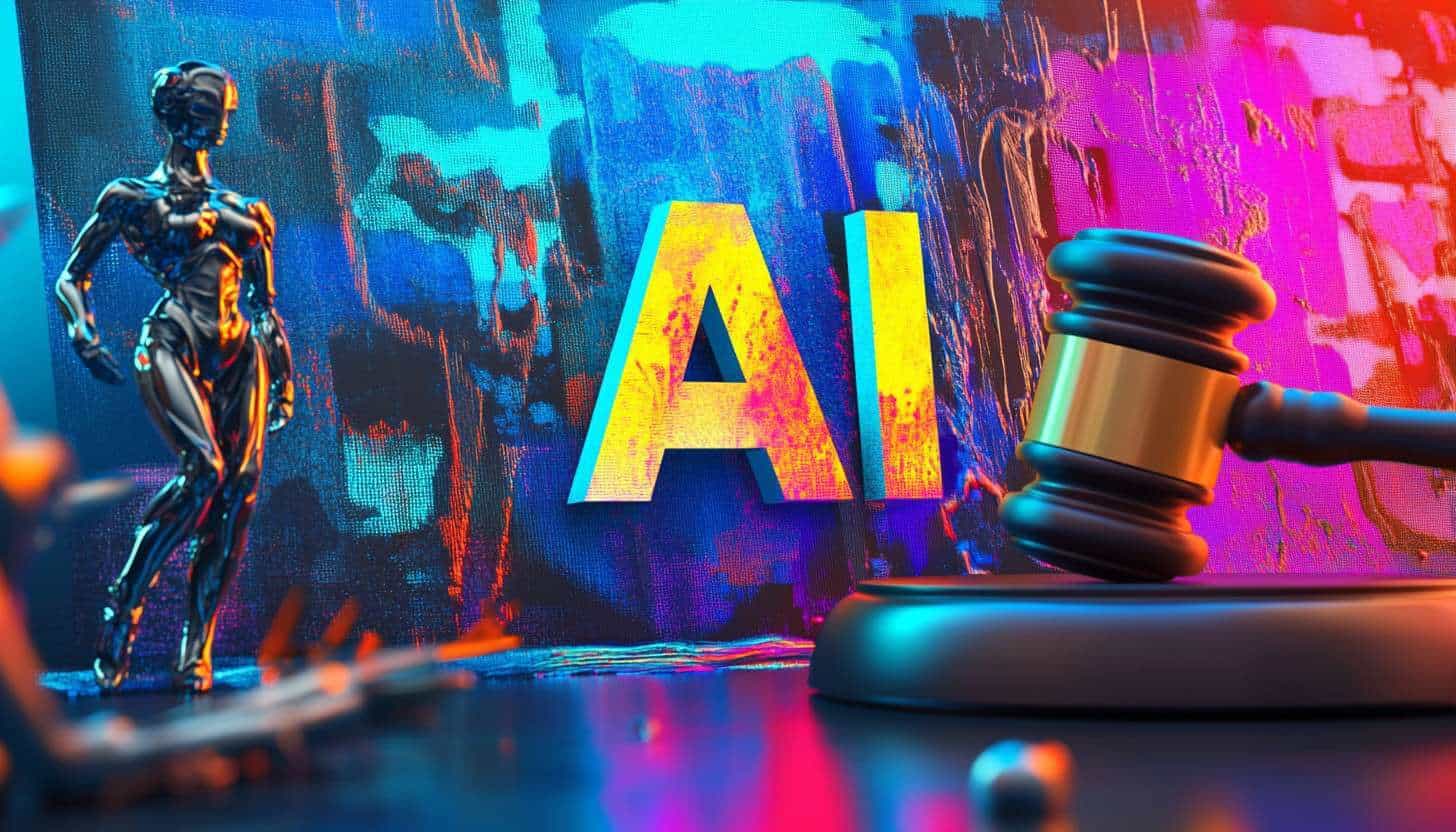
The world watches as AI-generated art takes center stage. Artists and tech enthusiasts marvel at the vibrant images created by algorithms. These pieces challenge the boundaries of creativity. They push us to rethink what art is and who creates it. With each new work, the debate grows louder. The question of ownership looms large. Who owns the imagination behind these creations?
This rise in AI art brings with it a host of ethical implications. The ethics of AI art demand our attention. Intellectual property rights come into play. Laws struggle to keep pace with technology. Traditional artists watch closely. They wonder how their craft fits into this evolving landscape.
As machines learn and create, we must examine the impact on human expression. The conversation is urgent. We stand at a crossroads, where art and technology intersect. What happens next shapes the future for all creators.
The Definition of AI Art
AI-generated art emerges from a blend of algorithms and data. It results from programs that analyze vast amounts of existing art to create something new. This process differs from traditional art, where the artist’s hand guides the work. In AI art, the machine takes the lead. It uses patterns and styles drawn from previous works but does not experience inspiration as a human does. The distinction is clear. Human artists rely on emotion and personal experience. Machines rely on data and computation.
Popular platforms like DALL-E and Midjourney showcase this shift. They allow users to input text prompts, and the AI generates images in response. Artists can create stunning visuals without lifting a brush or pencil. These technologies change how we think about creation. They raise questions about ownership of art. If a machine produces a piece, who owns it? The programmer? The user? Or is it a shared creation?
The line between inspiration and plagiarism becomes blurred in this context. When an AI generates art based on existing styles, it can mimic the works of famous artists. This raises ethical concerns. Is the AI inspired by the original work, or is it copying? Case studies of controversial pieces highlight this issue. Some AI-generated art has sparked debates over originality and creativity. Critics argue that without a soul behind the work, it lacks true artistic value.
As we explore AI-generated art, we must consider its implications for the future of creativity. The rise of these technologies challenges traditional notions of artistry. They push us to redefine what it means to create. The conversation around AI art has just begun. It will shape the landscape of art in ways we cannot yet fully understand.
Inspiration vs. Plagiarism

In the digital age, art evolves. The lines blur between inspiration and plagiarism. Artists often draw from existing works to create something new. They study styles. They replicate techniques. Yet, when an algorithm generates a piece that mirrors another artist’s work, questions arise. Is it inspiration? Or is it theft? The debate grows as AI art becomes more prevalent.
Consider the case of an AI-generated painting that resembles a famous piece by Van Gogh. The colors are similar. The brushstrokes echo his style. Critics argue it lacks originality. Others see it as a tribute. This tension illustrates the fine line between drawing from the past and copying it. The conversation intensifies as more AI platforms emerge, each producing works that reflect their training data—much of which comes from human-made art.
Creativity in the context of AI raises further questions. What does it mean to create? Traditional artists imbue their work with personal experiences and emotions. AI lacks this depth. It analyzes patterns and generates outputs based on data. Still, some argue that creativity and technology can coexist. Collaboration between human artists and AI may lead to fresh perspectives. The definition of creativity shifts as we adapt to these new tools.
As we navigate this landscape, we must consider the implications. Artists face challenges in protecting their work against unintentional mimicry by algorithms. The ethical responsibility lies with both creators and developers. They must foster an environment where inspiration flourishes without crossing into plagiarism. This ongoing dialogue will shape the future of art in a world increasingly influenced by technology.
Intellectual Property Rights
The rise of AI-generated art brings new questions about intellectual property. Current laws struggle to keep pace with technology. Traditionally, copyright protects the creator. But what happens when an algorithm creates the work? Who holds the rights to that piece? This question sits at the heart of the debate. Some argue that the programmer retains the rights. Others believe that the AI itself should own its creations. The law has not yet provided a clear answer.
Artists face uncertainty in this landscape. They worry about their rights being undermined by machines. A piece created by an AI may borrow heavily from existing works. This raises concerns about plagiarism and fair use. Legal professionals must navigate these murky waters. They often find themselves in uncharted territory. Cases like that of “Edmond de Belamy,” an AI-generated portrait auctioned for $432,500, highlight these issues. Who benefits from such sales? The artist, the programmer, or the AI? The implications for consumer impact are profound.
Legal frameworks will need to adapt. Intellectual property laws must evolve to address these challenges. Traditional definitions of authorship may no longer suffice. New regulations may emerge to protect artist rights while acknowledging AI’s role in creation. As this dialogue continues, the art community watches closely. The outcome could shape how we view creativity itself.
The conversation about ownership is ongoing. Artists and technologists must engage in this discourse. They must find common ground on what it means to create in this age of AI. The future will depend on how society chooses to define authorship and ownership in a world where machines can generate art.
The Role of Artists in the Age of AI

Traditional artists face a new landscape. AI-generated art rises. Some artists resist. They see AI as a threat. Others embrace it. They recognize the potential for collaboration. This shift brings both challenges and opportunities. Artists now explore how to use AI as a tool rather than a replacement. They create unique works that blend human creativity with machine learning.
Collaboration between human artists and AI can lead to remarkable outcomes. For instance, artists use AI algorithms to generate images that serve as inspiration. They refine these images, adding personal touches that reflect their style. This partnership can push boundaries. It expands the definition of what art can be. The creative process becomes a dialogue between human intuition and algorithmic precision.
As artists adapt, the meaning of being an artist evolves. No longer is artistry confined to traditional methods. Now, artists must navigate copyright issues that arise from AI-generated works. Questions about authorship and ownership linger. Who is the true creator? The artist or the machine? The answer is not clear-cut. It sparks discussions about creativity in the digital age.
In this new era, artists must also educate themselves about technology. They need to understand how AI works and its implications for their practice. This knowledge empowers them to leverage AI effectively. As they engage with these tools, they redefine their roles. They become innovators, merging the old with the new. The future of art lies in this fusion, where human imagination meets artificial intelligence.
Ethical Considerations for AI Developers
Developers stand at a crossroads. They create the algorithms that shape AI-generated art. With this power comes responsibility. Each line of code can influence what the AI produces. Developers must consider the implications of their choices. They need to understand how their algorithms may reflect biases found in society. A lack of awareness can lead to problematic outcomes. For example, if an AI is trained on a narrow dataset, it might replicate existing stereotypes or ignore diverse perspectives. This can stifle creativity and limit artistic expression.
Transparency is crucial in this process. Developers should disclose how their AI systems work. They should explain the datasets used to train these systems. This openness fosters trust and accountability. It allows artists and consumers to understand the origins of AI-generated art. If users know the sources and influences behind a piece, they can appreciate it with greater context. A clear explanation can also help mitigate potential backlash against biased outputs.
Moreover, developers must engage with artists and communities. Collaboration can lead to more inclusive and representative AI art. By involving artists in the development process, developers gain insights into the artistic intent behind creations. This partnership can result in AI that not only generates art but also honors the rich tapestry of human creativity. Ethical considerations should not be an afterthought; they must be woven into the fabric of AI development from the start.
As the landscape of AI-generated art evolves, developers must adapt. They must remain vigilant about the ethical implications of their work. The future of art depends on a shared understanding between creators and technologists. Together, they can navigate the complexities of this new frontier, ensuring that art remains a reflection of humanity’s diverse imagination.
Consumer Perception and Value

Consumers often view AI-generated art through a different lens than traditional art. Some see it as a novelty, a product of technology rather than human touch. Others appreciate the innovation but remain skeptical. They ask whether a machine can truly create art. This skepticism shapes their willingness to buy. Many collectors still prefer pieces that reflect human experience. They seek the stories behind the art, the emotions of the artist. AI lacks this narrative. It operates on data, not feelings.
The market value of AI art faces challenges. Auction houses have begun to feature AI-generated pieces. Some sell for high prices, but others linger unsold. This disparity reveals a divide in perception. Traditional artists hold a certain prestige. Their names carry weight. An AI’s name does not hold the same value. The question of worth arises. Is an image created by an algorithm less valuable than one made by a human hand? This question influences how collectors invest in art.
Authenticity plays a key role in how people connect with art. Traditional art often conveys authenticity through its creator’s journey. Each brushstroke tells a story. AI art, however, lacks this personal connection. People wonder if they can bond with a piece made by code. They question whether it can evoke genuine emotions. This impacts how they perceive its value. If a piece fails to resonate, its worth diminishes.
As consumers navigate this new landscape, their perceptions will evolve. The intersection of technology and creativity challenges traditional definitions of art. Some may embrace AI as a tool for human expression, while others may resist it. This ongoing dialogue will shape the future of art and its appreciation. Understanding these perceptions is crucial as we move forward in this digital age.
Future Implications for Art and Technology
The relationship between artists and AI technology is evolving. Artists will likely embrace AI as a tool rather than a rival. This shift will open doors for new creative processes. Imagine artists using AI to generate concepts, colors, or even entire compositions. They will refine these elements, adding their unique touch. This collaboration can lead to fresh perspectives in the art world. The blend of human creativity and machine efficiency may redefine what art means.
Regulatory changes will shape this landscape. Governments and institutions may feel pressure to create guidelines for AI-generated art. Copyright laws might adapt to address the complexities of ownership. Who claims rights to a piece created by an algorithm? The answers are not clear yet. Legal systems will need to evolve alongside technology. The goal should be to protect both artists and developers while fostering innovation.
Education will play a critical role in preparing future artists. Art schools may start integrating AI into their curricula. Students could learn how to harness AI tools for their work. They will understand not just the technology but also its ethical implications. Discussions on copyright, creativity, and collaboration will become essential. This knowledge will equip them for a future where AI-generated art is commonplace.
As we move forward, the dialogue about art and technology must continue. Artists, developers, and educators need to engage in these conversations. Together, they can shape a future that respects creativity while embracing innovation. The journey of AI-generated art has just begun. Its potential remains vast, and the outcome will depend on how we navigate these changes together.
Reflecting on AI Art and Our Future
The rise of AI-generated art brings many questions. We have explored the line between inspiration and plagiarism. We have examined intellectual property rights and how they complicate ownership. Artists now face new challenges. They must adapt and find ways to collaborate with technology. Developers hold responsibility for the biases in their algorithms. Consumers must navigate their feelings toward art created by machines. This landscape shifts daily.
The conversation does not end here. It grows louder and more urgent. We must engage in discussions about what art means in this digital age. We must consider who owns creativity and how technology shapes it. Readers should take part in this dialogue. The future of art depends on our willingness to explore these issues together.
Related Articles
Self Hosted AI Starter Kit for Secure Local AI Workflows
A self hosted ai starter kit gives small businesses, marketers, and creators a practical path to powerful AI without sending every prompt or file to a cloudR…
Read more
Tiny Script Generator: How to Choose Fast, Focused AI Writing
A tiny script generator can be a smarter AI writing choice when you need one focused job done quickly and consistently. “Tiny” describes its narrow, purpose-…
Read more
Discover the Top Titan Blogs for Space Enthusiasts and Explorers
Titan, Saturn’s largest moon, captivates the imagination of space enthusiasts around the world. Its thick atmosphere, vast lakes of liquid methane, and in…
Read more