
Top Book Genres That Break Traditional Boundaries
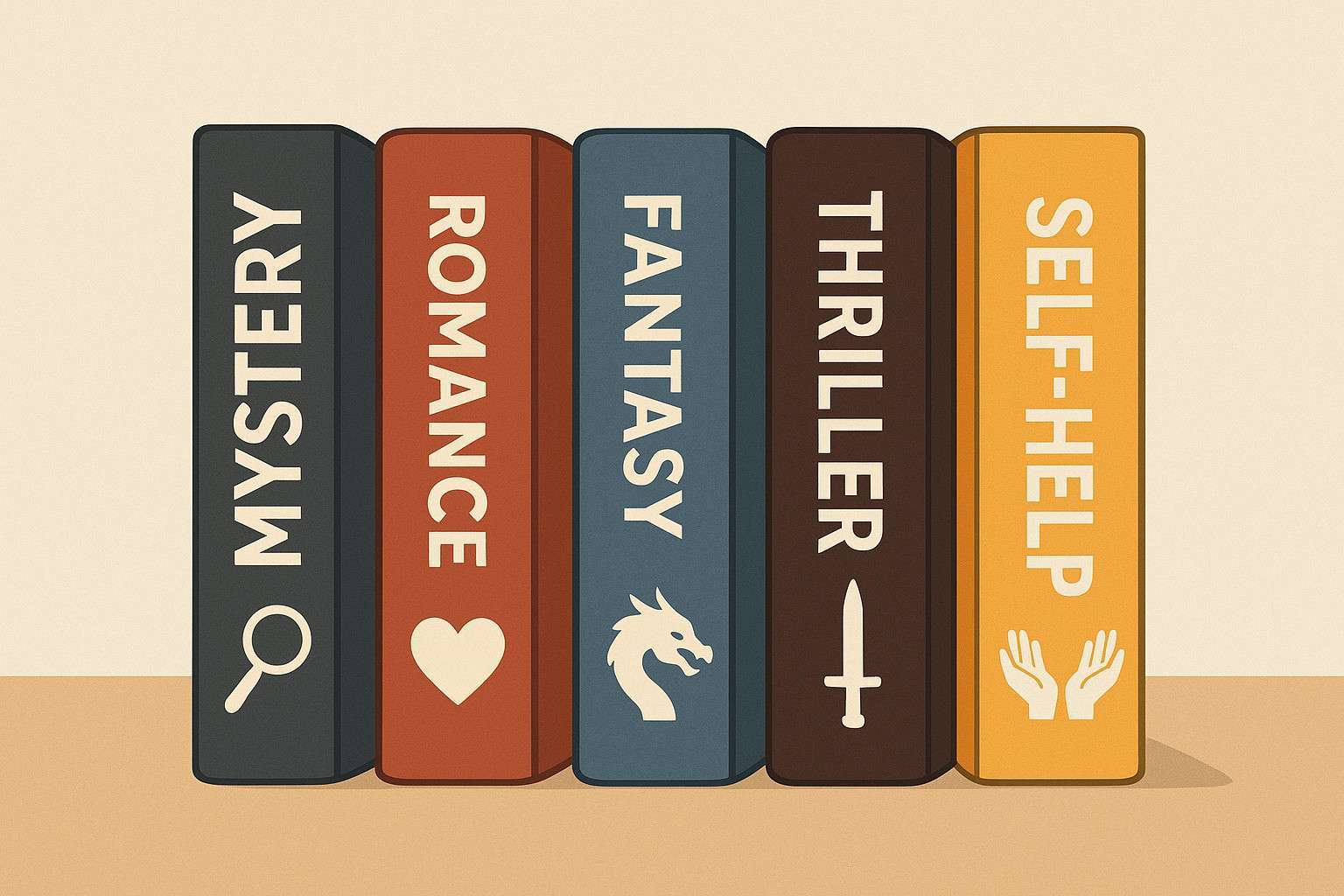
The world of literature is constantly evolving, with new book genres emerging at every turn. Today, readers are increasingly drawn to hybrid genres that blur the lines between traditional classifications. These genre blends reflect contemporary readers’ diverse tastes and interests.
As literature evolves, the blending of genres enhances storytelling and offers a richer experience. Modern writers can explore these innovative combinations using an AI book writing generator to craft compelling narratives across multiple genres. This fusion of technology and creativity opens new possibilities for storytelling.
The Rise of Hybrid Genres
Hybrid genres are a captivating blend of two or more traditional categories, creating unique reading experiences. These genres combine elements from different styles, such as romance with suspense, or fantasy with horror. This blending allows readers to explore stories that feel fresh and innovative.
As a result, hybrid genres have gained popularity among diverse audiences in recent years. This evolution in storytelling reflects the changing preferences of modern readers. Understanding different book genre categories helps readers navigate this expanding literary landscape.
Today, many seek more than straightforward narratives. They desire complex plots that engage with multiple themes and emotions. For example, the appeal of romantic thrillers lies in their ability to intertwine heart-pounding suspense with deep emotional connections.
Readers don’t just want to know who the villain is; they also crave the tension of love amid danger. In addition, hybrid genres often provide a broader spectrum of character development. By merging different forms, authors can delve into various facets of their characters.
These rich, multi-dimensional portrayals resonate more with readers. They may find themselves captivated by the intricate dynamics of a protagonist torn between love and survival in a romantic thriller. Hybrid genres affirm that literature is an ever-evolving landscape.
They invite readers to embrace new experiences and explore narratives that defy traditional boundaries. As more authors venture into genre blending, the possibilities for storytelling continue to grow, offering an exciting future for literature enthusiasts. This trend has made hybrid genres some of the best book genres for contemporary readers.
Romantic Thrillers: Merging Love with Suspense
Romantic thrillers captivate readers by seamlessly blending emotional depth with pulse-pounding tension. Notable examples like “Gone Girl” by Gillian Flynn and “The Girl on the Train” by Paula Hawkins illustrate this thrilling fusion. In each narrative, the complexities of love intertwine with secrets and deceit, creating a gripping atmosphere where every relationship is fraught with peril and intrigue.
The combination of romance and suspense enhances the story by deepening character motivations. As love becomes a driving force, readers are drawn into characters’ emotional struggles, making their predicaments feel more urgent and real. The stakes are raised dramatically when romance is threatened by danger, leading to a heart-pounding experience that keeps readers turning pages late into the night.
Additionally, the unpredictability of romantic relationships adds layers to tension. When love is involved, the reader is invested not just in the outcome of the mystery but also in the characters’ emotional journeys. This dual focus creates an engaging narrative that resonates on multiple levels, making romantic thrillers a unique part of literary fusion.
Romantic thrillers also invite readers to explore themes of trust and betrayal within a suspenseful framework. These tales challenge characters — and readers — to navigate the blurred lines between love and fear. As a result, this genre creates captivating stories that keep audiences guessing not just about the whodunit but also about the fragility of love itself, often becoming best-selling book genres due to their universal appeal.
Fantasy Horror: Dark Realms and Chilling Tales
Fantasy horror is a unique genre that combines the allure of mythical worlds with the suspense of chilling narratives. Notable titles include “The Ocean at the End of the Lane” by Neil Gaiman and “Mexican Gothic” by Silvia Moreno-Garcia, which showcase haunting elements alongside magical realism. These stories captivate readers by immersing them in richly crafted environments where the line between reality and nightmare blurs.
One defining trait of fantasy horror is its ability to evoke strong emotions and feelings of dread. The fantastical elements create an escape from reality while simultaneously instilling fear. This duality keeps readers engaged, as they navigate unexpected twists and turns within intricate plots.
For instance, “The House in the Cerulean Sea” by TJ Klune manages to blend heartwarming moments with darker undertones, drawing readers into a world that feels both enchanting and perilous. The genre also explores profound themes like fear and identity through its unique narratives. By incorporating horror elements, fantasy stories delve into the darker aspects of human experience.
This allows authors to address complex topics, such as loss and trauma, while still providing the escapism that fantasy offers. Readers find themselves intrigued by characters who struggle against not just external threats, but also their internal demons. Many of these titles have become best-selling e-books, proving the commercial viability of this hybrid genre.
In essence, fantasy horror draws readers deeper into its narrative web, making it a compelling genre worth exploring. Its capacity for vibrant world-building, combined with unsettling themes, ensures a gripping experience. This thrilling blend challenges traditional genre boundaries and invites readers to confront their fears in extraordinary ways.
Contemporary Fiction with Magical Realism
Contemporary fiction with magical realism blends the ordinary with the extraordinary. This genre has captured the imaginations of readers through works like “The Ocean at the End of the Lane” by Neil Gaiman and “One Hundred Years of Solitude” by Gabriel García Márquez. These standout books use magical elements to enhance everyday life, creating a world that invites readers to explore deeper truths.
Magical realism impacts character development significantly. Characters in these narratives often experience surreal events that lead to profound self-discovery. For instance, in “Like Water for Chocolate” by Laura Esquivel, the protagonist’s emotions are intertwined with magical cooking recipes.
This mix not only develops the characters but also enriches the storytelling experience. The storytelling in magical realism allows for complex themes to emerge. Issues such as love, loss, and identity are examined within a framework that feels both familiar and unfamiliar.
This combination creates a captivating narrative style that can challenge readers’ perceptions, making them reflect on the world in new ways. Contemporary fiction with magical realism stands out in the top book genres. It invites readers to embrace a blend of reality and fantasy, enhancing both character arcs and thematic depth.
Readers are encouraged to dive into these imaginative works, as they offer a richer literary experience. These narratives often become favorite book genres for those seeking literary depth combined with enchanting storytelling.
Historical Fiction Meets Adventure
Historical fiction that incorporates adventure offers readers a thrilling blend of facts and excitement. Books in this genre often transport readers to significant past events, allowing them to experience history through the eyes of captivating characters. Titles like “The Book Thief” by Markus Zusak showcase the stakes of war through the adventures of a young girl in Nazi Germany.
This fusion makes history accessible and engaging. Authors like Ken Follett have mastered this blend with novels such as “The Pillars of the Earth.” This epic tale of the construction of a cathedral in 12th-century England intertwines adventure with historical detail.
Follett’s ability to weave real historical events and figures into the narrative enhances reader interest and learning. Each adventure reveals the struggles and triumphs of the past. Modern authors can leverage AI novel writing tools to research and craft these intricate historical narratives with greater efficiency.
The adventurous plots in these novels often serve as a backdrop for exploring deeper themes. Whether examining social issues, personal bravery, or the impact of historical events, the adventure becomes a vehicle for reader engagement. This combination of education and excitement makes historical adventure novels a beloved choice for many.
As we dive into these uniquely crafted stories, readers gain both knowledge and thrills. This genre encourages a deeper understanding of history while keeping hearts racing and minds engaged. It reminds us that the past is not merely a list of dates but a tapestry of human experience waiting to be explored.
Young Adult (YA) Genre Mashups
Young Adult (YA) literature has become a vibrant playground for genre mashups. Authors are breaking down traditional boundaries and blending elements in innovative ways. This trend has transformed the landscape of YA, making it one of the top book genres today.
By fusing romance with dystopia or fantasy with contemporary issues, writers appeal to a wider audience and create more relatable narratives. One popular trend is the combination of fantasy and real-world issues. Books like “The Hate U Give” by Angie Thomas illustrate how YA authors address social justice while incorporating elements of urban fantasy.
This blend not only captures readers’ imaginations but also sparks important conversations around critical themes like racism and identity. It demonstrates how genre integration can foster both escapism and social awareness. Authors crafting these compelling stories can use an AI book title generator to create attention-grabbing names for their genre-bending narratives.
Another exciting fusion is found in dystopian romance, with titles like “Legend” by Marie Lu. In these stories, intense romances unfold against a backdrop of challenging worlds. The stakes are high, not just for love, but for survival too.
This combination keeps readers on the edge of their seats, making them invest emotionally in both the relationship and the dystopian environment. Moreover, YA authors are also delving into horror and thriller elements. Books like “One of Us Is Lying” mix mystery and young love, creating an engaging narrative that hooks readers instantly.
These mashups expand the boundaries of what young adult literature can explore, providing thrilling experiences that resonate with today’s youth. Through genre blending, YA literature continues to evolve, offering fresh stories that captivate a diverse readership. For more innovative writing resources, explore the directory of AI applications available to modern authors.
In Summary
Genre blending has transformed the literary landscape. It allows readers to experience stories that push boundaries, engaging them in new ways. Exploring the top book genres that mix elements can lead to richer literary experiences.
Dive into these hybrids and discover thrilling narratives and unique perspectives.
Related Articles
Essential Political Book Recommendations for Young Activists
Fuel your passion for change. Discover powerful reads every young activist should know.
Read more
Find Favorite Book Genres You’ll Obsess Over
Ready to find your next reading addiction? Explore genres that will keep you hooked from page one.
Read more
Discover Your Fit in Book Genre Categories
In the vast world of literature, book genre categories play a crucial role in shaping our reading experiences. Understanding these categories can enhance your j…
Read more