
Top ERP System Examples: Find the Perfect Fit for Your Organization
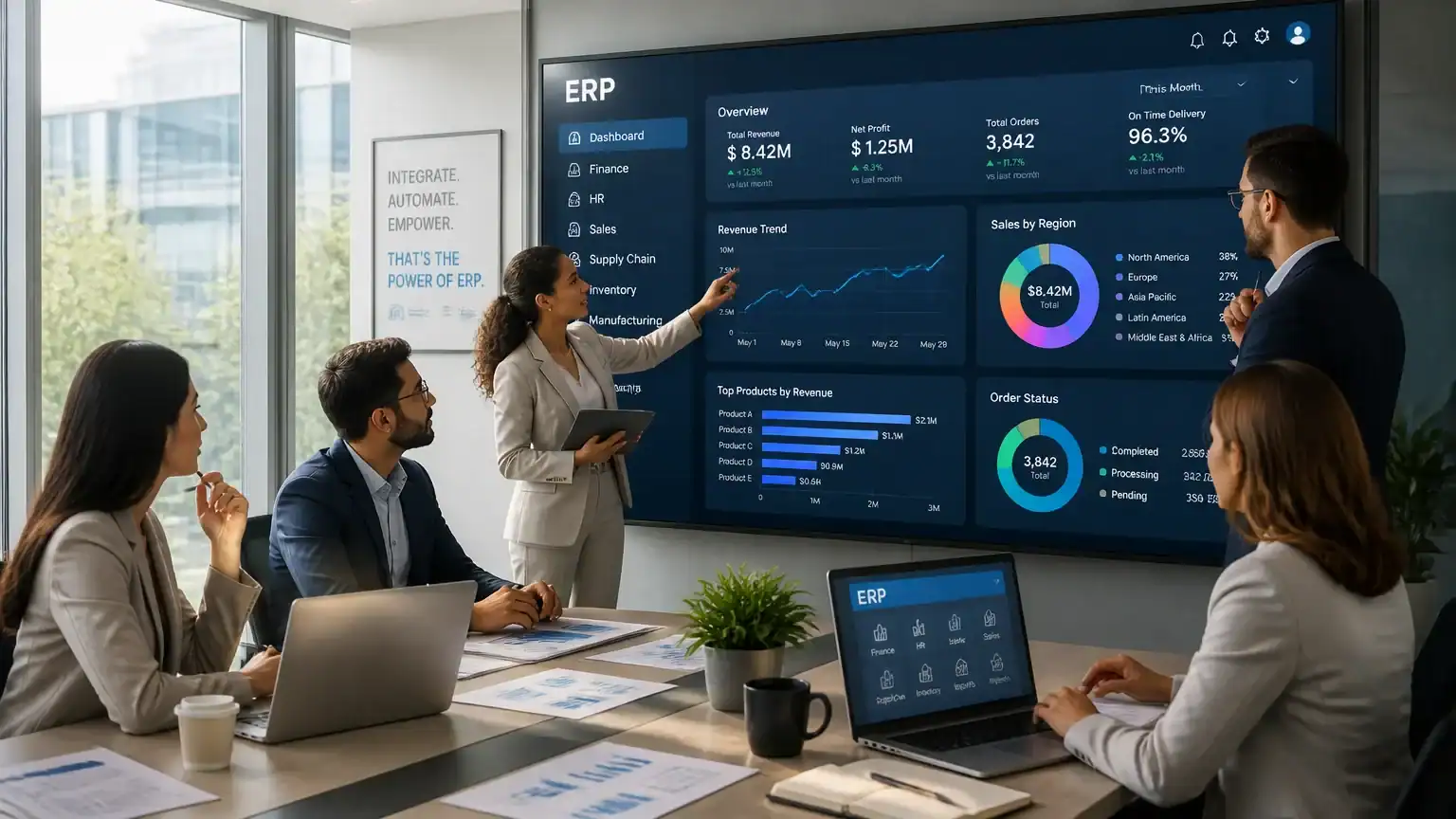
In today’s fast-paced business landscape, choosing the right ERP system is crucial for success. ERP stands for Enterprise Resource Planning, and these systems integrate core business processes into a single platform. From managing finances to tracking inventory, ERP systems streamline operations and enhance efficiency, making them essential for organizations of all sizes.
As industries evolve, the relevance of ERP systems has surged. Companies in manufacturing, retail, healthcare, and even non-profits are leveraging these tools to improve decision-making and optimize workflows. Think of an ERP system as the conductor of an orchestra, ensuring every section plays in harmony to create a beautiful symphony of productivity.
However, not all ERP systems are created equal. Customization plays a pivotal role in finding the perfect fit for your organization. Each business has unique needs, and a one-size-fits-all solution often misses the mark. By exploring various ERP system examples, you can discover options that align with your specific goals and challenges.
Ultimately, the right ERP system can transform your operations and drive growth. Understanding the core functions and benefits of these systems is the first step in selecting a solution tailored to your organization’s unique needs. Let’s dive deeper into the world of ERP systems and uncover how to choose the best one for you!
Top ERP System Examples for Different Business Needs
When it comes to selecting an ERP system, it’s essential to find one that aligns with your business’s unique needs. Here are five standout ERP system examples, each catering to different industries and requirements.
1. SAP S/4HANA
SAP S/4HANA is a powerhouse for large enterprises. Its real-time data processing and advanced analytics make decision-making a breeze. However, its complexity can be daunting for smaller organizations. If you have a vast operation needing intricate data management, this could be your golden ticket.
2. Oracle NetSuite
NetSuite shines for mid-sized businesses seeking a cloud-based solution. It integrates financial management, CRM, and e-commerce into one platform. While it offers great scalability, some users find its customization options a bit limiting. This system is perfect for growth-minded businesses wanting a seamless online presence.
3. Microsoft Dynamics 365
This versatile ERP system is great for companies of all sizes. It combines CRM and ERP capabilities, addressing various operational needs. The downside? It can be pricey and may require more training. If you value flexibility and integration with other Microsoft products, Dynamics 365 is worth considering.
4. Odoo
Odoo is an open-source ERP solution that’s budget-friendly, making it ideal for startups and small businesses. With a modular approach, you can add features as your business grows. However, some users note that support can be hit or miss. If you’re looking for a customizable option without breaking the bank, Odoo could fit the bill.
5. Infor CloudSuite
Specialized for specific industries like manufacturing and healthcare, Infor CloudSuite offers tailored solutions. Its industry-specific functionalities are a major plus, but the learning curve can be steep. If your business operates in a niche market, this ERP might just have the features you need.
Each of these ERP system examples brings unique strengths to the table, ensuring you can find a solution that not only fits your budget but also supports your specific business goals.
Key Considerations When Choosing an ERP System
Choosing the right ERP system isn’t just a box-checking exercise; it’s about aligning the software with your organization’s future growth and current needs. Here are some key factors to consider.
First up is scalability. Your business is likely to evolve, so your ERP system should grow with it. Look for solutions that can accommodate increasing data loads or additional users without a hitch. For example, if you’re a small retailer planning to expand, an ERP that easily integrates e-commerce features will save you headaches down the road.
Next, let’s talk about integration capabilities. Your shiny new ERP system should play well with existing software. Whether it’s your CRM, accounting software, or inventory management tools, seamless integration can save time and reduce errors. Imagine trying to juggle multiple apps that don’t talk to each other—it’s like trying to keep all your circus animals in line without a ringmaster!
Cost is another crucial consideration. Beyond the initial purchase price, think about the total cost of ownership. This includes implementation, maintenance, and any required upgrades. A seemingly cheap ERP can become a money pit if it requires frequent fixes or add-ons. Always ask for a detailed breakdown to avoid any unwelcome surprises.
Lastly, don’t underestimate the importance of user experience and training. An intuitive interface can make all the difference. If your team struggles to navigate the system, productivity will take a hit. Look for platforms that offer robust training resources or even hands-on support to ease the transition. After all, a system is only as good as the people using it!
In summary, keeping these considerations in mind will help you find an ERP solution that not only meets your current needs but also positions your organization for future success.
Integration and Customization: Making ERP Work for You
Integrating your ERP system with existing business tools is like piecing together a jigsaw puzzle. When all the pieces fit, the picture is clear and complete. However, integration challenges can arise, such as data silos and compatibility issues. For instance, if your sales team uses one platform and your accounting team uses another, information can get lost in translation. To tackle these issues, consider using middleware solutions that act as translators between different systems, ensuring seamless data flow.
Customization is another crucial aspect of making an ERP system truly yours. Many ERP providers offer a range of customization options—from altering user interfaces to adding specific functionalities that cater to your industry. For example, a manufacturing company might need unique inventory management features, while a retail business may prioritize customer relationship management tools. Tailoring your ERP to fit these specific needs can significantly enhance your operational efficiency.
Real-life examples abound to demonstrate the power of effective integration and customization. Take a look at a mid-sized manufacturing firm that integrated its ERP with a supply chain management tool. This connection not only streamlined its inventory processes but also improved demand forecasting, leading to a 20% reduction in overhead costs. Another example is a retail company that customized its ERP system to include a loyalty program module, boosting customer retention significantly.
With the right approach to integration and customization, your ERP system can become a powerful ally in navigating the complexities of modern business. For further insights on innovative tools, check out Unlocking the AI Girlfriend Generator: How It Works and Benefits. As you explore your ERP system examples, remember that the goal is to create a cohesive ecosystem that supports your organization’s growth and adaptability.
Future Trends in ERP Systems
As we look ahead, ERP systems are evolving at a breakneck pace, thanks to the integration of cutting-edge technologies. One of the most exciting trends is the incorporation of artificial intelligence (AI) and machine learning. These smart systems can analyze data in real time, providing insights that help businesses make informed decisions faster than ever. Imagine having a virtual assistant that learns from your operations and suggests improvements—it’s like having a crystal ball for your business!
Another trend gaining traction is the rise of cloud-based ERP solutions. These platforms offer flexibility and scalability, allowing businesses to access their systems from anywhere. This means no more being tethered to a desk or office. Plus, cloud solutions often come with lower upfront costs and easier updates, making them a breeze to manage. If you’re still on the fence about going cloud, consider how it can streamline your operations and enhance collaboration across teams.
Mobile accessibility is another game-changer in the ERP landscape. With more professionals working remotely or on the go, having access to your ERP system through mobile devices is crucial. Imagine checking inventory levels while waiting for your coffee or approving purchase orders during your commute. This convenience not only boosts productivity but also empowers employees to manage tasks efficiently, no matter where they are.
As these trends continue to shape the future of ERP systems, staying informed is key. For a deeper dive into how AI is transforming business efficiency, check out Unlocking Success: Top AI Agent Projects Transforming Business Efficiency in 2026. Embracing these innovations can position your organization for success in a fast-paced business environment, ensuring you remain competitive as you adapt to changing demands.
Making the Right Choice for Your Organization
Choosing the right ERP system is like finding the perfect pair of shoes—it needs to fit comfortably and support your journey. Throughout this article, we’ve explored various ERP system examples, emphasizing the importance of aligning your selection with your business goals. Remember, an ERP isn’t just software; it’s a strategic partner in your growth.
Take the time to evaluate your organization’s specific needs. What processes need streamlining? What goals are you aiming to achieve? By answering these questions, you can narrow down your options and find an ERP solution that truly fits your unique landscape.
Don’t forget the power of proactive research. Explore different systems, read reviews, and even reach out to peers in your industry. Staying informed about the latest trends can give you a competitive edge, ensuring your chosen ERP system is not only relevant today but also adaptable for tomorrow. For a deeper dive into transformative technologies, check out Unlocking Machined AI: Transforming Industries for the Future.
In conclusion, selecting an ERP system is a significant decision that can shape your organization’s future. By taking a thoughtful approach and aligning your choice with your business objectives, you set the stage for enhanced efficiency and growth. So lace up those shoes and step confidently into the future of your business!
Related Articles

Mastering Enterprise Workflow Management: Streamline Your Business Operations Today!
In today’s fast-paced urban business environments, enterprise workflow management is essential for keeping operations running smoothly. Think of it as the…
Read moreUnlock Business Efficiency: Benefits of an Intranet Content Management System
In today’s fast-paced business landscape, an intranet content management system is not just a luxury; it’s a necessity. Imagine a digital hub where all your …
Read more
Unlock Startup Success: Harnessing an AI Business Plan Generator
In today’s fast-paced world, an **AI business plan generator** can be your secret weapon for crafting a startup strategy that stands out. Think of it as your…
Read more