
Try an AI Fiction Writer for Your Next Book
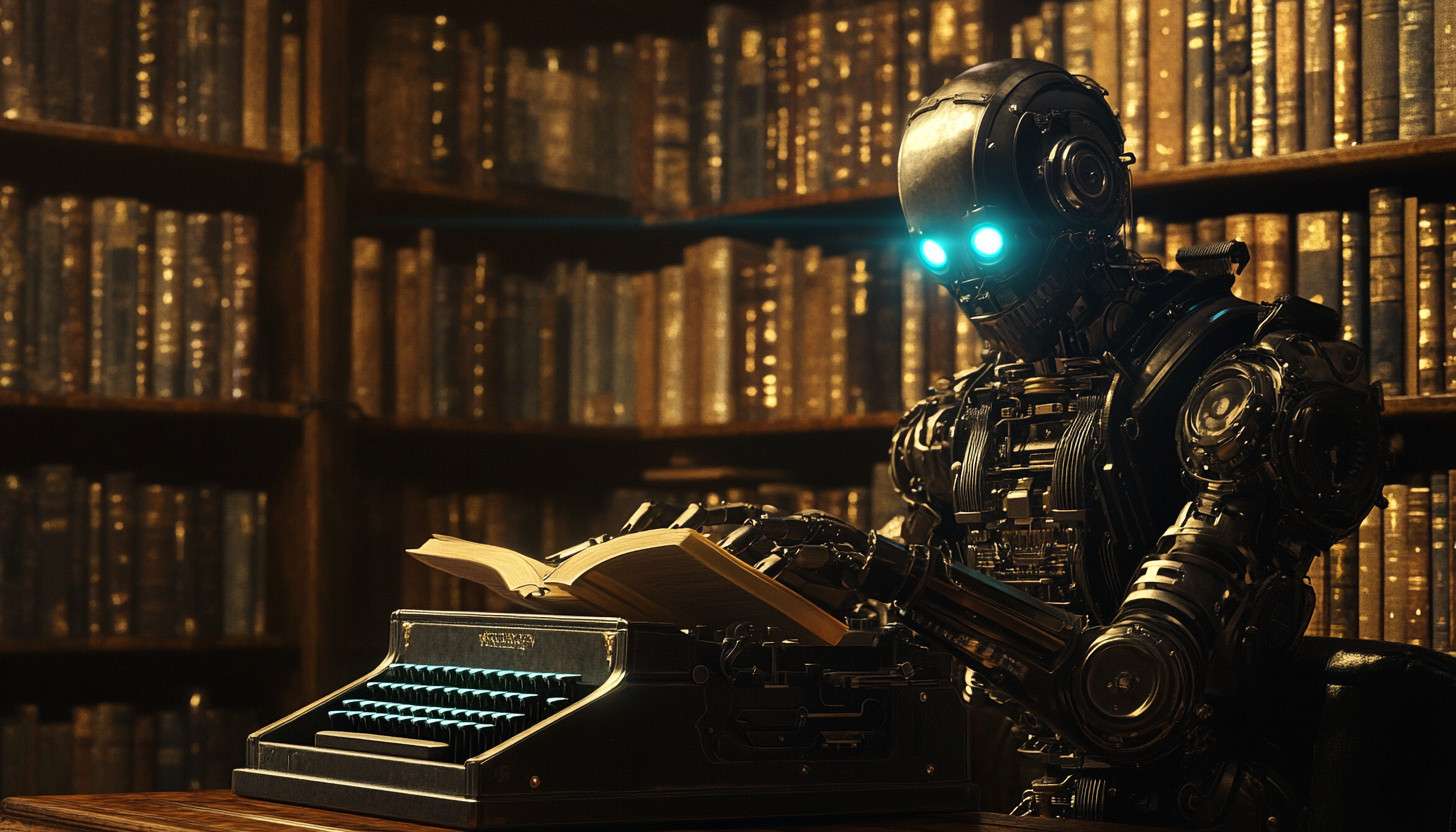
The rise of the AI fiction writer is transforming the landscape of storytelling. As artificial intelligence in literature becomes more prevalent, it opens up new avenues for creativity and expression. Understanding how this technology reshapes storytelling is crucial for writers and readers alike.
The AI fiction writer not only enhances traditional narrative forms but also challenges our perceptions of authorship and creativity. With tools like an AI book generator becoming increasingly sophisticated, writers now have unprecedented assistance in their creative process. As we explore this revolutionary shift, we will uncover the potential of creative writing technology to inspire both seasoned authors and aspiring storytellers.
Discovering the best AI tools directory can help writers navigate the expanding landscape of available resources. Join us on this journey to discover how AI fiction writers are redefining the art of storytelling today. The future of literature is being written with the collaboration between human creativity and artificial intelligence.
The Emergence of AI Fiction Writers
The journey of AI in literature began decades ago, with early experiments in computer-generated text. In the 1950s, researchers started exploring how machines could mimic human writing. This was the foundation for the storytelling evolution we witness today, where AI fiction writers play a significant role in shaping narratives.
Key milestones mark the development of AI writing technology. One notable moment was the creation of ELIZA in the 1960s, a program that simulated conversation. Fast forward to the 21st century, and we see models like GPT-3, which can generate coherent and complex narratives.
These advancements paved the way for a new era of AI-generated stories that captivate readers worldwide. Several notable AI fiction writers have emerged, pushing the boundaries of creativity. For instance, "Bot or Not," an AI project, generated short stories that challenged perceptions of authorship.
The contributions of these AI systems are not just technical; they invite discussions about originality and creativity in literature. Modern automated editing software has further enhanced the quality of AI-generated content. As these AI fiction writers evolve, they continue to influence both aspiring and established authors alike.
How AI Assists Human Authors
AI fiction writers have introduced various tools and platforms that enable authors to collaborate seamlessly. Programs like OpenAI's ChatGPT and Sudowrite allow writers to generate ideas, refine narratives, and enhance dialogue. These AI tools leverage narrative algorithms to assist in crafting engaging stories, ultimately enriching the writing process for human authors.
The benefits of using AI for brainstorming and plot development are significant. Writers can quickly explore multiple storylines or character arcs without the usual time constraints. By utilizing AI novel writing tools, authors can overcome writer's block and enhance their creativity, leading to more dynamic narratives and innovative plots.
Case studies highlight the success of human-AI writing partnerships. For instance, the novel "1 the Road" was co-written by an AI called GPT-2 and author Ross Goodwin. This collaboration illustrates how AI fiction writers can effectively contribute to literary projects while maintaining the distinct voice of the human author, showcasing a powerful impact on authorship.
As these tools become more integrated into the writing process, they continue to redefine what it means to be an author. The synergy between human creativity and narrative algorithms opens new avenues for storytelling. An AI book outline generator can help structure these collaborative efforts, ensuring coherent narrative flow while preserving creative spontaneity.
AI as a Standalone Storyteller
AI fiction writers have made significant strides in creating fully autonomous stories. One notable example is "Sunspring," a short film written entirely by an AI named Benjamin. The film showcases how an AI fiction writer can generate plots and dialogues, producing a narrative that is both unique and surprising.
Another example is "1 the Road," a novel generated by an AI program that draws inspiration from Jack Kerouac's "On the Road." These examples illustrate the potential of AI to craft narratives without direct human input. Advanced writing assistance software continues to push the boundaries of what's possible in autonomous storytelling.
The narrative quality of AI-generated works can be intriguing yet inconsistent. While some AI fiction writers produce imaginative plots, others may struggle with coherence and emotional depth. Critics often analyze the creativity of these works, pointing out that although AI can construct stories, they sometimes lack the nuanced understanding of human experience that traditional authors possess.
Public reception to AI-created literature has been mixed. Some readers are fascinated by the innovative approach to storytelling, while others express skepticism about the creative capabilities of machines. Literary critics have also weighed in, debating whether AI fiction writers can truly replicate the artistry of human authors.
As digital storytelling evolves, these discussions will likely shape the future of writing and influence how audiences perceive AI contributions in literature. The emergence of AI as a standalone storyteller marks a pivotal moment in literary history. While AI fiction writers generate unique narratives, the quality and emotional impact of their work continue to be scrutinized.
The Creative Process: Comparing Humans and AI
Humans and AI fiction writers approach storytelling in fundamentally different ways. Human authors often draw from personal experiences and emotions to craft their narratives. In contrast, AI utilizes machine learning in literature to analyze vast datasets, generating stories based on patterns rather than feelings.
Emotional depth is a critical aspect of storytelling that varies between human and AI narratives. While human writers can convey complex emotions and create relatable characters, AI-generated stories may lack this nuanced depth. For instance, a human author might write about love through personal heartbreak, while an AI might produce a love story based solely on statistical relationships found in existing texts.
Character development also reveals significant differences between the two approaches. Human writers invest time in building multi-dimensional characters who grow throughout the story. Conversely, AI relies on algorithms to shape character arcs, which can result in predictable outcomes or flat characters lacking emotional resonance.
The role of algorithms is crucial in determining plot structures within AI-generated stories. Algorithms help AI identify successful narrative techniques from previous works, shaping new plots accordingly. Modern AI book formatting tools ensure that regardless of the creative process, the final presentation maintains professional standards.
Challenges and Controversies
The rise of AI fiction writers has sparked numerous ethical concerns. One significant issue is authorship, as it remains unclear who owns the rights to works created by AI. Many argue that if an AI fiction writer generates a story, the creator of the AI should hold the copyright, while others believe the AI itself deserves recognition.
Another area of debate is the authenticity of AI-generated content. Critics question whether stories produced by an AI fiction writer can truly resonate with readers. They argue that without human experience and emotion, such narratives may lack depth and relatability.
Additionally, the potential for job displacement in the writing industry cannot be ignored. As AI fiction writers become more sophisticated, some fear that human authors may struggle to find opportunities. The rise of automated storytelling platforms has intensified these concerns about the future of professional writing careers.
These challenges highlight the complex relationship between technology and creativity. As we navigate this new landscape, it is crucial to address these controversies thoughtfully. Balancing innovation with respect for human artistry will be essential in shaping the future of storytelling.
The Future of Storytelling with AI
As we look ahead, the evolution of AI fiction writers seems promising. Innovations in machine learning and natural language processing are expected to enhance the storytelling capabilities of AI. This means that AI fiction writers will likely produce increasingly complex narratives that engage readers on deeper levels.
Future collaborations between AI and human authors could redefine the writing process. For instance, a novelist might utilize AI to generate multiple plot ideas or character backstories. Interactive fiction tools are already enabling new forms of collaborative storytelling that blend human creativity with AI capabilities.
The implications for readers and the literary community are significant. Readers may encounter hybrid works that combine human creativity with AI-generated content. This fusion could lead to new genres and styles, broadening the literary landscape and attracting diverse audiences.
Moreover, as AI fiction writers gain prominence, they will challenge traditional notions of authorship. Writers exploring niche markets might even use a fan fiction generator to create content that appeals to specific fandoms. The literary community will need to navigate these changes thoughtfully, ultimately embracing AI in storytelling while encouraging both innovation and appreciation for the unique contributions of human writers.
Educational Impacts of AI Fiction Writers
Educators have a unique opportunity to incorporate AI fiction writers into their curricula. By using AI writing tools, teachers can help students enhance their writing skills in innovative ways. For example, students can collaborate with an AI fiction writer to brainstorm ideas, develop plots, or even draft entire stories.
The role of AI fiction writers in fostering creativity among students cannot be overstated. These tools encourage experimentation and exploration of different narrative styles and genres. Students can explore various best book genres to understand how AI adapts to different storytelling conventions.
When students see how an AI fiction writer can generate unexpected plot twists or character developments, they are inspired to think outside the box and push their creative boundaries. Understanding different book genre categories helps students appreciate the versatility of AI-assisted writing. Moreover, the integration of AI fiction writers in education may lead to the emergence of new literary forms and genres.
As students interact with AI-generated content, they might discover fresh storytelling techniques that blend human and machine creativity. Exploring their favorite book genres through AI collaboration can reveal new creative possibilities. This collaboration could result in exciting new works that redefine traditional literary categories and challenge readers' expectations.
The educational impacts of AI fiction writers are profound and far-reaching. Students learning about AI for writing books gain valuable insights into the evolving nature of authorship and creativity. By embracing these tools, educators can cultivate a generation of writers who are not only skilled but also innovative.
The future of storytelling in classrooms is bright, with novel writing with AI becoming an integral part of creative education. As AI continues to inspire and transform the way we approach literature, students will be better prepared for the evolving landscape of storytelling. The combination of traditional writing instruction and AI collaboration promises to produce more versatile and adaptable writers.
In Summary
The emergence of the AI fiction writer has profoundly transformed storytelling in modern literature. These innovative tools are reshaping how we create and consume narratives, blending technology with human creativity. As we embrace the AI fiction writer, it is essential to appreciate the unique value that human authors bring to the art of book writing.
Moving forward, readers are encouraged to explore both AI-generated and human-written literature. Engaging with a diverse range of stories can enhance our understanding of this evolving landscape. By doing so, we can celebrate the potential of the AI fiction writer while continuing to value the irreplaceable insights and emotions that only human writers can provide.
Related Articles

Mac Writer: How to Choose the Right Writing App for Your Needs
Choosing the right Mac writer is harder than it looks. The market includes simple text editors, distraction-free writing apps, AI assistants, collaborative p…
Read more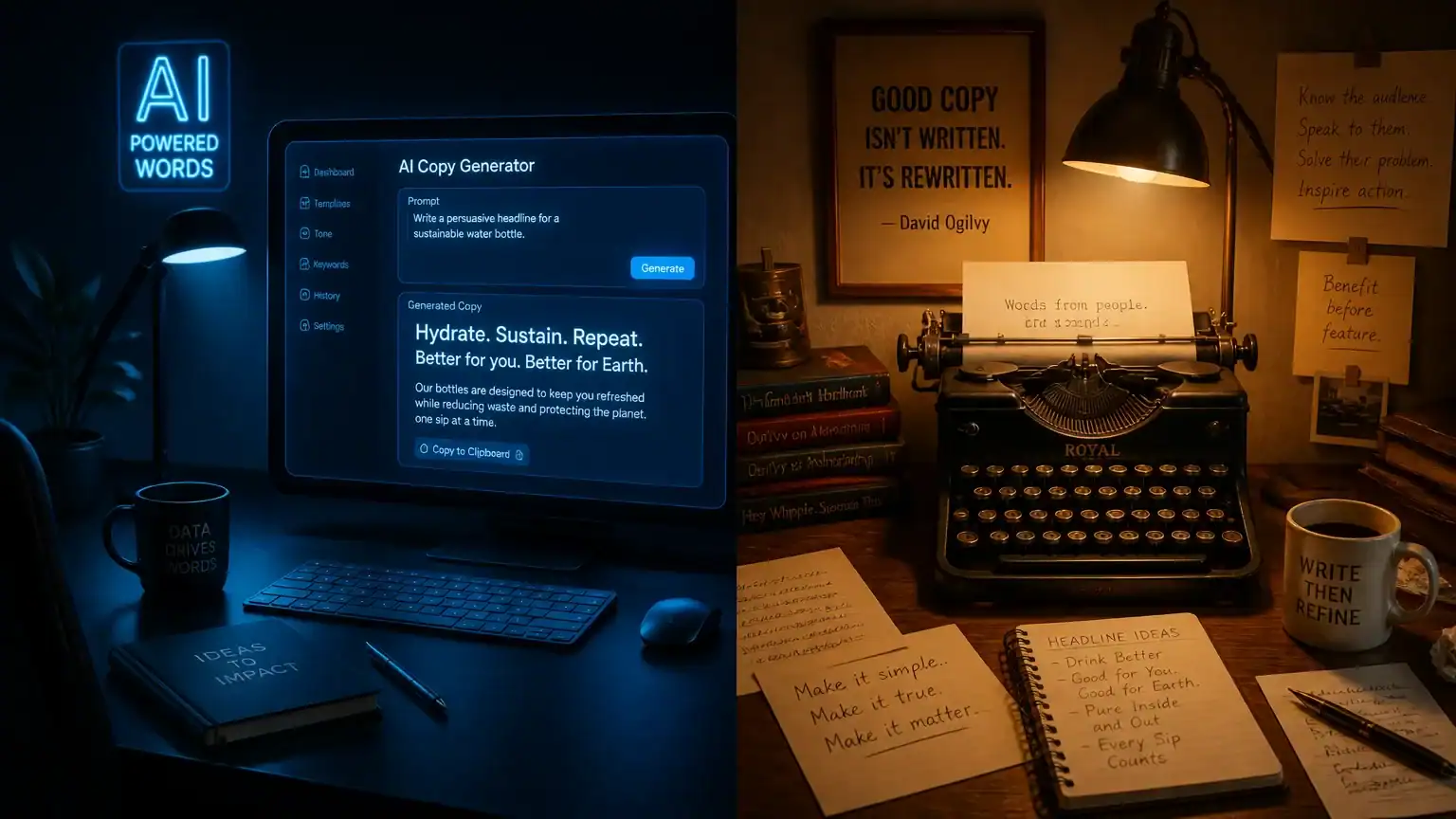
Copy AI vs Traditional Copywriting: Which One Fits Your Needs?
The rise of **copy AI** has transformed the way businesses approach marketing and content creation. Copy AI refers to artificial intelligence-driven tools de…
Read more
Will Artificial Intelligence Novels Change Storytelling?
Artificial intelligence novels are changing how stories are created and consumed in today’s digital landscape. While AI can speed up writing and production, hum…
Read more