
Try These Art Transfer Techniques with Your Photos
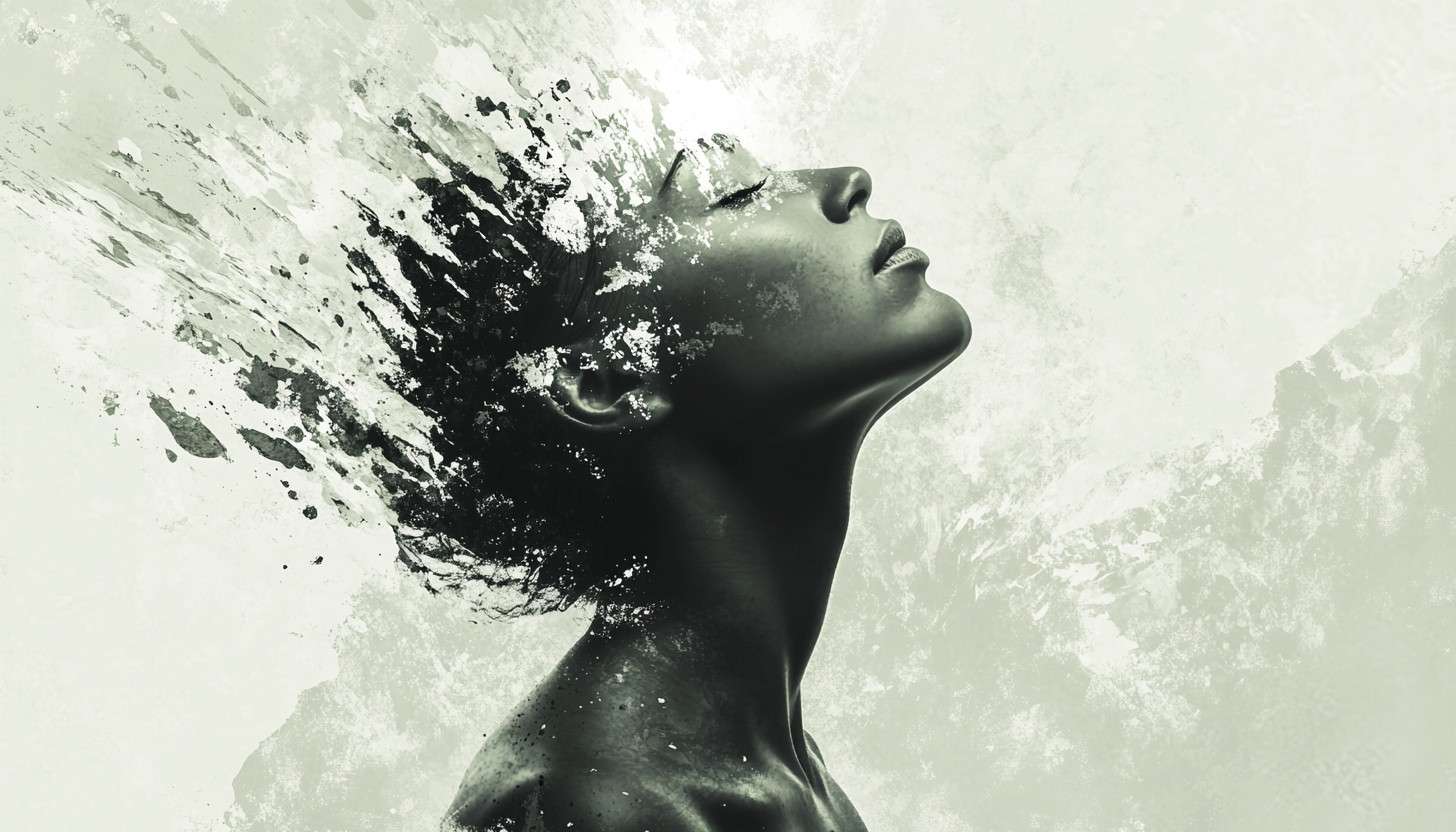
Are you ready to take your photography to the next level? Transform your photos into stunning artworks today using art transfer techniques that breathe new life into your images. These methods allow you to convert ordinary photographs into extraordinary pieces of art, making them a perfect addition to your home decor, and many creators now use aivolut.com/ to get inspiration for their transformations.
The appeal of transforming photos into unique artworks lies in their ability to evoke emotion and spark creativity. By utilizing art transfer techniques, you can create personalized pieces that reflect your style and vision. Whether it’s canvas transfers or other methods, the journey from photo to artwork offers endless possibilities for expression and inspiration.
Understanding Art Transfer Techniques
Art transfer techniques are methods that allow you to transform your photographs into unique artworks. This process involves transferring images from one medium to another, often creating a captivating visual effect. The beauty of these art transfer techniques lies in their ability to breathe new life into ordinary photos, turning them into stunning pieces of art that can rival those created with AI painting software.

The history of photo transfers in art can be traced back to the early 20th century. Artists began experimenting with various methods to incorporate photographic images into their work.
Over time, these art transfer techniques have evolved, leading to the popular use of wood transfers and canvas transfers that we see today. Each new technique adds a layer of complexity and creativity to the artistic transformation process.
As technology advanced, so did the possibilities for photo transfers. Today, artists can utilize digital tools alongside traditional methods for greater versatility.
This evolution has made art transfer techniques accessible to everyone, from photography enthusiasts to seasoned artists. The combination of old and new methods has enriched the way we view and create art.
By understanding art transfer techniques, you open the door to endless creative possibilities. Whether you are working on wood transfers or exploring mixed media, each method offers a unique approach to artistic transformation. Embracing these techniques allows you to express your personal style while transforming your cherished photos into beautiful works of art.
Materials Needed for Art Transfers
To successfully transform your photos into stunning artworks, you’ll need some essential supplies. The primary materials include transfer paper, gel medium, and a variety of surfaces such as canvas, wood, or fabric. Each of these materials plays a crucial role in achieving the desired outcome for your DIY art projects, and for professional results, many artists consult a list of AI tools websites to find complementary digital resources.

In addition to the primary materials, having the right tools can make the process smoother. A brush or sponge is necessary for applying the gel medium evenly.
You may also want to invest in a craft knife for precise cutting and a brayer for smoothing out air bubbles during transfers. These simple tools will help enhance your creative photography and ensure that your finished product looks professional.
When selecting mediums for different surfaces, consider using acrylic gels for canvas and wood, as they provide excellent adhesion and durability. If you’re working with fabric, opt for fabric transfer paper designed specifically for textiles.
This ensures that your photo transfers will withstand washing and wear while still looking vibrant and fresh. Remember, the choice of materials can greatly influence the quality of your final artwork.
By gathering these supplies and tools, you’ll be well-equipped to embark on your journey of transforming photos into stunning artworks. Whether you’re an experienced artist or a DIY lover just starting out, having the right materials will pave the way for successful creations. Embrace this opportunity to explore the world of art transfer techniques and elevate your photography to new heights.
Method 1: Photo Transfers onto Canvas
Transferring photos onto canvas is a fantastic way to create stunning artwork. This method allows you to turn your cherished memories into beautiful pieces that can enhance your home decor. With the right materials and techniques, anyone can master this art transfer technique, especially when complemented with automatic photo editing to prepare images before transfer.
To begin the photo transfer process, gather your supplies. You will need a canvas, a printed photo, gel medium, a brush, and a spray bottle filled with water. Start by applying a layer of gel medium to the canvas.
Next, place your printed photo face down on the canvas and smooth it out to remove any air bubbles. Allow it to dry for several hours or overnight for the best results.
Once the gel medium has dried, gently dampen the paper with your spray bottle. Carefully rub off the paper using your fingers or a sponge, revealing the image underneath. It’s essential to be gentle during this step to avoid damaging the transferred image.
After removing all the paper, let it dry completely before adding any finishing touches, such as additional layers of gel medium or paint.
To achieve the best results with your canvas transfers, consider using high-contrast images. These images tend to show up better after the transfer process.
Additionally, experiment with different gel mediums and application techniques to find what works best for you. By practicing these modern art techniques, you can refine your skills and create unique artworks that showcase your personal style.
Method 2: Photo Transfers onto Wood

Transferring photos onto wood can create a rustic and charming look for your artworks. This method allows you to incorporate natural textures into your designs, adding depth and character. The process involves applying a special medium to the wood surface and then carefully transferring your chosen image, which can be enhanced through high-quality image upscaling to ensure fine details are preserved in the final piece.
To begin, gather your materials, including a wooden board, photo print, gel medium, and a sponge or brush. First, apply a generous layer of gel medium onto the wood where you want the image to be placed.
Next, lay the printed photo face down on the medium and smooth it out to avoid air bubbles. Let it dry completely before gently wetting the paper and rubbing it off to reveal the transferred image.
Choosing the right type of wood is crucial for achieving stunning results. Softwoods like pine or birch are often preferred because they are easy to work with and absorb the medium well.
For home decor ideas, consider using reclaimed wood for a vintage feel or plywood for a more modern touch. Personalized gifts made from wood transfers can hold special meaning, making them perfect for friends and family.
After completing your photo transfer onto wood, think about how to display your new artwork. You can create unique wall hangings or even coasters that showcase your creativity. Remember that each piece will have its own distinct character due to the wood grain, making every transfer truly one-of-a-kind.
Method 3: Mixed Media Approaches
Mixed media approaches provide an exciting way to enhance your photo transfers. By combining various materials and techniques, you can create unique pieces that stand out. This method allows for endless creativity, as you can integrate paint, fabric, or even found objects with your transferred images, and many artists now use automated graphic design tools to plan their compositions before beginning the physical process.
One popular mixed media project involves layering a transferred photo with acrylic paints. Start by applying your photo transfer onto a canvas, then use vibrant colors to paint over certain areas. This technique not only adds depth to your artwork but also allows you to express your artistic style through color and texture.
Another inspiring example is the use of textiles in mixed media art. You can transfer photos onto fabric and then stitch or embellish them with beads or threads. This adds a tactile element to your artwork, making it visually appealing and engaging to touch.
Exploring these mixed media approaches expands the possibilities of art transfer techniques. By incorporating different elements, you can create one-of-a-kind masterpieces that reflect your personal vision. So gather your materials and let your imagination run wild as you transform your photos into stunning artworks today!
Troubleshooting Common Issues
When transforming photos into stunning artworks, challenges can arise during the transfer process. One common issue is the appearance of bubbles or wrinkles in the transferred image, which can sometimes be avoided by first applying AI-based photo editing techniques to optimize your images for the transfer process. This often occurs due to air trapped under the photo or not applying enough pressure while smoothing it out.

To resolve this, use a brayer or a flat edge tool to gently press down on the photo, ensuring a smooth adhesion to the surface.
Another frequent problem is the fading or blurriness of the transferred image. This can happen if you use low-quality prints or if the transfer medium isn’t suitable for your photo type.
To maintain quality, always choose high-resolution images and ensure you’re using the right medium for your specific transfer method. Additionally, consider sealing your artwork with a protective coating once complete to preserve its vibrancy over time.
Color mismatches can also occur during transfers, leading to disappointing results. This is particularly true when transferring images onto surfaces like wood, where the natural texture can affect color perception.
To combat this, test your images on a scrap piece of the same material before committing to the final project. This way, you can adjust colors as needed to achieve the desired look.
Be mindful of the environmental factors that may impact your transfers. Humidity and temperature can affect drying times and adhesion quality. Always work in a controlled environment, and allow sufficient drying time between layers to ensure that your transformed photos turn into stunning artworks that you can be proud of.
Showcasing Your Artworks
Once you have transformed your photos into stunning artworks using art transfer techniques, it’s time to showcase them. One of the most popular ways to display these pieces is by creating a gallery wall that showcases the range of best pixel art techniques alongside your photo transfers.
You can mix and match different sizes and styles of frames for an eclectic look, or stick to a uniform theme for a more polished appearance. This allows your art transfers to become a focal point in any room.
Another creative way to display your artworks is by incorporating them into functional items. Consider transferring your photos onto items like pillows, tote bags, or even coasters. This not only adds a personal touch to everyday objects but also makes for great conversation starters when hosting guests at home.
Sharing your creations with others can be equally rewarding. You might want to start an online portfolio or social media page dedicated to your art transfer techniques, perhaps highlighting how artificial intelligence visual effects in animation have influenced your creative process. Platforms like Instagram and Pinterest are ideal for showcasing your work and connecting with fellow enthusiasts who share your passion for transforming photos into unique pieces of art.
Participating in local art fairs or community events is another excellent way to share your artworks. Setting up a booth to display your creations can introduce your art to a wider audience. This engagement not only promotes your work but also inspires others to explore their creativity through art transfer techniques.
Embrace Your Creativity with Art Transfer Techniques
In summary, art transfer techniques offer a wonderful way to transform your photos into stunning artworks. These methods allow you to express your creativity and personalize your space with unique pieces. By experimenting with different surfaces and styles, you can create artworks that truly reflect your vision.
We invite you to explore the world of art transfer techniques further. Start with your favorite photos and see how they can become beautiful artworks in your home. Remember, the possibilities are endless when you embrace these creative techniques!
Related Articles

Is Character AI Generative AI? How It Works and What It Creates
Is Character AI generative AI? Yes. It creates original text responses from your prompts, conversation context, and patterns learned during training. Instead…
Read more
Best AI Image Generator: How to Choose the Right Tool for Creative Work
Choosing the best ai image generator is harder than ever. Many platforms now produce polished results, but quality, speed, pricing, control, and licensing ca…
Read more
AI for Landscape Design: Tools, Workflows, and Real-World Examples
A client wants a polished garden concept by Friday, but you have only a rough sketch, a few site photos, and a stubborn deadline. This is where AI for landsc…
Read more