
Unlocking Loyalty with Personalized Email Automation
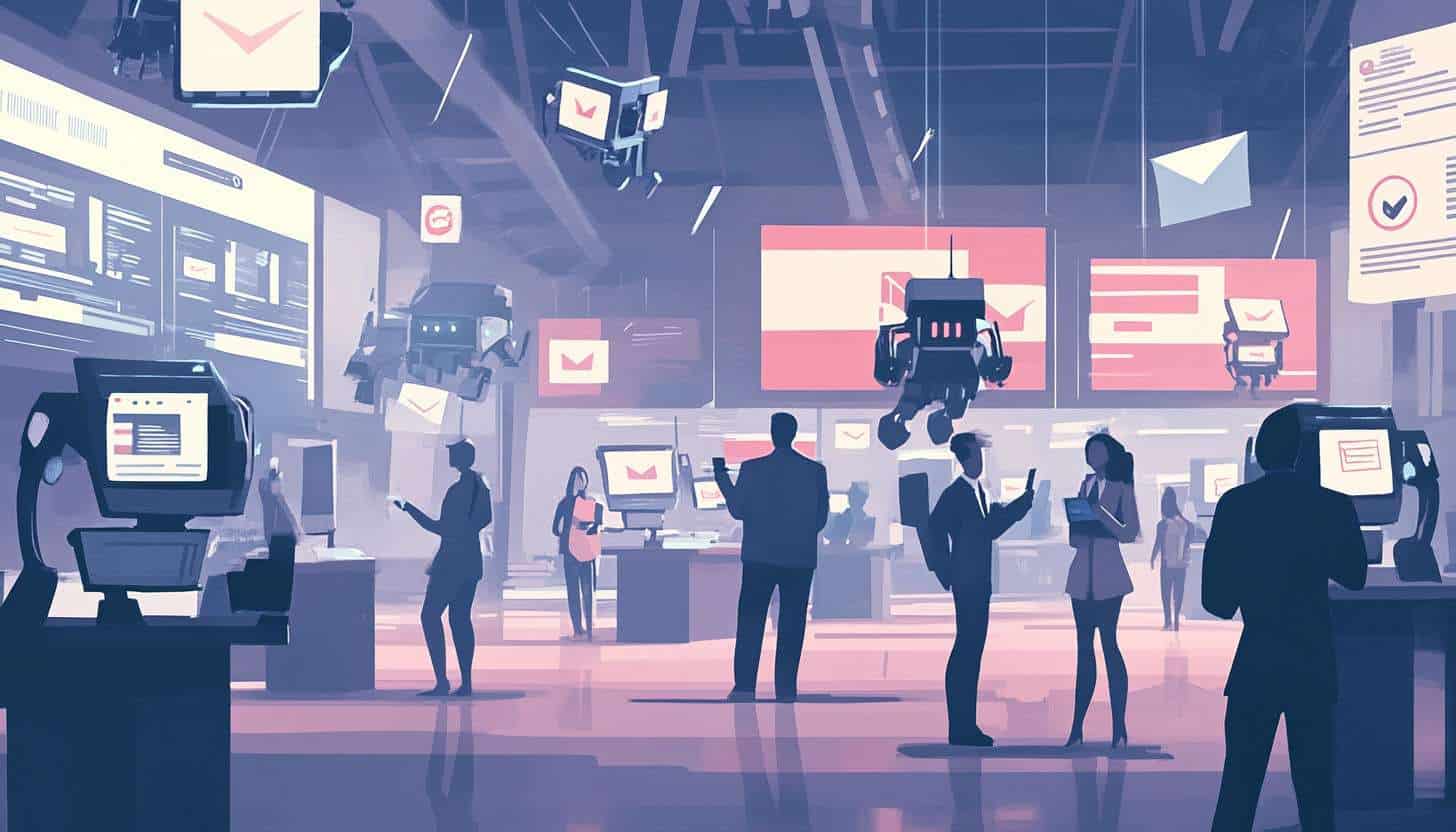
In today’s competitive landscape, personalized email automation has emerged as a vital tool for businesses seeking to foster deeper connections with their customers. This innovative approach to email marketing not only enhances engagement but also significantly boosts customer retention, making it essential for sustained business success.
The power of personalized email automation lies in its ability to deliver tailored messages that resonate with individual preferences. By prioritizing customer retention through effective email marketing strategy, businesses can cultivate loyalty and turn one-time buyers into lifelong advocates.
Continue reading to explore how you can unlock loyalty using personalized email automation and elevate your brand’s success.
The Importance of Personalization in Email Marketing
Personalized email automation can significantly boost engagement rates.
When recipients see their name or recommendations based on previous purchases, they are more likely to open the email and interact with it. For instance, a fashion retailer that sends tailored product suggestions based on past browsing habits will engage customers more effectively than generic emails.
This sense of individual attention can create a deeper connection between the brand and its audience. Customer data is vital for customizing email content in targeted campaigns. Analyzing purchase history, browsing behavior, and demographics allows businesses to create messages that appeal to specific audience segments.
For example, a travel company can send personalized offers based on travelers’ interests. This relevance boosts conversion rates and is a hallmark of a successful email newsletter that keeps subscribers engaged. Personalization extends beyond email content to include timing and frequency, enhancing engagement when users are most active.
Overall, using customer data for personalized email automation fosters compelling experiences that encourage repeat business. Embracing personalization is crucial for effective email marketing, leading to increased engagement and customer loyalty while rewarding companies that understand their customers.
Understanding Your Audience
To effectively enhance customer loyalty, it’s crucial to understand your audience.
Segmenting your customers allows you to create targeted campaigns that resonate with different groups. For instance, a clothing retailer can categorize customers based on past purchases or browsing behavior. This strategy enables the business to send personalized promotions, fostering greater engagement and ultimately boosting customer loyalty.
Utilizing buyer personas enhances personalization in email marketing by tailoring messages to customer interests. For instance, targeting eco-conscious buyers with sustainable product highlights can improve engagement. This approach increases open rates and fosters strong customer connections vital for loyalty programs.
Understanding demographics such as age and spending habits further refines email strategies. Analyzing these segments helps identify effective loyalty programs and engagement methods. Leveraging data-driven insights enables brands to build customer loyalty more effectively than generic tactics.
In summary, customer segmentation and buyer personas are crucial for personalized email automation, leading to relevant messaging and stronger relationships.
Data-Driven Strategies for Effective Email Automation
In the realm of personalized email automation, leveraging analytics is a game changer.
By analyzing customer behavior and preferences, businesses can pinpoint what truly resonates with their audience. For instance, using metrics from previous campaigns can expose trends in open rates and click-through rates that are essential for refining email targeting. When marketers employ these insights, they create emails that align more closely with individual interests and needs.
A/B testing enhances data-driven marketing by comparing different email versions for better performance. This method identifies which subject lines, such as discounts versus exclusive content, yield higher engagement. Results guide future campaign personalization.
Additionally, segmentation improves personalized email automation effectiveness. By grouping audiences based on behavior or demographics, businesses can tailor messages. For instance, frequent buyers receive different offers than occasional customers, ensuring relevance and resonance in communications.
Leveraging resources like the best AI tools directory can also support businesses in identifying advanced tools to streamline data analysis and segmentation. This strategic approach ultimately boosts engagement and conversions by aligning messaging with purchasing patterns. Adopting such strategies not only increases engagement but also maximizes return on investment for businesses seeking long-term success through personalized communication.
Crafting Compelling Re-Engagement Campaigns
Re-engagement emails are crucial for reviving inactive customers. Identify non-interacting customers through purchase history and engagement metrics. Target those who haven’t opened emails or made purchases recently.
Incorporate personalized offers, such as discounts or exclusive content, based on past purchases to enhance appeal. Tailored incentives resonate well with customers. Leveraging tools like AI writing software can streamline the creation of these emails, ensuring the content is both engaging and impactful.
Another tactic worth exploring is asking for customer feedback through re-engagement emails. Asking for customer feedback via re-engagement emails can provide valuable insights from inactive users. A simple survey in the email can encourage responses and demonstrate that you value their opinions.
It’s important to keep the messaging approachable and compelling, utilizing catchy subject lines and engaging visuals to capture attention. Creating content that resonates with users’ past experiences fosters emotional connections, which are crucial for renewing loyalty and engagement with the business.
Best Practices in Personalized Email Automation
- Creating engaging subject lines is crucial in personalized email automation.
A compelling subject line grabs attention and encourages recipients to open the email. For instance, instead of a generic title like “Your Monthly Update,” consider using “John, Here’s Your Exclusive Offer!” This not only personalizes the message but also generates curiosity, making it more likely that your audience will engage.
- Content within the email should follow suit by maintaining personalization throughout.
Tailor your messaging based on user behavior and preferences. For example, if a customer frequently purchases eco-friendly products, include recommendations that align with those interests. This targeted approach keeps your emails relevant and increases engagement rates significantly.
- Timing and frequency play essential roles in successful personalized email automation.
Sending emails at optimal times can lead to higher open rates. Use data analytics to determine when your audience is most active; this could be weekday mornings or late afternoons depending on your customer base. Avoid email campaign optimization mistakes by carefully evaluating these factors to create an approach that resonates and drives results.
- Too many messages can lead to unsubscribes or disengagement.
Instead, aim for consistency without being intrusive; sending one well-timed email per week may yield better results than multiple reminders daily. By paying close attention to timing and frequency, you ensure that your audience appreciates your outreach rather than feeling burdened by it, ultimately enhancing their loyalty through effective personalized email automation.
Measuring Success: Key Metrics to Track
To effectively gauge the success of personalized email automation, it is essential to identify relevant key performance indicators (KPIs).
Open rates and click-through rates are essential metrics indicating audience engagement with emails. High open rates reflect effective subject lines and personalization, while strong click-through rates demonstrate engaging content that encourages action. Conversion rate is another critical KPI, tracking desired actions like purchases or sign-ups post-click. For e-commerce, this is especially important.
Additionally, integrating customer lifetime value (CLV) helps evaluate personalized campaign impacts on customer loyalty and retention. Analyzing these metrics can inform future strategies and enhance email content for better engagement.
Monitoring key metrics is essential, and tools like Mailchimp and Klaviyo facilitate this. They provide real-time engagement tracking and performance dashboards for campaign evaluation. A/B testing features allow marketers to experiment with different elements to identify successful variations.
Regularly measuring personalized email automation success through defined KPIs is crucial for growth. Effective tools help gather data and derive actionable insights, enabling businesses to enhance their email marketing strategies. Continuous monitoring of key indicators leads to improved strategies and increased customer loyalty over time.
Overcoming Common Challenges in Email Automation
Businesses face challenges with personalized email automation, particularly concerning privacy and data security. Stricter regulations like GDPR and CCPA require marketers to collect customer data responsibly, ensuring explicit consent is obtained before sending emails to avoid fines and damaged reputations.
Additionally, the technical aspects of automation tools pose difficulties, especially for teams lacking technological expertise. Features like segmentation and A/B testing can initially seem intimidating. However, investing time in training and utilizing available resources can help teams navigate these challenges successfully.
Reliable software solutions enhance personalized email automation for marketers through user-friendly interfaces and tutorials. By tackling challenges, businesses can effectively implement these strategies while ensuring customer trust.
Commitment to privacy and ongoing technology education is essential. Successfully navigating these obstacles fosters meaningful customer engagement and builds long-term loyalty.
In summary: Elevate Your Customer Loyalty
Personalized email automation plays a crucial role in enhancing customer loyalty. By implementing the strategies discussed, businesses can significantly improve their engagement rates and retention efforts.
Personalized email automation allows for tailored communication that resonates with your audience. Embrace these techniques to build stronger relationships and unlock the full potential of loyalty within your customer base.
Related Articles

Monetizing Newsletters the Right Way in 2026
Newsletters are one of the most powerful revenue assets in digital marketing. Discover how to turn your audience into consistent income with smart strategies.
Read more
What Are the Best Email Subject Lines That Get Opened?
Your email might never get opened without the right hook. Best subject lines for emails make the difference between ignored and clicked. A strong subject line d…
Read more
How Automated Email Testing Can Transform Your Campaigns
Guessing what works in email marketing is risky. Automated email testing helps you find winning strategies faster.
Read more