
Unlocking the Role of an AI Agent Engineer: Key Responsibilities Explained
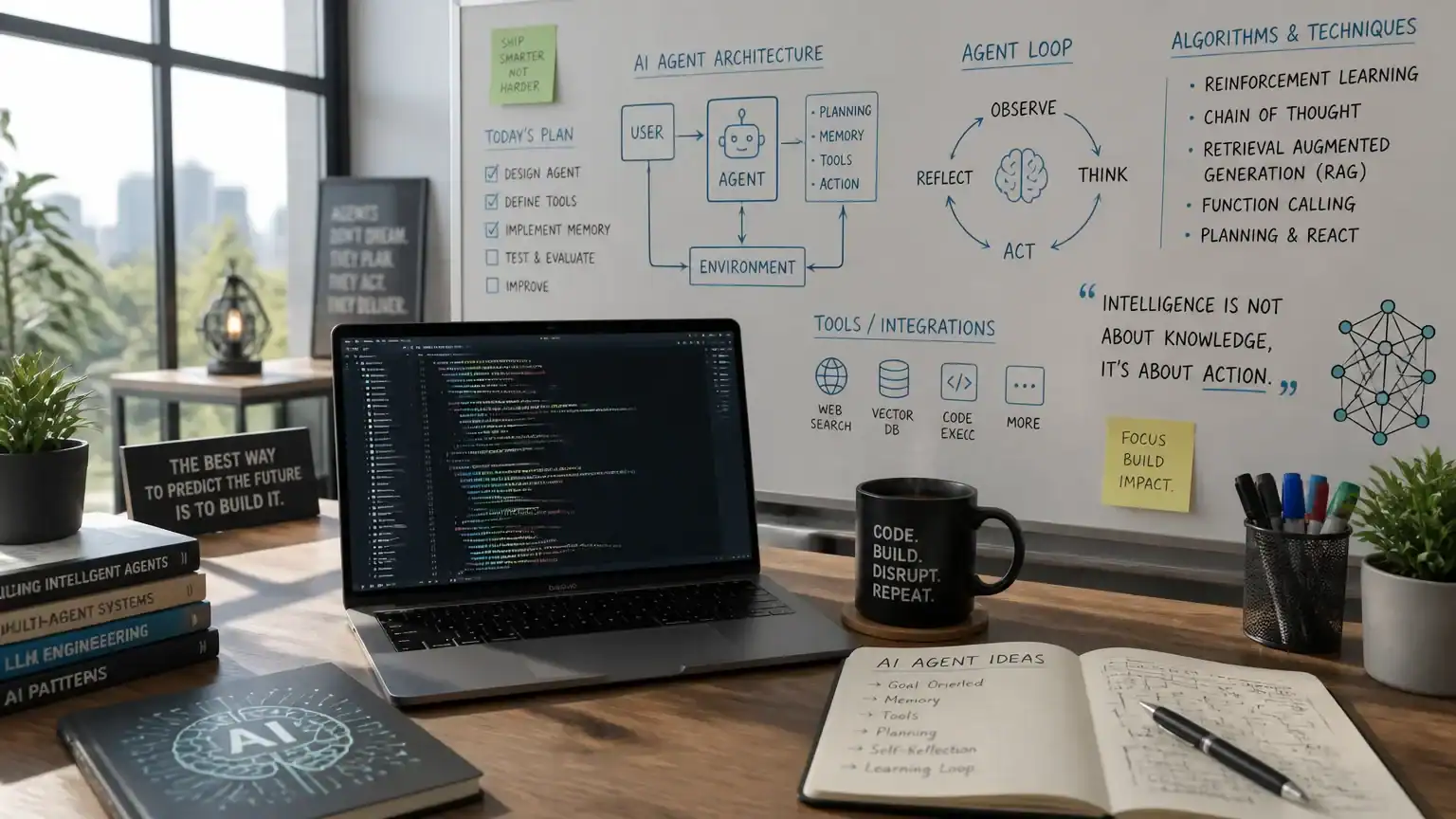
In today’s rapidly evolving digital landscape, the role of an AI Agent Engineer is becoming increasingly vital. Think of these professionals as the architects of intelligent systems, designing AI solutions that streamline operations and enhance user experiences across various industries. From retail to healthcare, AI Agent Engineers are crafting virtual assistants that can handle everything from scheduling appointments to providing 24/7 customer support.
As businesses strive to keep up with consumer demands, the need for AI solutions has skyrocketed. Companies are no longer just dipping their toes into automation; they’re diving headfirst into a sea of data and algorithms. This shift isn’t just about keeping up with competitors; it’s about leveraging technology to create smarter, more efficient workflows.
For those looking to navigate this complex world, resources like Aivolut offers a directory of AI tools can be invaluable. With the right AI tools and expertise, businesses can harness the power of AI, transforming their operations and ultimately enhancing their bottom line. As we delve deeper into the roles and responsibilities of an AI Agent Engineer, it’s clear that their impact is felt far and wide, shaping the future of work itself.
Role of an AI Agent Engineer
The role of an AI Agent Engineer is akin to being a digital architect, designing and developing intelligent systems that think, learn, and adapt. These professionals create AI agents that can analyze data, make decisions, and even predict trends. Imagine a virtual assistant that not only schedules your meetings but also suggests the best times based on your work habits. That’s the magic an AI Agent Engineer brings to the table.
One of their primary responsibilities is overseeing the integration of AI models into existing workflows. This involves working closely with other teams to ensure that the AI systems mesh well with current processes. Think of them as the bridge builders between human expertise and machine intelligence. For instance, in a retail setting, an AI Agent Engineer might integrate a recommendation system that personalizes shopping experiences without disrupting the operations of sales teams.
Additionally, AI Agent Engineers are responsible for continuous monitoring and optimization of these systems. They analyze how well the AI performs and tweak it as necessary. This is much like tuning a musical instrument; even a small adjustment can significantly enhance performance. If a chatbot is responding with confusion instead of clarity, it’s the engineer’s job to refine its understanding.
Moreover, they often collaborate with data scientists to fine-tune algorithms. By aligning the technical capabilities of AI with user behavior, they ensure that the systems evolve effectively. For instance, if a virtual customer service agent starts misunderstanding common queries, the AI Agent Engineer will pinpoint the gaps and make improvements, ensuring a seamless interaction.
In essence, AI Agent Engineers are pivotal in shaping how AI integrates into our daily lives and work environments. Their expertise not only drives technological advancements but also enhances user experiences across various industries.
Technical Skills Required
To thrive as an AI Agent Engineer, a solid foundation in technical skills is non-negotiable. Think of it as building a house; without a sturdy framework, you’re just asking for trouble.
First up, proficiency in programming languages like Python and R is essential. Python, often dubbed the Swiss Army knife of programming, is favored for its simplicity and versatility. It’s like the cool kid at school who everyone wants to befriend—perfect for everything from quick scripts to complex algorithms. R, on the other hand, shines in statistical analysis and data visualization, making it invaluable when working with data-heavy AI projects.
But knowing the languages is just part of the equation. Understanding machine learning frameworks and algorithms is equally critical. Familiarity with libraries such as TensorFlow or PyTorch can significantly speed up development. Imagine trying to bake a cake without knowing how to use the oven; frameworks are like that oven—they help you bring your AI creations to life.
Moreover, grasping concepts like supervised and unsupervised learning is vital. It’s akin to knowing when to follow a recipe versus when to get creative and throw in a pinch of this or a dash of that. The ability to choose the right algorithm for a specific problem can make all the difference, much like picking the right tool for a DIY project.
Lastly, experience with cloud services like AWS or Google Cloud can be a game-changer. These platforms provide the infrastructure needed to deploy AI agents at scale. Imagine trying to launch a rocket from your backyard—cloud services give you the launch pad you need to reach for the stars, rather than just the neighbor’s roof.
In summary, the technical skill set of an AI Agent Engineer is diverse and intricate, blending programming prowess with a deep understanding of machine learning frameworks. This unique blend is what enables them to create intelligent agents that can revolutionize industries and enhance user experiences.
Real-World Applications of AI Agents
AI agents are transforming business operations in exciting ways, often without us even realizing it. One of the most visible applications is in customer service, where chatbots have become the friendly faces—or rather, the friendly texts—of many companies. These AI agents can handle thousands of inquiries simultaneously, providing instant responses that would make even the fastest human employee break a sweat. Imagine walking into a store and having a personal assistant that can answer all your questions without needing a coffee break. That’s the power of chatbots!
For example, many e-commerce platforms use chatbots to guide customers through their shopping journeys. If you’ve ever had a late-night question about a product, chances are a chatbot swooped in to save the day. By optimizing customer service, businesses can reduce wait times and increase satisfaction, ultimately boosting their bottom line.
But customer service is just the tip of the iceberg. AI agents are also enhancing marketing strategies with personalized content. Think of how Netflix suggests your next binge-worthy series based on what you’ve watched before. That’s an AI agent at work, analyzing your preferences and tailoring recommendations just for you. This level of personalization not only keeps customers engaged but also drives sales, as targeted content is much more effective than generic advertisements.
In today’s fast-paced world, the ability to quickly adapt marketing efforts is crucial. AI agents help businesses analyze data trends in real-time, enabling them to pivot strategies almost instantly. This agility can be a game-changer, especially in competitive markets.
For those concerned about job security in this AI-driven landscape, it’s worth exploring insights on resilient careers. Check out What Jobs Are Safe from AI? Top Resilient Careers for 2026 to understand which roles are likely to thrive alongside AI advancements.
In summary, the integration of AI agents into business operations is not just about efficiency; it’s about creating a better experience for both employees and customers alike.
Challenges Faced by AI Agent Engineers
AI Agent Engineers face a unique set of challenges that can feel like navigating a maze with a blindfold on. One of the most pressing issues is ethical concerns, particularly regarding data privacy and algorithm bias. Imagine you’re a chef making a complex dish, but you realize some ingredients are toxic. That’s what it feels like when an AI system is trained on biased data, leading to skewed results. An AI Agent Engineer must ensure that the data used is not only accurate but also fair, which is no easy task.
Another hurdle is the technical challenge of deploying AI systems at scale. Think of it like trying to launch a fleet of tiny spaceships into orbit. Each needs to be perfectly calibrated and functioning, or the entire mission could fail. AI systems often require extensive testing and continuous monitoring to ensure they perform well under various conditions. Engineers must grapple with issues like system compatibility, performance optimization, and real-time processing—all while keeping user experience in mind.
Moreover, the rapid pace of technological change adds another layer of complexity. New frameworks and tools pop up faster than you can say “machine learning,” and keeping up can feel like a full-time job. AI Agent Engineers must constantly update their skills and knowledge to leverage the latest advancements effectively.
Lastly, they often face the challenge of communicating complex AI concepts to non-technical stakeholders. Picture trying to explain quantum physics to a cat. If they can’t bridge this communication gap, it can lead to misunderstandings and misaligned expectations, making their job all the more difficult.
In essence, the role of an AI Agent Engineer is not just about coding and algorithms; it’s about navigating a landscape filled with ethical dilemmas and technical obstacles. The ability to address these challenges head-on is what sets successful AI Agent Engineers apart.
Future of AI Agent Engineering
As we gaze into the crystal ball of AI Agent Engineering, it’s clear we’re on the brink of a transformative era. The integration of AI in business operations is becoming as common as coffee breaks and water cooler chats. Imagine a future where AI agents not only handle mundane tasks but also anticipate needs, like a personal assistant who knows you’re out of coffee before you do!
This shift is leading to the emergence of new roles and skills that adapt to these advancements. For instance, AI Agent Engineers will increasingly collaborate with data ethicists to ensure that the algorithms they create are not just efficient but also fair and transparent. It’s like having a tech-savvy superhero team—each member plays a vital role in crafting a balanced AI landscape.
Industries like healthcare and finance are already feeling the impact. Picture AI agents that help doctors diagnose conditions faster than you can say “prescription,” or financial advisors that crunch numbers with the finesse of a seasoned accountant, yet are available 24/7. These innovations are not just futuristic fantasies; they’re rapidly becoming reality, paving the way for more streamlined operations and enhanced user experiences.
Moreover, as AI technology evolves, the skill set for AI Agent Engineers will too. They’ll need to be part coder, part psychologist, and part futurist, constantly learning and adapting. This evolving skill set will be crucial for navigating the complexities of AI, where understanding not just the technology but also its societal impacts is essential.
For those keen on diving deeper into AI concepts, the AI Terminology Glossary for Working Professionals serves as an invaluable resource. As the landscape of AI continues to expand, staying informed will be key for professionals looking to ride this wave of innovation.
In essence, AI Agent Engineering is not merely a job title; it’s a gateway to an exciting future. With each technological leap, we inch closer to a world where AI seamlessly integrates into our daily lives, transforming how we work, interact, and innovate.
Conclusion: The Importance of AI Agent Engineers
AI Agent Engineers are the architects of our digital future, crafting intelligent solutions that enhance efficiency and user experience. Understanding their role is crucial for businesses aiming to leverage AI effectively. Just as a skilled conductor brings harmony to an orchestra, these engineers ensure that AI systems work seamlessly within an organization.
As businesses continue to embrace innovative technologies, considering AI solutions becomes essential. The insights and skills of an AI Agent Engineer can transform operations and drive significant growth. By investing in this expertise, companies position themselves to thrive in an increasingly competitive landscape.
In short, embracing the role of the AI Agent Engineer is not just a trend; it’s a strategic move toward a smarter, more efficient future.
Related Articles

Is Character AI Generative AI? How It Works and What It Creates
Is Character AI generative AI? Yes. It creates original text responses from your prompts, conversation context, and patterns learned during training. Instead…
Read more
I for One Welcome Our AI Overlords: Meaning, Origin, and AI Culture
“I for one welcome our AI overlords” sounds like a joke because it is one—usually. The phrase signals ironic enthusiasm, reluctant acceptance, or humorous su…
Read more
What Are AI Skills? Essential Abilities for Today’s Workplace and Business
If you’ve wondered, what are AI skills, the answer goes beyond coding or building robots. AI skills are the practical abilities to understand what AI can do,…
Read more