
AI Image Generation Comparison for Creators
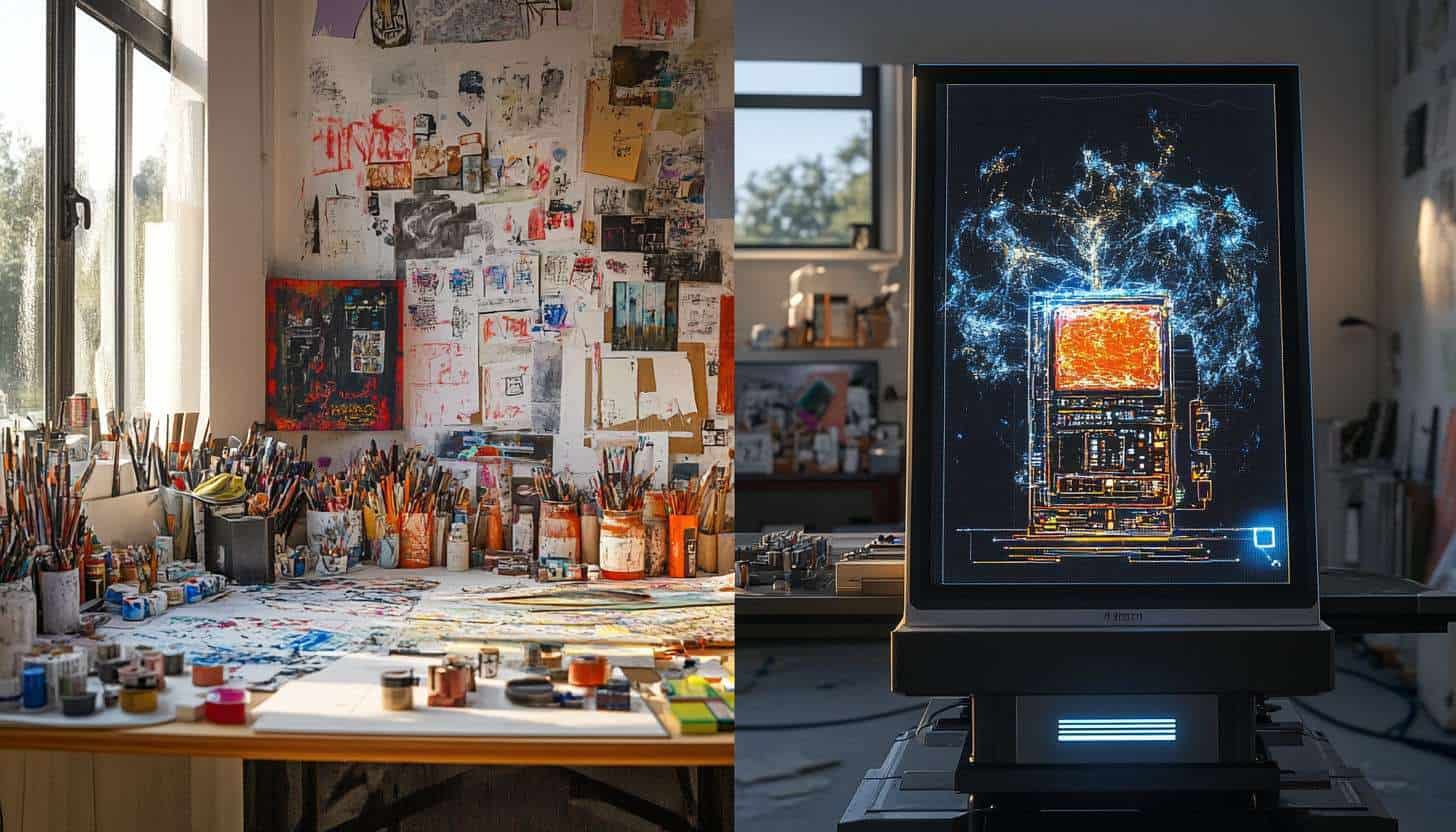
AI image generation is transforming the way we create visuals across various fields. From marketing campaigns to educational materials, these AI tools are becoming essential for digital artists and designers.
In this article, we will explore an AI image generation comparison to help you find the best fit for your specific needs. Understanding the strengths and weaknesses of different AI image generators can empower users to select the right tool for their projects. Join us as we dive into the world of AI image generation and discover which AI image generator reigns supreme.
What is AI Image Generation?
AI image generation is a technology that uses algorithms to create images from scratch or modify existing ones. This process involves machine learning, where the system learns from vast amounts of data to produce visual content that meets user specifications. By analyzing patterns and features in images, these tools can generate realistic or stylized visuals based on simple text prompts or other input criteria.
The development of AI image generation has evolved significantly over the years. Initially, the technology focused on basic image manipulation and enhancement. However, advancements in machine learning have led to more sophisticated systems capable of generating high-quality images that can rival traditional artistic methods.
One key milestone in this evolution was the introduction of Generative Adversarial Networks (GANs) in 2014. GANs allowed for a more dynamic approach to image creation by pitting two neural networks against each other. This resulted in increasingly refined outputs, making AI image generation a vital tool for artists and designers.
Today, AI image generation is widely used across various industries for tasks such as marketing and entertainment. It provides new ways to create visuals that capture attention and convey messages effectively. As the technology continues to improve, the potential applications of AI image generation are virtually limitless, making ongoing AI image generation comparison crucial for users seeking the best tools for their specific needs.
Criteria for Comparison

When assessing AI image generators, quality, speed, and usability are essential features. Quality ensures images are clear and visually appealing. Speed is crucial for maintaining workflow efficiency, as users prefer quick image creation. Usability enhances the creative process through a user-friendly interface.
Understanding the target audience’s needs is essential in choosing the right tool. For instance, digital artists may prioritize advanced customization options while marketers might look for quick turnaround times. Additionally, educators might need automated graphic design tools that can easily create educational visuals without extensive technical knowledge.
The versatility of creative technology also plays a role in this decision-making process. Some AI image generators excel at producing realistic images, while others may focus on abstract or artistic styles. Therefore, knowing what type of imagery is needed can help narrow down the choices effectively.
Each user’s specific requirements will guide their selection of an AI image generator. By focusing on quality, speed, usability, and audience needs, users can find the best creative technology to enhance their projects. This thoughtful approach ensures that the chosen automatic photo editing AI aligns with individual goals and maximizes productivity.
Top AI Image Generators on the Market
In the world of AI image generation, several tools stand out for their unique features and capabilities. DALL-E 2, developed by OpenAI, is known for its ability to create highly detailed images from text prompts. This tool excels in generating creative and imaginative visuals, making it a favorite among digital artists and marketers alike.
Another prominent player in the AI image generation comparison is Midjourney. This tool specializes in producing artistic and stylized images that often resemble traditional artwork. Its community-driven approach allows users to share their creations, providing inspiration and fostering a collaborative environment among creators.
Stable Diffusion has also gained popularity for its versatility and open-source nature. This artificial intelligence image generator allows users to fine-tune parameters and settings, giving them more control over the output. Its flexibility makes it an excellent choice for educators looking to integrate AI art into their curriculum or for graphic designers seeking specific visual styles.
Artbreeder stands out with its unique blend of images through genetic algorithms. Users can mix and match different elements to create entirely new visuals, pushing the boundaries of creativity. This feature appeals to both tech enthusiasts and artists who enjoy experimenting with AI-generated art in real-time testing scenarios.
Each of these tools offers distinct advantages, making them valuable assets in the realm of AI image generation.
Live Comparison: Testing in Real-Time

In our hands-on testing process, we evaluated several AI image generators to understand their performance and output quality. Each tool was put through a series of tasks, including creating portraits, landscapes, and abstract art. This allowed us to see how each generator handles different styles and complexity levels in real-time.
We focused on user experience during the testing phase. Factors like ease of navigation, speed of rendering images, and the intuitiveness of the interface were crucial. For instance, one generator stood out for its quick processing time, allowing users to produce high-quality images almost instantly.
The output quality varied significantly among the AI image generators. Some tools excelled in high-quality image upscaling, making them ideal for digital creativity projects. Others, while faster, produced images that lacked the same depth and vibrancy, which might not meet the expectations of professional artists.
The live comparison revealed valuable insights into each generator’s strengths and weaknesses. Understanding these aspects helps users select the right tool based on their specific needs. Whether for rapid concept sketches or detailed artwork, the right AI image generator can enhance digital creativity and streamline workflows effectively.
Strengths and Weaknesses of Each Tool
In the realm of AI image generation comparison, each tool brings its unique strengths to the table. For instance, Tool A excels in producing high-resolution images quickly. Its ability to generate detailed graphics makes it a favorite among digital artists who prioritize quality and speed.
However, Tool A does have limitations. Users often report that its interface can be complicated for newcomers. This complexity may deter those who seek a more user-friendly experience in AI’s creative revolution.
On the other hand, Tool B is known for its intuitive design and ease of use. It allows users to create stunning visuals without a steep learning curve. This makes it an excellent choice for educators and marketers who may not have extensive technical backgrounds.
Yet, Tool B also has its drawbacks. The quality of images produced may not match that of competitors like Tool A. As such, users looking for superior output might find themselves exploring other options in the AI image generation comparison landscape.
Practical Applications of AI Image Generation

AI image generation is making waves across various industries, transforming how they create visual content. In marketing, companies use AI to generate eye-catching images for advertisements and social media posts. This technology allows brands to produce tailored visuals that resonate with their target audience quickly and effectively.
Education is another field benefiting from AI image generation. Educators use these tools to create engaging visuals for presentations and learning materials. By generating diagrams, infographics, and illustrations, teachers can enhance their lessons and make complex concepts more accessible to students.
The potential future applications of AI image generation are vast and exciting. As technology advances, we may see AI creating personalized content for users based on their preferences and behaviors. This could lead to highly customized marketing campaigns or unique educational resources that adapt to individual learning styles.
Moreover, industries like gaming and entertainment are exploring AI-generated imagery for character designs and landscapes. With the ability to create endless variations quickly, AI image generation could revolutionize creative processes in these sectors, allowing for more innovative storytelling and immersive experiences.
User Feedback and Community Insights
User feedback is essential for evaluating AI image generators. Digital artists note differences in detail, speed, and usability among tools. One generator is praised for creating beautiful landscapes, while another is preferred for rapid prototyping. This diversity in experiences underscores the need for comparing AI image generation tools to find the best fit.
Community discussions on AI image generation showcase user preferences and trends across platforms like Reddit. Users share insights on effective tools, successes, and failures, creating a collaborative knowledge base. These conversations reveal the evolving landscape of AI image generation, with an emphasis on features that boost creativity and improve workflows.
Additionally, feedback from educators emphasizes the value of user-friendly interfaces in AI image generators. Teachers appreciate tools that facilitate learning and encourage student creativity without overwhelming them. This highlights the need for an AI image generation comparison that considers accessibility alongside performance, especially in educational settings where diverse skill levels exist.
User feedback and community insights provide a wealth of information that can guide potential users in their decision-making process. Understanding the experiences of others fosters a better appreciation for the strengths and weaknesses of each tool. Engaging with these communities can ultimately lead to a more informed choice in the ever-evolving landscape of AI image generation.
Final Thoughts on AI Image Generation Comparison
In our AI image generation comparison, we explored various tools and their strengths. Each AI image generator has unique features that cater to different needs and preferences. Ultimately, the best choice will depend on your specific requirements as a digital artist or marketer.
When selecting an AI image generator, consider factors like quality, speed, and usability. Our findings suggest that there is no one-size-fits-all solution in this AI image generation comparison. By understanding your goals, you can find the tool that reigns supreme for your projects.
Related Articles
Best AI Image Generator: How to Choose the Right Tool for Creative Work
Choosing the best ai image generator is harder than ever. Many platforms now produce polished results, but quality, speed, pricing, control, and licensing ca…
Read more
AI for Landscape Design: Tools, Workflows, and Real-World Examples
A client wants a polished garden concept by Friday, but you have only a rough sketch, a few site photos, and a stubborn deadline. This is where AI for landsc…
Read more
Uncensored AI Image Generator: How to Choose One Safely and Responsibly
An uncensored AI image generator can appeal to artists, marketers, and product teams who need more creative control. Fewer arbitrary filters may support unus…
Read more