
AI Muscle Generator: Create Fitness Visuals and Personalized Training Plans
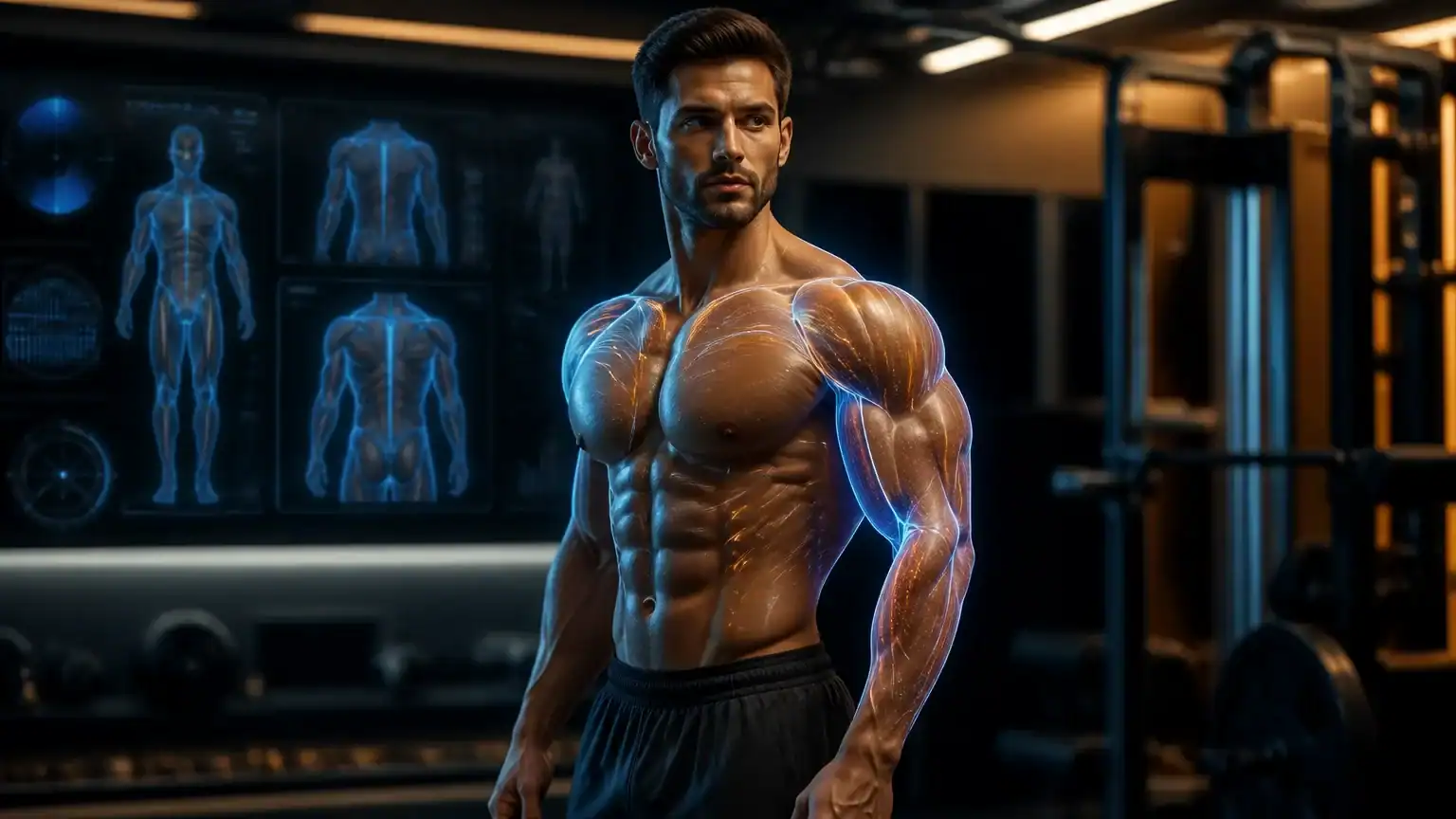
An ai muscle generator can turn a rough fitness idea into a visual, workout concept, or campaign asset in minutes. These tools combine image generation, body visualization, and text-based planning to help creators show how a physique might develop or draft a training program around specific goals.
For business owners, marketers, and fitness creators, the appeal is practical. AI can speed up ideation, keep content visually consistent, personalize concepts for different audiences, and reduce the cost of repeated photoshoots or design work. A gym could visualize a new challenge, while a coach might mock up a beginner’s plan before refining it with a client.
The technology still has limits, however. AI may invent impossible anatomy, misrepresent exercise form, or produce training advice that ignores injuries, experience levels, and recovery needs. Think of it as a fast creative assistant—not a certified trainer with a clipboard and an excellent squat rack.
This article presents a practical workflow for using these tools responsibly. You’ll see how to compare options through an AI tools directory, write stronger prompts, create useful fitness visuals, and generate training-plan drafts that are easier to review.
We’ll also cover quality control, including anatomy checks, exercise safety, factual accuracy, and brand consistency. Finally, you’ll learn how to prepare AI-assisted content for commercial publishing without allowing polished pixels or confident text to outrun qualified fitness expertise.
What an AI Muscle Generator Can Actually Do
The phrase AI muscle generator covers several different tools, not one magical digital personal trainer. Some tools create fitness-themed images, while others visualize body changes, demonstrate exercises, or draft complete training plans. Knowing the difference helps you choose the right tool—and avoid asking a picture generator to behave like a physiotherapist.
1. Generate aspirational fitness images
Image generators can create polished visuals of athletes, gym environments, workout scenes, and imagined physiques. A fitness brand might request a strong-looking runner at sunrise, a muscular character for a game, or a campaign image featuring resistance training.
These tasks are primarily creative. You can control the audience, visual style, body region, platform, lighting, clothing, pose, and brand requirements. The result may be excellent for a social post or campaign concept, but it does not prove that the depicted body is realistic or achievable.
2. Visualize physique changes
Some fitness-focused tools show potential body changes based on goals such as building muscle, losing fat, or improving definition. These visuals can help users imagine a direction and stay motivated.
However, they are projections, not promises. Genetics, nutrition, training history, sleep, age, and consistency all affect results. A generated “after” image may quietly ignore those details—much like a holiday brochure forgets the airport delays. Treat it as an educational or motivational aid, not a medical prediction.
3. Create exercise demonstrations or diagrams
AI can produce exercise illustrations, movement sequences, muscle maps, and simple diagrams. These may help explain which body region an exercise targets or support an early draft for a training guide.
This use case needs careful expert review. AI-generated anatomy can look convincing while showing an impossible joint angle, incorrect hand placement, or unsafe spinal position. A qualified trainer, physiotherapist, or medical reviewer should verify the movement before publication.
4. Draft structured workouts from user inputs
Text-based AI assistants can turn practical details into a draft plan. Useful inputs include the user’s goal, training experience, available equipment, weekly schedule, preferred session length, target body region, and known limitations.
For example, a beginner with adjustable dumbbells and three weekly sessions needs a different plan from an experienced lifter training six days in a fully equipped gym. AI can organize exercises, sets, repetitions, rest periods, and progression ideas. Expert review remains essential, especially for injuries, medical conditions, advanced programming, and exercise safety.
How should you choose a tool?
Use a general image generator for campaign concepts and stylized fitness visuals. Choose a fitness-focused visualization tool for physique comparisons or body-region illustrations. Use a text-based AI assistant for workout drafts and planning prompts.
For serious content, combine tools: generate the visual, draft the plan, then have qualified experts check anatomy, safety, accuracy, and brand fit. In fitness, the best workflow is rarely “press button, become coach.”
How to Create Convincing Fitness Visuals with AI
Start with the communication goal, not the image prompt. Are you demonstrating a squat, promoting a coaching offer, highlighting a target muscle, showing a transformation concept, or creating a lifestyle image? An AI muscle generator can support all five, but each goal needs a different visual strategy.
Next, build the prompt in layers. Describe the subject, pose, camera angle, lighting, clothing, gym environment, muscle emphasis, composition, aspect ratio, audience, and brand style. For example, a vertical social post might need a centered athlete, clear negative space for text, bright lighting, and a confident but approachable mood.
Also specify realistic proportions, natural posture, functional movement, and visible joints. Ask for non-exaggerated muscle definition rather than comic-book anatomy. This helps reduce familiar AI oddities, such as backward elbows, floating dumbbells, extra fingers, and muscles that appear to have been designed by a very enthusiastic balloon artist.
For example, begin with a vague request:
“Make a muscular person at the gym.”
That prompt leaves nearly everything open to interpretation. The result may look polished, but it might not show the exercise clearly or match your brand.
A stronger first version would be:
“Create a vertical 4:5 fitness image for Instagram showing an adult woman performing a controlled barbell squat in a clean, modern gym. Use a three-quarter front camera angle, natural athletic proportions, visible knees and ankles, moderate leg muscle definition, neutral black and teal workout clothing, soft directional lighting, and empty space above her for headline text. Realistic commercial fitness photography, approachable coaching brand style.”
This version gives the model a job, not just a flexing opportunity. It defines the audience, movement, composition, and visual identity while leaving room for a useful image.
Review the first generation carefully. Check joint placement, hand position, foot contact, bar alignment, facial consistency, clothing details, and whether the highlighted muscles make anatomical sense. If the squat looks unsafe or the athlete’s legs change shape between images, revise the prompt instead of accepting the first shiny result.
Try several concepts, then refine the strongest one. Add instructions such as “knees tracking over toes,” “feet flat on the floor,” or “show the full range of motion.” When available, use image-to-image tools, pose controls, or reference images to preserve the athlete, outfit, gym, and brand colors across a campaign.
For character-led campaigns, an AI woman generator can help explore consistent fitness personas and lifestyle scenes. Keep the reference focused on general style and composition, especially when real people are involved.
Commercial use requires another review. Avoid recognizable faces, logos, celebrity likenesses, implied endorsements, and misleading before-and-after claims without proper rights or evidence. Disclose synthetic or heavily altered visuals where platform rules, advertising standards, or audience expectations require it.
Finally, prepare the asset for its destination. Use mobile image optimization for fast-loading social and mobile pages. A beautiful visual that loads after the viewer leaves is less a campaign asset and more a digital ghost.
How to Generate Better Training Plans with AI
An AI muscle generator can help turn a vague goal into a workable training draft. Think of it as a fast planning assistant, not a digital coach with a whistle and suspiciously perfect abs. The quality of the plan depends heavily on the information you provide.
Start with the minimum details needed for a useful draft: primary goal, age range, training history, available equipment, weekly frequency, session duration, movement limitations, preferred activities, and recovery constraints. “Create a workout” produces generic results. “Create a beginner strength plan for a 40-year-old with two weekly sessions, dumbbells, limited shoulder mobility, and 30 minutes per workout” gives the system something meaningful to work with.
Ask for a complete plan rather than a list of exercises. Your prompt should request a warm-up, exercise order, sets, repetitions, intensity guidance, rest periods, progression rules, deload options, and tracking instructions. You might add, “Use plain language and explain how to adjust the workout if recovery is poor.” That small request can make the plan more practical for real humans, who occasionally sleep badly or discover that stairs have become their enemy.
AI can also produce different formats for different needs. Try asking for a four-week beginner program, a three-day strength split, or a home workout using resistance bands. For marketing, request a content-friendly sample routine with short exercise descriptions, suggested captions, and safety reminders. The same training concept can then serve both a client and a content calendar.
However, a polished draft is not automatically a safe one. A qualified coach or medical professional should review it for contraindications, unrealistic volume, poor exercise sequencing, missing recovery, and unsuitable progression. Check whether the exercises match the user’s limitations and experience. Also verify that the intensity guidance makes sense, especially when the plan includes complex lifts or high-impact movements.
Evidence-based programming still matters. AI may confidently pair too many demanding exercises, increase volume too quickly, or treat every week like a fitness montage. Coaches provide context, judgment, and accountability. Medical professionals can address injuries, conditions, and return-to-training decisions. AI supports those roles; it does not replace them.
Personalization should mean more than inserting someone’s name into a template. A genuinely personalized plan changes its exercise selection, volume, schedule, intensity, or recovery approach based on user inputs. If a home exerciser with knee limitations receives the same plan as an experienced gym athlete, that is personalization theater—with better typography.
Once a plan is approved, businesses can turn it into multiple useful assets. One program can become a downloadable guide, onboarding email, carousel post, short-form video script, coaching dashboard entry, and FAQ. Keep the approved plan as the source of truth, then ask AI to adapt its format without changing the exercises, safety notes, or progression rules. This creates consistency across the customer experience while leaving expert judgment firmly in the driver’s seat.
Prompt Templates for Fitness Marketers and Creators
A reliable prompt gives your AI muscle generator a job description, not a vague wish. Use this reusable formula:
Role + objective + audience + inputs + constraints + output format + safety requirements + quality-control questions.
For example: “Act as a certified fitness content strategist. Create an educational graphic for beginner gym-goers using the supplied exercise and anatomy references. Use plain language, avoid medical claims, format it for Instagram, and list any details requiring expert review.”
Visual prompt template
Use this structure for muscle-focused educational graphics:
Role: Act as a fitness illustrator and anatomy-aware educational designer.
Objective: Create a clear visual explaining the primary muscles used during [exercise].
Audience: [beginners, coaches, rehabilitation clients, general consumers].
Anatomy emphasis: Highlight [muscle groups] accurately, using realistic proportions and appropriate placement.
Pose: Show a neutral, non-sensational pose with correct exercise form.
Labels: Add readable labels for [muscles, joints, movement direction], and avoid unsupported anatomical details.
Composition: Use [front/side/three-quarter] view, strong contrast, uncluttered spacing, and brand colors [colors].
Accessibility: Include large type, color-blind-friendly contrast, descriptive alt text, and a text-only summary.
Platform: Create [square 1080 × 1080, portrait 1080 × 1350, or presentation dimensions].
Safety: Do not depict injury, extreme body proportions, or medical outcomes.
Quality check: Identify possible anatomy, labeling, readability, or brand-consistency errors before finalizing.
This prompt supports educational content while aligning with commercial goals, such as promoting a course or driving newsletter signups. Apply the same audience-first thinking found in these viral marketing principles instead of chasing shiny visuals alone.
Training-plan prompt template
For workout drafts, ask the model to slow down before it starts prescribing squats like an overconfident gym bro:
“Act as a fitness programming assistant. First, list the assumptions you are making and ask for missing information, including goals, experience, available equipment, schedule, injuries, medical limitations, and preferred training style. Then create a draft for [duration] with [days per week], including warm-ups, exercises, sets, reps, rest, effort guidance, progression rules, and substitutions. Use clear tables and beginner-friendly instructions. Flag any situation requiring review by a qualified fitness or medical professional. Do not diagnose, promise results, or recommend advanced methods without adequate experience.”
Require a critique after every draft. Ask the model to check for anatomical errors, unsupported claims, unclear instructions, brand mismatches, excessive volume, and recommendations that are too advanced for the stated audience.
Repurposing prompt template
Once an expert approves one workout, preserve it as the source of truth:
“Convert this approved workout into a landing-page section, five-email sequence, social caption, short-video outline, and downloadable lead magnet. Preserve every exercise, safety note, progression rule, and factual claim. Keep the tone [tone], adapt each format to its audience, and list any wording that could create inconsistency.”
Finally, maintain a prompt library. Save successful inputs, style references, negative prompts, revision notes, and approval status. Over time, it becomes your creative playbook—and prevents every campaign from reinventing the dumbbell.
A Repeatable AI Fitness Content Workflow for Businesses
An effective AI fitness workflow starts before anyone types a prompt. Marketers should define the brief, audience, offer, channel, and success goal, then research what that audience needs. A beginner mobility campaign, for example, needs different visuals and language than a performance-focused strength launch. Your broader brand positioning approaches should guide those decisions.
Next, turn the brief into a prompt system. Creators can refine the visual direction, including poses, camera angles, environments, clothing, and composition. Marketers can prepare workout-plan prompts, while fitness professionals define the exercises, progressions, modifications, and safety guidance. This division keeps the AI muscle generator productive without asking it to moonlight as a licensed coach.
Before generation, create reusable brand controls. Document your color palette, typography, logo rules, clothing preferences, locations, lighting, tone of voice, body diversity, and image framing. Include practical details such as whether equipment should look commercial, home-friendly, or entirely absent. These controls reduce visual drift and prevent one campaign from looking like five unrelated fitness startups sharing a Wi-Fi connection.
Generate content in batches rather than producing disconnected one-off assets. A “four-week beginner strength” campaign might include hero images, exercise illustrations, short training plans, carousel slides, email graphics, and coach-led explanations. Batch production improves consistency and makes revisions more efficient because the team can fix a prompt once, then regenerate the entire themed set.
Reviewing the output should be a formal stage, not a quick glance before lunch. Fitness professionals validate anatomy, exercise technique, programming logic, safety notes, and factual claims. Legal or compliance reviewers assess health claims, testimonials, image permissions, advertising language, and platform requirements. Creators handle visual corrections, while marketers confirm that every asset supports the brief and customer journey.
After approval, editors adapt the content for each destination. They can resize visuals, simplify captions, add accessibility text, and format the approved training plan for social posts, landing pages, apps, or email. Keep the expert-approved version as the source of truth, so formatting never quietly changes the exercise or progression.
Finally, measure both production efficiency and audience response. Track production time, revision rate, approval rate, cost per asset, engagement, click-through rate, leads, and conversions. Compare AI-generated creative with conventional photography, illustrations, or coach-led content. Novelty may earn a glance, but performance earns a budget.
Use those results to improve the prompt library and brand controls. Save successful prompts, references, negative prompts, revision notes, approval status, and campaign results. Over time, the workflow becomes a repeatable production system rather than a digital slot machine with excellent cheekbones.
Accuracy, Ethics, and Safety: What to Check Before Publishing
AI can produce impressive fitness content quickly, but confidence is not the same as correctness. Before publishing an AI muscle generator visual or training plan, review it as if a real person will trust it—because someone probably will.
Start with the image. Look for extra limbs, distorted joints, impossible grips, floating equipment, and muscles attached in anatomically creative ways. Check proportions, posture, exercise position, and muscle placement. A shoulder should not look like a second biceps, and a dumbbell should not pass through someone’s hand like a ghost.
Also question the story the image tells. A dramatic “before and after” may suggest an unrealistic transformation timeline or imply that one routine guarantees a specific result. Use evidence, context, and clear disclaimers. Generated visuals should illustrate possibilities, not promise identical outcomes for every body.
Training plans need the same scrutiny. Check whether the volume suits the user’s training level and whether the schedule includes warm-ups, rest days, recovery guidance, and sensible progression. Watch for unsafe exercise substitutions, repeated stress on the same joints, and advice that treats an injury with generic tips. “Try a lighter version” is not a diagnosis, nor is it a rehabilitation plan.
A qualified fitness professional should review programs intended for real users. This is especially important for injury recovery, medical conditions, pregnancy, minors, and high-performance training. AI can draft the map, but an experienced professional should confirm that the route does not lead through a cliff.
Review claims, too. Avoid phrases such as “guaranteed fat loss,” “build muscle in two weeks,” or “the best workout for everyone.” Confirm that testimonials, transformation images, and performance claims have permission, supporting evidence, and appropriate advertising disclosures. Label AI-assisted visuals or content when transparency is expected by your audience, platform, or brand policy.
Protect user privacy during production. Minimize sensitive health information, and do not upload identifiable client details unless necessary and authorized. Check how each tool stores, uses, and retains prompts, images, and outputs. Obtain clear consent before using personal photos, especially for transformations or promotional materials.
Use this concise pre-publication check:
- Accuracy: Are exercise instructions, claims, and citations factual?
- Anatomy: Are joints, limbs, grips, proportions, and muscle placements believable?
- Safety: Are warm-ups, rest, progressions, substitutions, and limitations included?
- Inclusivity: Does the content represent varied bodies, abilities, ages, and backgrounds?
- Accessibility: Are captions, readable text, alt text, and clear instructions provided?
- Permissions: Are personal images, testimonials, music, and references authorized?
- Disclosure: Is AI assistance identified where appropriate?
- Brand safety: Does the content match your standards and avoid harmful messaging?
- Claims compliance: Can every promise survive review by a regulator, platform, or skeptical customer?
Only publish after the polished pixels and persuasive copy pass the human test.
Frequently Asked Questions About AI Muscle Generators
Can an AI muscle generator show exactly how someone will look after training?
No. It can create an illustrative scenario, but it cannot predict your future physique precisely. Genetics, training consistency, nutrition, recovery, starting point, and time all influence results. Think of the image as a motivational sketch, not a crystal ball with abs.
Can AI create a safe workout plan?
It can produce a useful first draft based on your goals and preferences. However, a qualified fitness professional should review any plan before it is prescribed or sold, especially for people with injuries, medical conditions, or other limitations. AI can suggest exercises; it should not replace professional judgment.
What information creates the best AI training plan?
Specific prompts produce better results than “make me fit.” Include your goal, experience level, available equipment, weekly schedule, session length, limitations, preferred exercises, and expectations for progression. These details help AI build something practical rather than a heroic plan requiring six gym days and unlimited free time.
How can brands keep AI fitness visuals consistent?
Use reference images, clear style rules, repeatable prompt components, and consistent aspect ratios. Define details such as lighting, body positioning, clothing, background, and audience. A human approval process should check anatomy, exercise accuracy, brand fit, and visual continuity.
Should businesses disclose AI-generated fitness content?
Disclosure depends on platform rules, local requirements, and how extensively the image or plan was altered. Still, transparent labeling is often the clearest way to protect audience trust. It also reassures customers that polished visuals are not pretending to be personal predictions or expert medical advice.
Use AI to Accelerate Fitness Content—Not Replace Judgment
The smartest workflow is simple: define your audience and objective, generate with structured prompts, refine the output, validate fitness information, adapt assets for each channel, and measure business results. An AI muscle generator can speed ideation and visualization, but qualified review keeps anatomy, safety, claims, and brand standards grounded.
Start with one controlled use case, such as a social campaign, educational visual series, or coach-reviewed sample program. Expand only after it performs. Explore additional tools through Aivolut, while keeping quality, transparency, and user safety at the center.
Related Articles

Best AI Image Generator: How to Choose the Right Tool for Creative Work
Choosing the best ai image generator is harder than ever. Many platforms now produce polished results, but quality, speed, pricing, control, and licensing ca…
Read more
AI for Landscape Design: Tools, Workflows, and Real-World Examples
A client wants a polished garden concept by Friday, but you have only a rough sketch, a few site photos, and a stubborn deadline. This is where AI for landsc…
Read more
Uncensored AI Image Generator: How to Choose One Safely and Responsibly
An uncensored AI image generator can appeal to artists, marketers, and product teams who need more creative control. Fewer arbitrary filters may support unus…
Read more