
The Secrets Behind Visual Storytelling in Games
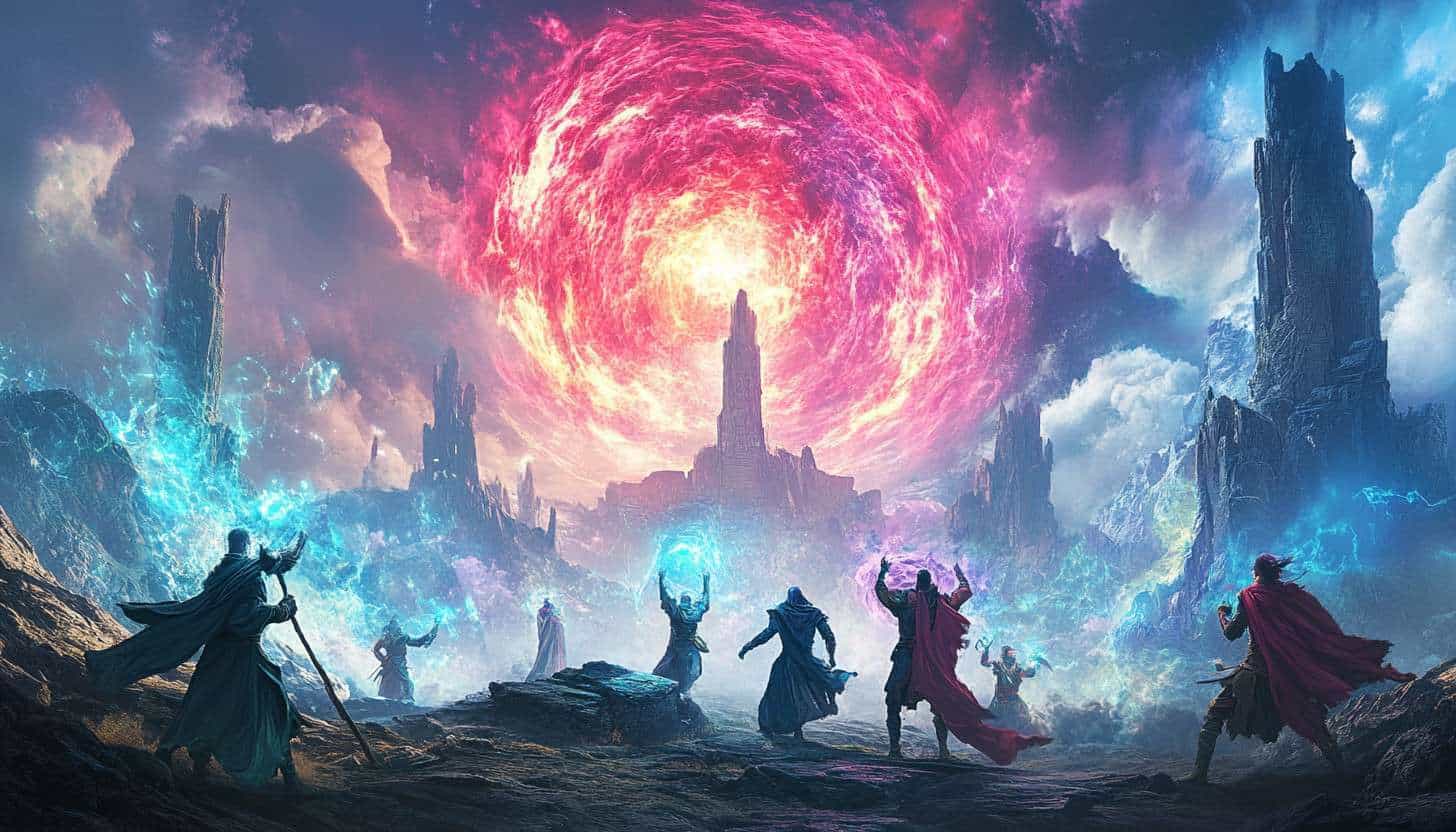
Visual storytelling in games is a powerful tool that shapes player experiences. Through carefully crafted narratives and list of AI tools websites, developers can create immersive worlds that captivate and engage players. The importance of visual storytelling in games cannot be overstated.
It enhances game design by weaving together art direction, character development, and environmental cues to deliver a cohesive experience.
This article will explore the secrets behind visual storytelling in games and reveal how it can elevate your projects to new heights. With the rise of AI artwork generator capabilities, game developers now have even more resources to enhance their visual storytelling techniques.
The Role of Art Direction
Art direction plays a crucial role in visual storytelling in games. It sets the tone and mood, shaping the player’s emotional experience. A well-crafted art direction can transport players into a different world, making them feel part of the narrative.

For instance, the game “Celeste” utilizes pixel art to convey its themes of struggle and perseverance. The vibrant colors contrast with the emotional depth of the story, enhancing the visual storytelling in games. Similarly, “Gris” employs a watercolor art style that evolves with the protagonist’s journey, showcasing how art direction can intertwine with character design to evoke strong feelings.
Balancing gameplay mechanics with visual storytelling in games is essential for an immersive experience. While mechanics drive player engagement, art direction enhances the narrative. Games like “Journey” exemplify this balance by using stunning landscapes and minimalist design to create a powerful atmosphere without overwhelming the gameplay.
Art direction is not just about aesthetics; it is integral to effective visual storytelling in games. By carefully considering color theory and digital art advantages, developers can create a cohesive experience that resonates with players. This synergy between art direction and gameplay makes for memorable gaming experiences that leave a lasting impact.
Color Palettes and Their Impact
Color is a powerful tool in visual storytelling. It can evoke emotions and set the mood for an entire game. By understanding the psychological effects of color, developers can enhance player engagement through effective narrative techniques.
For instance, games like “Journey” utilize warm colors to create feelings of hope and wonder. In contrast, “Limbo” employs a monochromatic palette to evoke a sense of despair and isolation. These case studies highlight how color schemes can significantly influence the player’s emotional journey within the game’s narrative.
When selecting a color palette, consider the story you want to tell and the emotional impact of colors. Warm colors like reds and yellows can evoke excitement, while cooler tones such as blues and greens often create calmness. A well-chosen color palette can reinforce narrative techniques, making the storyline more impactful and immersive for players, especially when enhanced with machine learning visuals that can analyze emotional responses.
Character Design as a Narrative Tool
Character design plays a crucial role in visual storytelling in games. It serves as a bridge between the player and the narrative, allowing players to connect with characters on a deeper level. When designed effectively, characters can evoke emotions and create immersive experiences that resonate long after the game is over.

The appearance of a character significantly influences player empathy. For instance, a character with distinctive features or an expressive design can quickly communicate their personality and background. This visual storytelling in games helps players form emotional bonds, making them more invested in the character’s journey and outcomes.
Memorable character designs often tell their own stories without the need for words. Consider the character of Aloy from “Horizon Zero Dawn.” Her unique look, combined with her fierce determination, immediately conveys her strength and resilience. Similarly, characters like GLaDOS from “Portal” use their design to enhance the narrative through their unsettling yet intriguing presence, a technique further refined through artificial intelligence visual effects in animation.
Incorporating thoughtful character design into visual storytelling in games can elevate the overall experience. It allows players to relate to characters on a personal level, deepening their emotional impact. As developers continue to explore character design, they should remember its power as a narrative tool to create richer, more engaging stories, with some even turning to comic strip generator tools for initial character concept visualization.
Environmental Storytelling
Environmental storytelling is a powerful tool in games. It uses the surroundings to convey narrative elements without relying on dialogue. Game aesthetics play a crucial role here, as the visuals can evoke emotions and set the stage for the story.
Techniques for creating immersive worlds often involve thoughtful design choices. For example, scattered objects and detailed environments can reveal a character’s past or the history of a place. In “The Last of Us,” players discover the story through abandoned homes and overgrown streets, enhanced through automated graphic design tools that help create consistent environmental details.
The interplay between setting and character development is vital for a cohesive narrative. A well-designed environment can reflect a character’s journey or emotional state. In “Firewatch,” the natural landscape mirrors the protagonist’s isolation and inner turmoil, deepening the player’s connection to the story.
Ultimately, environmental storytelling enriches the gaming experience. It invites players to explore and engage with the world around them. By carefully crafting environments, developers can create layers of meaning that enhance both gameplay and narrative depth.
Animation and Movement
Animation plays a crucial role in visual storytelling in games. It is not just about making characters move; it is about conveying emotions and intentions. A well-animated character can express joy, sorrow, or anger through subtle movements and facial expressions, enhancing the player’s emotional connection to the story.

Different styles of animation also have unique narrative implications. For instance, a hand-drawn style can evoke nostalgia and charm, as seen in games like “Cuphead.”
In contrast, 3D realism may create a sense of immersion, allowing players to feel as if they are part of a living world, as demonstrated in titles like “The Last of Us Part II” and increasingly supported by artificial intelligence in animation technologies.
Each animation style contributes differently to the overall narrative experience.
Movement within gameplay further enhances visual storytelling in games. Characters that move fluidly can make players feel more engaged with the environment. For example, the dynamic movements of characters in “Ghost of Tsushima” not only showcase skill but also reflect the story’s themes of honor and sacrifice, drawing players deeper into the narrative.
Incorporating animation thoughtfully allows developers to elevate their storytelling. By focusing on how characters and environments move, designers can create powerful moments that resonate with players. Ultimately, effective animation helps to weave a richer tapestry of visual storytelling in games, making each experience unforgettable.
Integrating Visual Storytelling with Gameplay Mechanics
Visual storytelling in games is deeply intertwined with gameplay mechanics. The relationship between story and player agency shapes the overall experience. When players feel they can influence the story, their emotional investment increases significantly.
Consider “The Last of Us,” where visual storytelling is seamlessly integrated with gameplay. Players navigate through a post-apocalyptic world, and every action they take reinforces the narrative. The environment, character interactions, and even the game’s pacing all contribute to a rich storytelling experience that keeps players engaged.
Another great example is “Journey,” which uses visuals and gameplay mechanics to convey emotions without dialogue. The player’s exploration of a vast desert is mirrored in the game’s art style and mechanics. This synergy creates a profound sense of connection and encourages players to immerse themselves in the story.
To harmonize narrative and mechanics effectively, developers should focus on consistency. Ensure that gameplay actions reflect the story being told. Additionally, testing player responses can provide valuable insights into how well the visual storytelling resonates with the audience, with some studios leveraging generative art platforms to quickly prototype visual narrative elements.
The Future of Visual Storytelling in Games
Emerging technologies are set to transform visual storytelling in games. Innovations like virtual reality (VR) and augmented reality (AR) allow for more immersive experiences. These technologies create dynamic environments where players can interact with narratives in unprecedented ways.

As developers embrace these tools, we can expect trends that prioritize player agency in storytelling. For instance, branching narratives that adapt based on player choices will likely become more prevalent. This evolution will allow for deeper engagement and personalized experiences within the realm of visual storytelling in games.
Player feedback will play a crucial role in shaping the future of visual storytelling in games. Developers are increasingly relying on community input to refine their narratives and visual styles. By listening to players, creators can craft stories that resonate more deeply and create lasting emotional connections.
The future of visual storytelling in games looks promising with technological advancements and player involvement. As the industry evolves, we may witness a blend of narrative techniques that enrich gameplay. This shift will ultimately enhance the way stories are told and experienced in the gaming world.
In Summary
Visual storytelling in games is essential for creating engaging experiences. It helps players connect with the narrative and enhances their overall enjoyment. By focusing on visual storytelling in games, developers can create richer worlds and deeper characters.
We encourage developers to experiment with various visual techniques to elevate their storytelling. Embracing creativity can lead to innovative approaches that captivate players. Ultimately, effective visual storytelling in games fosters a stronger emotional connection, making gaming a more immersive experience.;
Related Articles

Industrial AI: Applications, Benefits, and Real-World Challenges Explained
Imagine a production line that pauses for maintenance before a motor fails—not after sparks fly and orders pile up. That is industrial AI in action: using ma…
Read more
Best AI Code Generator: How to Choose One for Your Workflow
The best ai code generator is not the tool with the flashiest demo. It is the one that helps you launch a website, automate a business process, build a proto…
Read more
Actively AI: Features, Use Cases, and Who Should Use It
“Actively AI” can mean two different things: a specific AI product called Actively AI, or the broader habit of actively using AI in daily work. This articleR…
Read more