
Why Artists Love a Lossless Image Optimizer
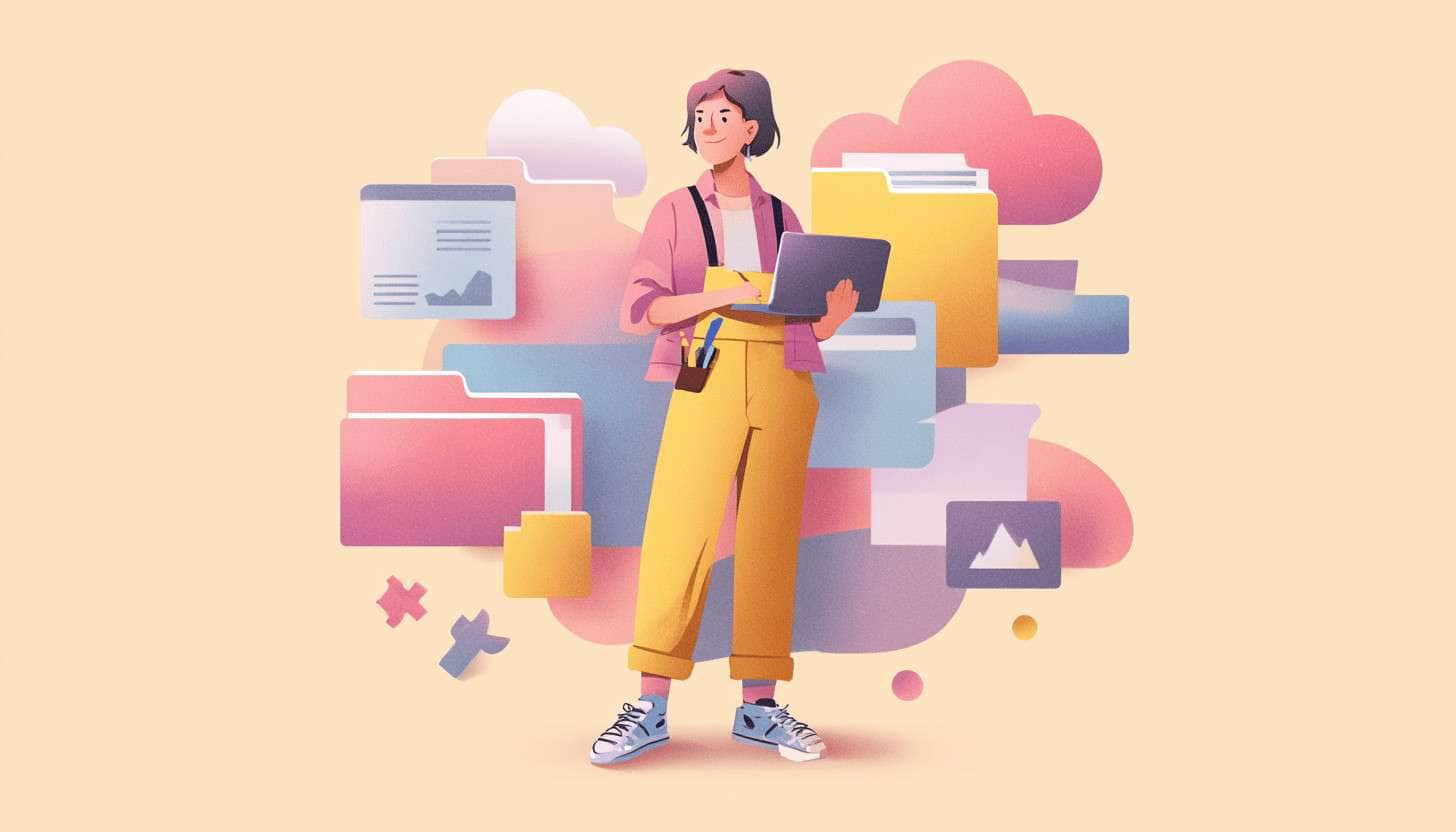
In the digital age, visuals are more important than ever. A lossless image optimizer can significantly enhance your art while maintaining the integrity of your original work. For photographers and designers, image optimization is not just a technique; it’s a necessary practice.
By using a lossless image optimizer, creators can achieve remarkable performance enhancement while keeping every detail intact. This technology bridges the gap between quality and efficiency. Artificial Intelligence in Graphic Design is also revolutionizing how we approach image optimization.
What is a Lossless Image Optimizer?
A lossless image optimizer is a tool that compresses images without sacrificing their quality. Unlike lossy optimization, which removes some data to reduce file size, lossless optimization retains every detail of your image. This means that when you use a lossless image optimizer, your visual quality remains intact.
For photographers and designers, maintaining image sharpness is crucial, especially when showcasing intricate details. When comparing lossless and lossy image optimizers, the differences become clear. Lossy optimizers can lead to pixelation and blurred edges, especially when images are zoomed in or printed.
In contrast, lossless optimizers allow for significant compression while preserving fidelity, making them ideal for high-resolution photography. Common tools in the market include software like PNGGauntlet and ImageOptim, which allow users to quickly optimize images without impacting their quality. Automated Graphic Design tools are increasingly incorporating these optimization features.
In practical terms, a lossless image optimizer works by reducing file size through algorithms that eliminate unnecessary data. While the image appears unchanged to the naked eye, the file size is decreased. This reduction can greatly enhance the efficiency of storage and loading times on websites.
With the right tool, artists can ensure their work is both size-efficient and visually stunning, essential for maintaining a professional portfolio and online presence. Utilizing these optimizers can elevate your projects, helping you focus on your creative vision. Whether you’re a photographer eager to showcase your latest shots or a designer perfecting a new layout, a lossless image optimizer is invaluable.
The Role of Lossless Image Optimization in Photography
Lossless image optimization plays a crucial role in photography by enhancing the quality of images without sacrificing any detail. Photographers often capture stunning shots that deserve to be displayed in their full glory. By using lossless image optimizers, they can ensure that the nuance in their images remains intact while reducing file sizes significantly.
This optimization not only preserves quality but also improves storage efficiency. Photographers can save space on their devices without compromising the integrity of their work. For instance, a high-resolution image that is 10 MB can often be reduced to 3 MB or less with lossless optimization, making it easier to store and share.
This capability allows photographers to manage large collections of images more effectively, facilitating easier archiving and retrieval. The Art of AI: Machine Learning for Artists explores how AI enhances creative workflows. Several case studies highlight the effectiveness of lossless optimization in photography.
For example, a professional landscape photographer noticed a marked difference when she switched from unoptimized images to optimized ones. The optimized images loaded faster on her website, leading to increased viewer engagement and higher sales of prints. This demonstrates that the benefits of lossless optimization go beyond mere storage, impacting the overall presentation and accessibility of photographic work.
In comparing optimized versus unoptimized images, the distinction can be striking. Unoptimized images may take longer to load, detracting from a viewer’s experience. In contrast, optimized images retain their rich colors and intricate details while providing a seamless viewing experience.
Optimizing Artwork for Digital Presentation
For digital artists, optimizing artwork is essential for showcasing their work effectively. Techniques tailored for digital presentation include adjusting image resolution while retaining sharpness. Additionally, using lossless image optimizers can lead to significant file size reduction without compromising quality.
This allows artists to manage their portfolios more effectively and share their work with ease. Maintaining color accuracy is crucial for digital artwork. Lossless optimization preserves the integrity of colors, ensuring that the artwork appears vibrant across various devices.
Tools like Adobe Photoshop and TinyPNG offer features that help artists verify color profiles during the optimization process. This ensures the final output remains true to the artist’s vision and the colors pop as intended. Explore more creative tools in our directory of AI tools.
Before-and-after comparisons make the benefits of optimization clear. For example, an illustration that starts at 8 MB can be reduced to under 2 MB without any visible loss in detail. Artists can see how smoother edges and improved loading times enhance the user experience.
Creative solutions like these not only streamline the presentation but also facilitate easier sharing on platforms like Behance or social media. By prioritizing lossless optimization, digital artists can amplify their presence. The blend of quality and efficiency ensures that their artistic expression is not diluted.
Performance in Web Development
In web development, image optimization is crucial for creating effective websites. High-quality images can enhance visual appeal, but they often come with large file sizes. Using a lossless image optimizer allows web developers to maintain image quality while significantly reducing file size.
This balance contributes to a smoother user experience. Load speed is essential for both search engine optimization (SEO) and user engagement. Websites that load quickly are favored in search rankings.
Additionally, users are more likely to stay on a site that performs efficiently. A study by Google showed that a one-second delay in load time can reduce conversions by up to 20%. By incorporating lossless image optimization, developers ensure that images contribute positively to overall performance.
Many successful websites have made lossless optimization a key part of their development strategy. For instance, e-commerce sites like Amazon optimize their product images to load quickly while keeping them crisp and clear. This strategy not only enhances the shopping experience but also leads to increased sales.
Such examples highlight the importance of prioritizing image performance in web design. Optimizing images with a lossless image optimizer is vital for all web developers. It enhances website performance and plays a significant role in attracting and retaining users.
The Balance of Aesthetics and Functionality
Striking the right balance between aesthetics and functionality is crucial in digital art and photography. Quality images are essential for making a strong visual impact, but they must also load quickly online. A lossless image optimizer can help achieve this balance by enhancing image quality without compromising performance.
This ensures that the beauty of the artwork shines through while also meeting technical requirements. Many seasoned professionals have embraced lossless optimization to create stunning results. For example, a web designer might use optimized images to enhance website performance while maintaining vibrant colors and sharp details.
Illustrators often rely on lossless techniques to ensure their artwork retains its intended look when displayed digitally. These professionals show that it is possible to achieve high quality without sacrificing load speed or user experience. To maintain artistic integrity while optimizing images, consider several key tips.
First, always preview your images after optimization to ensure colors and details remain intact. Second, focus on maintaining the original aspect ratio to avoid distortion. This simple practice ensures that your artwork retains its intended visual impact, balancing both aesthetics and functionality effectively.
Finding the sweet spot between quality and performance is essential for digital creatives. With the right tools and techniques, it is possible to optimize images while preserving their artistic essence. By following the best practices used by industry professionals, you can enhance your work’s appeal and functionality, making a lasting impression on your audience.
Future Trends in Image Optimization Technology
The world of image optimization is continually evolving. Emerging tools are making strides in enhancing the efficiency of lossless image optimizers. These advancements will allow photographers and digital artists to achieve quality results more easily.
Software that integrates machine learning is already showing promise by automating tedious tasks, making the optimization process faster and more user-friendly. AI integration stands out as a game-changer in image optimization. Predictive algorithms can analyze images and make real-time adjustments, ensuring that the final products retain all essential details.
For example, tools that use AI can automatically identify areas that need compression without loss of visual fidelity. This means artists can spend less time tweaking settings and more time on creative expression. The future landscape of digital art and photography will likely see a greater emphasis on collaborative tools that incorporate lossless image optimization.
Cloud-based platforms are on the rise, enabling teams to work simultaneously on projects while ensuring images are perfectly optimized. Such environments will not only foster creativity but will also enhance the overall workflow for graphic designers and photographers alike. As technology continues to advance, the focus will shift towards optimizing images for new media.
Virtual reality (VR) and augmented reality (AR) are gaining traction, requiring high-quality images that load quickly. The future holds exciting possibilities, where lossless image optimizers will adapt to these new formats, ensuring artists maintain their vision while enhancing user experience. This synergy between art and technology will further redefine the creative landscape.
In Summary
Using a lossless image optimizer can greatly transform your art. This tool enhances image quality while conserving valuable storage space, allowing you to present your work in the best light. Adopting these optimization practices will lead to improved artistic outcomes.
Embracing the synergy of art and technology is key to maximizing your creative potential. Start optimizing today to see the difference in your digital presence. Your audience deserves to experience your work at its absolute best.
Related Articles
Unlock Your Creativity: Top AI-Powered Design Tools for Marketers
In a world where attention spans are shorter than a TikTok video, the need for creativity in marketing and design is more crucial than ever. Enter AI-powered…
Read more
Create a Flyer with AI: Step-by-Step Guide for Marketers
Creating a flyer with AI has become a game-changer for marketers and business owners alike. Imagine having a design assistant that never tires, always knows …
Read more
Are Your Animated Graphics for Social Media Working?
Animated graphics can transform your social media performance. Learn how to use them effectively to increase engagement, visibility, and impact.
Read more